
Last updated November 15, 2026
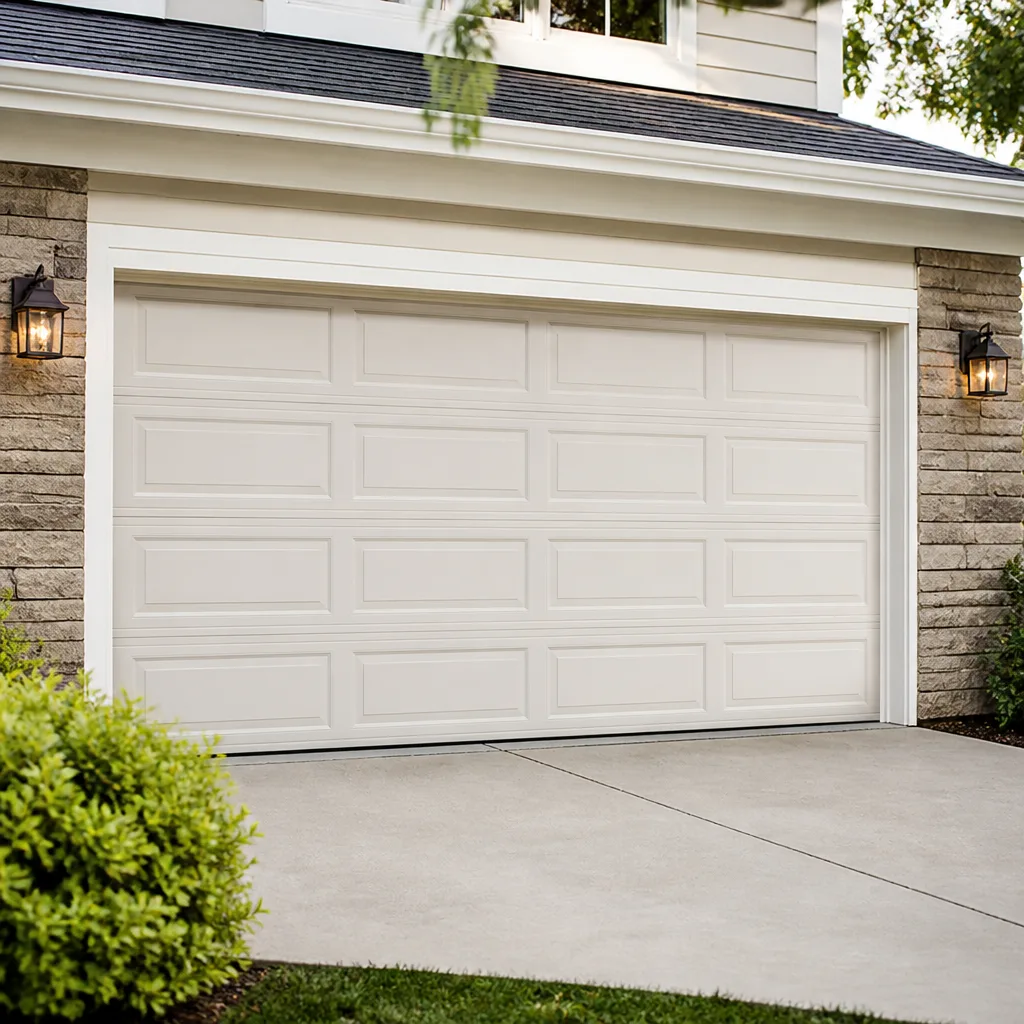 Raised-panel steel
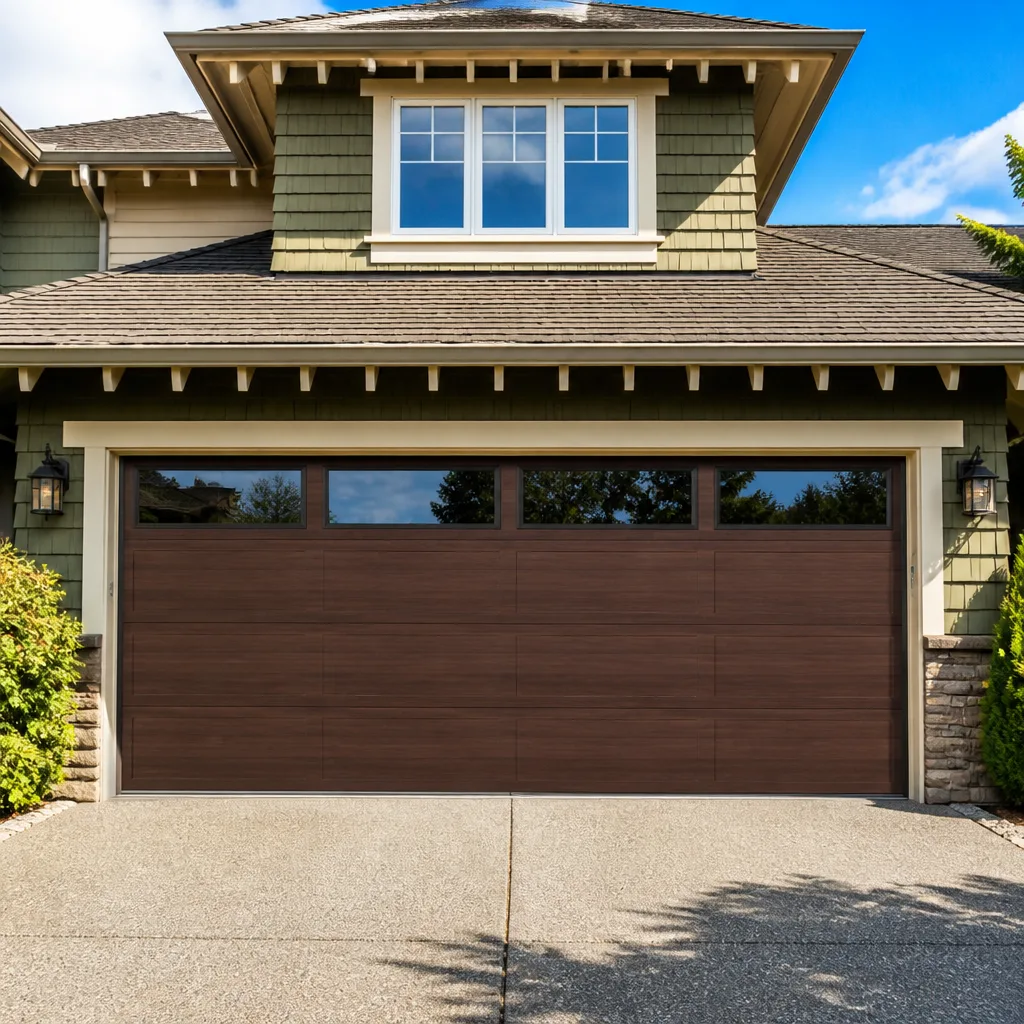
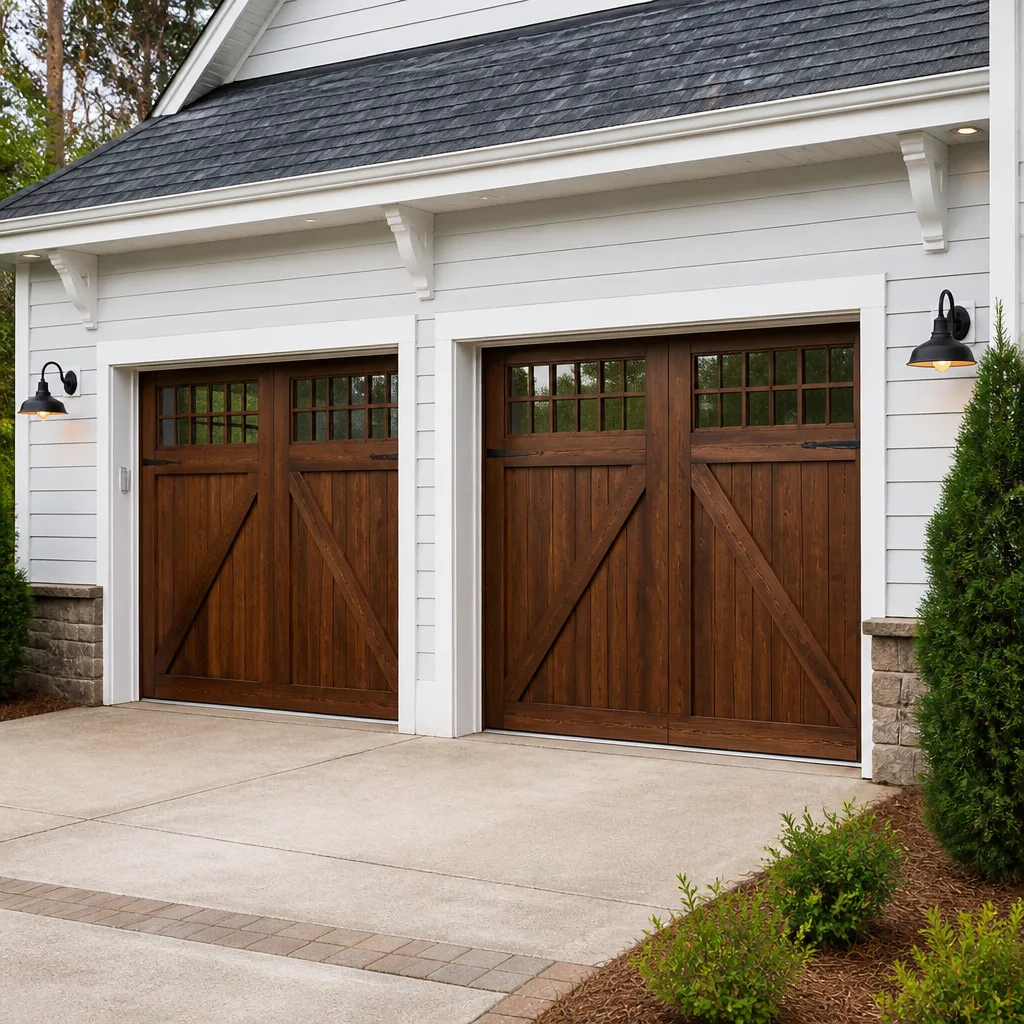 Carriage house
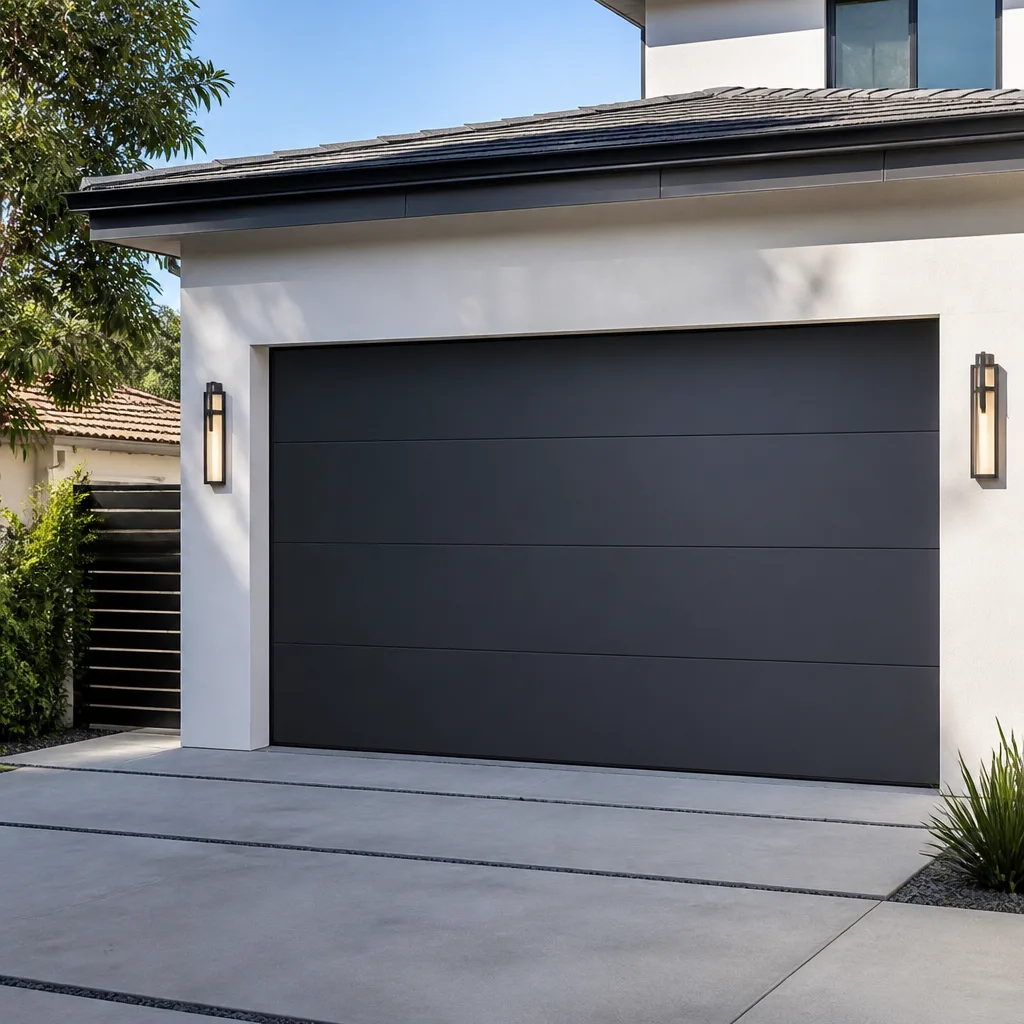 Modern flush
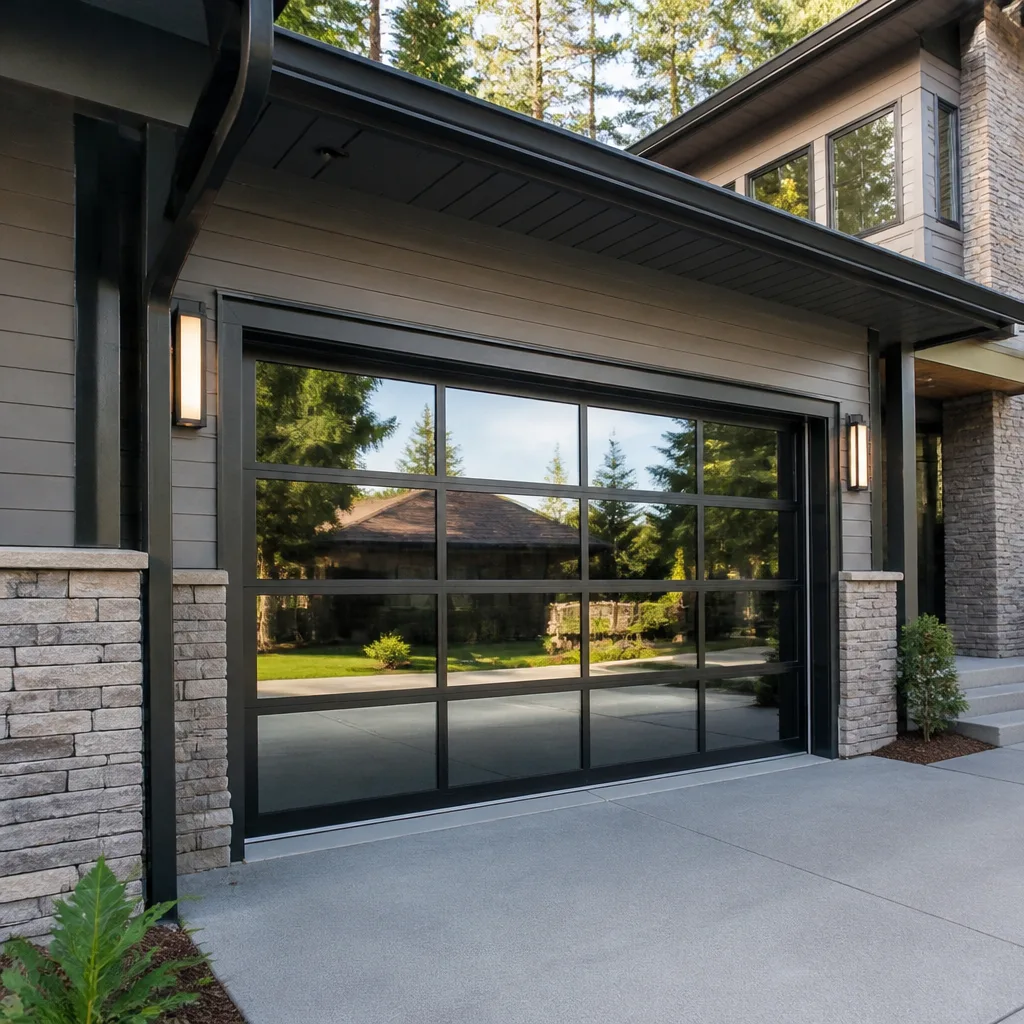 Full-view glass
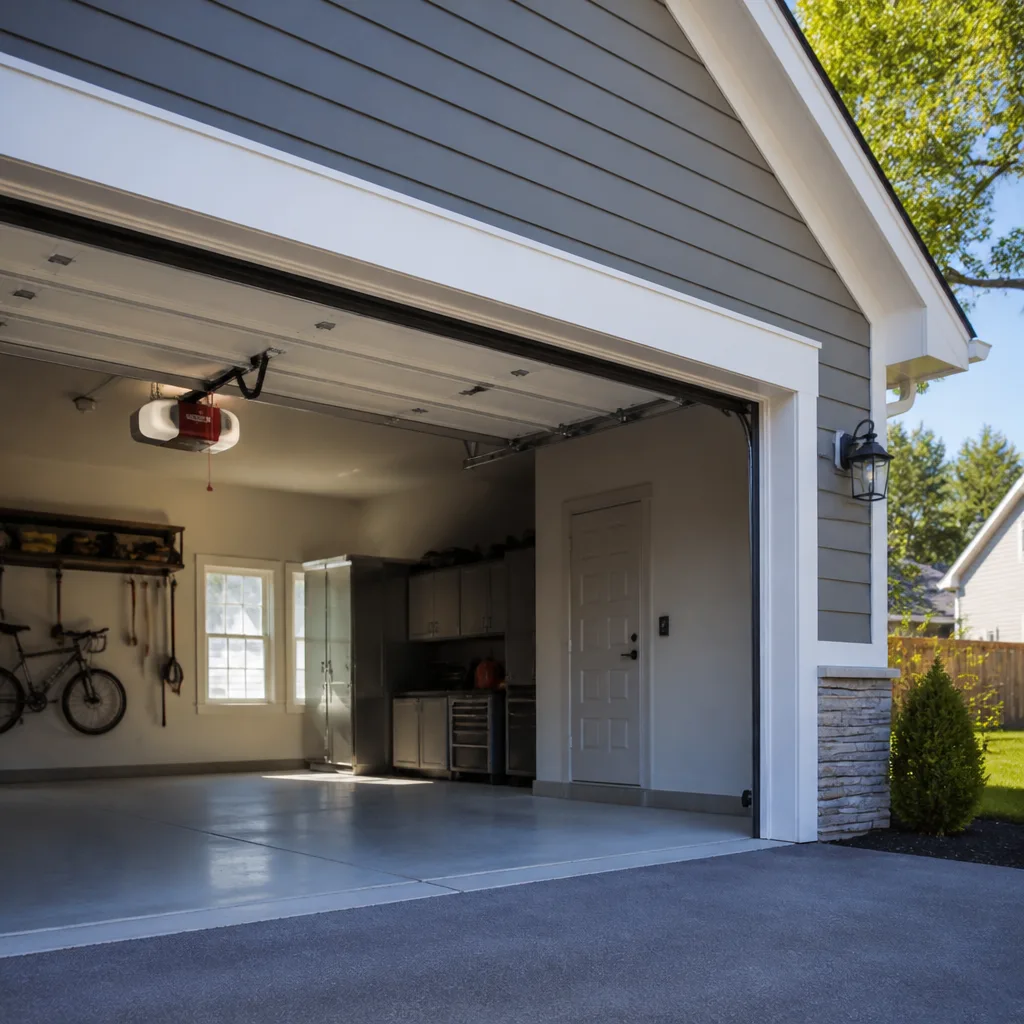 LiftMaster openers
 Chamberlain openers
Full 25-point door and opener safety check with every visit - springs, cables, rollers, tracks, and your LiftMaster or Chamberlain opener included
You get a price before we start. It does not change when the pro arrives.
Get your free estimateGarage Door Repair Troubleshooting in Tucson: Common Problems and How to Fix Them
Here’s the thing most troubleshooting guides get wrong: a garage door that reverses before it closes has at least six different causes, and guessing at the wrong one is the single most common reason a “fixed” door breaks again within a week. The symptom tells you almost nothing on its own. The pattern behind the symptom tells you everything. That’s what this guide is built around. We’re going to teach you a diagnostic framework that sorts almost every Tucson garage door failure into five patterns – mechanical, electrical, sensor, opener logic, and structural – so you can walk out to your garage, watch how the door behaves for ten minutes, and know whether you’re looking at a twelve-dollar part or a technician’s visit. Firstline has spent years working on the brands homeowners actually own here, and the logic below is the same one our technicians use on the first walk-around.
Quick Answer
Garage door problems fall into five failure patterns – mechanical, electrical, sensor, opener logic, and structural – and identifying which pattern you have is what determines the right fix. Tucson’s extreme summer heat warps bottom seals, drifts photo-eyes, and stresses opener logic boards, which means the same symptom here often points to a different cause than it would in a cooler climate. Most safe homeowner checks (photo-eye alignment, manual release, visual spring inspection) take under ten minutes; anything involving springs, cables, or the opener’s internal wiring needs a trained technician.
Styles & brands we work with
- Raised-panel steel
- Carriage house
- Modern flush
- Full-view glass
- LiftMaster openers
- Chamberlain openers
Table of Contents
- The Five Failure Patterns: A Diagnostic Framework
- How Tucson Heat and Monsoon Humidity Break Garage Doors
- Safe Checks You Can Do Yourself (and Where DIY Stops)
- Reading Your Opener’s Error Codes: LiftMaster, Chamberlain, and Genie
- Pattern-by-Pattern Troubleshooting
- What Garage Door Repairs Cost in Tucson
- Decision Tree: Repair or Replace?
- When to Call a Professional
The Five Failure Patterns: A Diagnostic Framework
Most troubleshooting advice is a flat list of symptoms, and flat lists fail because symptoms overlap. Instead, sort the problem into one of five patterns. The pattern tells you where to look and, more importantly, where not to waste time.
Mechanical: The door itself binds, jerks, sags, or won’t move evenly. Springs, cables, rollers, hinges, and tracks live here. You’ll notice the opener might be running fine but the door fights it, or the door is visibly crooked or off its track.
Electrical: Power isn’t reaching the opener. Dead outlet, tripped breaker, a safety reverse that freezes the unit, or a wall control that’s gone silent. The door doesn’t move at all, but there’s no mechanical resistance either.
Sensor: The door opens fine but refuses to close, or closes partway and reverses. The photo-eye safety system at the bottom of the tracks thinks something is in the way. This is the most common pattern and the most misdiagnosed.
Opener logic: The motor runs but the door doesn’t travel, travel limits are off, force settings are tripping, or the unit beeps and flashes a code. The opener’s brain is refusing to complete the cycle for a reason it’s trying to tell you.
Structural: The door opening itself is out of square, the header or jamb has moved, or a panel has warped enough that the door can no longer track cleanly. In Tucson, heat-driven panel warping makes this pattern more common than homeowners expect.
Here’s the ten-minute diagnostic any homeowner can run. Go out, clear the area, and:
- Watch the full open-and-close cycle once. Note exactly where it hesitates, reverses, or stops.
- Look at the photo-eyes at the bottom of each track. Are both lit solid? If one is dark or flickering, you have a sensor pattern.
- Pull the manual release to disengage the opener, then lift the door by hand. It should lift with one hand’s pressure and stay put halfway. If it’s heavy, binds, or drops, you have a mechanical pattern.
- Check the wall control and any remote. If the opener is silent and the door moves fine by hand, you have an electrical or logic pattern.
- Look at the door panels and tracks. If the door is warped, sagging, or visibly out of the tracks, you have a structural or mechanical pattern.
Once you’ve sorted the pattern, the rest of this guide narrows to the specific cause. That’s the whole trick, and it’s the same first step our garage door repair technicians take on-site.
How Tucson Heat and Monsoon Humidity Break Garage Doors
Tucson doesn’t break garage doors the way colder climates do, and that changes the diagnosis. Where a northern guide would point you toward freeze-thaw damage, we point you toward heat and humidity. Those are the two forces doing most of the work here.
Extreme summer heat is the biggest driver. Months of triple-digit temperatures cause two specific failures:
- Bottom seal warping: The rubber or vinyl bottom seal contracts and warps, which stretches the door’s travel slightly and can cause false closures or a gap at the floor. A warped seal also occasionally nudges a door enough to drift a photo-eye out of line.
- Photo-eye drift: The sun angle and heat expansion can shift the alignment of the safety sensors just enough to break the beam. A door that worked all winter suddenly reverses on close every afternoon. That’s the sun hitting a slightly drifted sensor, and it’s one of the most common patterns in Tucson garages.
Monsoon humidity hits wood-framed doors and door openings harder than most people expect. Wood sections swell and warp during the humid weeks, which is why we see more binding doors and more structural-pattern calls in monsoon season than in the dry months. If you own a wood or composite door from Tucson‘s common brands like Clopay or Amarr, watch for doors that stick and then loosen as the season changes – that’s swelling, not a failing opener.
We don’t see hail as a routine problem in Tucson, but storm and impact damage does happen, and it’s worth knowing that a single dent in a steel panel rarely needs a full door replacement. The point is this: when you troubleshoot here, check the heat and humidity effects first. They account for more Tucson garage door failures than any other cause.
Safe Checks You Can Do Yourself (and Where DIY Stops)
Some garage door troubleshooting is genuinely safe for a homeowner. A lot of it isn’t. The line is clear, and it’s worth knowing it before you touch anything.
Safe, no-tools-needed checks:
- Photo-eye alignment: Look at both sensors. If the LED is dim or off, gently wipe the lens and check that each sensor points squarely at the other. Small alignment nudges are safe.
- Manual release test: Pull the red release handle to disengage the opener, then test the door’s balance by hand. This tells you whether the problem is mechanical or in the opener.
- Visual spring inspection: Look at the springs above the door. A visible gap in a torsion spring or a stretched extension spring tells you the spring has failed. Looking is safe; replacing is not.
- Wall control and remote check: Confirm the opener responds to the wall switch. If the switch works and the remote doesn’t, you’re looking at a remote or logic-board issue, not a dead opener.
- Breaker check: Confirm the garage circuit breaker hasn’t tripped. This is a safe, five-second check and it resolves more “dead opener” calls than any other single step.
Where DIY genuinely stops: The high-tension springs and cables above and beside your door are under enormous load, and both are dangerous to handle without the right tools and training. Never attempt to adjust, remove, or replace a torsion or extension spring yourself, and never try to re-seat a cable that has come off its drum. An opener’s internal wiring and its travel/force limit settings are also best left to a technician, since an incorrect setting can force the door against an obstruction. If your diagnosis lands on springs, cables, or opener internals, that’s the point to stop and call. Everything above it, you can do safely.
Reading Your Opener’s Error Codes: LiftMaster, Chamberlain, and Genie
Most troubleshooting guides skip opener error codes entirely, which is a mistake because the diagnostics are sitting right in front of you. If your opener is beeping, flashing, or refusing to respond, it’s usually trying to tell you exactly what’s wrong.
LiftMaster and Chamberlain share much of their logic and their code conventions, so a code you see on one often matches the other. Common patterns:
- Rapid flashing on the opener’s LED with the door not moving: Usually a sensor or safety-reverse problem. Check the photo-eyes before anything else.
- A single long beep and a brief flash: Often a battery issue in the wall control or a communication fault. Swap the wall control batteries and retry.
- Door reverses after hitting something: Force-limit setting is tripping. This is a logic issue and points to either a misadjusted limit or an obstruction in the track.
Genie uses a different code language, and the codes are often printed on the back of the opener housing or the wall console. If you can read the code, you can read the fix: Genie consoles typically use a small number of short and long flashes to distinguish sensor faults from logic faults. The short version: a code that repeats in a tight pattern usually points to sensors, and a code that fires once and stops usually points to logic or power.
Our advice is straightforward: before you call anyone, look at the opener housing for the code sticker. When you call Firstline for garage door opener repair, telling the technician the exact code and brand saves a step on the diagnostic and gets you a faster, more accurate estimate. We work on LiftMaster, Chamberlain, Genie, and Craftsman units every week, so we can read the code and know what it means.
Pattern-by-Pattern Troubleshooting
Now that you’ve identified your pattern, here’s the specific troubleshooting inside each one, and which steps are safe.
Sensor Pattern: Door Reverses or Won’t Close
Sensor problems are the most common and the most fixable. Check the photo-eyes first. If one is dark, wipe the lens and check for debris or a spider web between them – that’s a safe fix. If the sensors are clean and lit but the door still won’t close, check that nothing is sitting in the door’s path and that both sensors are aimed directly at each other. In Tucson, sun and heat can drift the alignment just enough to break the beam, so check this at the time of day the problem happens, not at night. If the alignment holds and the door still reverses, the sensor itself has failed and needs replacement. A sensor replacement is a quick technician job, and the price is quoted before any work begins.
Mechanical Pattern: Door Binds, Jerks, or Won’t Lift
The manual release test is your diagnostic here. If the door is heavy by hand or binds, the problem is in the springs, rollers, hinges, or tracks, not the opener. Look for visible spring gaps (a failed spring), a cable that’s come off its drum, or a track that’s been bent or pushed out of line. Safe DIY: replace a worn bottom seal, tighten loose hinges, and keep tracks clean and dry. Unsafe DIY: springs, cables, and re-bending tracks that are under load. Those need a technician. A door that binds intermittently and frees up later is usually a swelling wood door in monsoon season, which is a structural-pattern warning sign, not an opener issue.
Electrical Pattern: Opener Completely Dead
If the opener is silent and the door moves freely by hand, you have an electrical problem. Check the breaker first, then confirm the outlet the opener is plugged into actually has power. Check that the safety-reverse hasn’t frozen the unit: try the wall control and the remote both. If one works and the other doesn’t, it’s a remote or logic-board issue, not a dead motor. If the breaker keeps tripping, don’t keep resetting it – that’s a wiring fault that needs a technician to diagnose.
Opener Logic Pattern: Motor Runs, Door Doesn’t Move
When the motor hums but the door doesn’t travel, the opener has a logic or limit-setting problem. Travel limits and force settings are the likely culprits. These settings are not safe to adjust blindly, because a too-aggressive force setting can drive the door against an obstruction. If the opener is beeping or flashing, read the code using the section above. If it’s silent but stuck, a technician can check the limit switches and the logic board. This is a repair-first pattern; a stuck opener is usually fixable without replacing the unit.
Structural Pattern: Warped Panels or Out-of-Square Opening
Structural issues are the hardest to self-diagnose and the most likely to call for replacement. If a door panel is visibly warped from heat, the door may no longer track cleanly. If the opening itself is out of square (you can check with a level along the jambs), no amount of opener adjustment will fix it. In Tucson, heat-driven warping of steel panels is the structural issue we see most, and it’s why panels, not openers, fail first on a sun-baked door. A technician can tell you whether a panel or hinge replacement will restore clean tracking or whether the door needs replacing.
What Garage Door Repairs Cost in Tucson
Repair costs depend on the pattern and the part, not the symptom. Here’s a realistic look at the ranges homeowners ask about, and remember: the written estimate you receive is the final price. Nothing starts until you’ve agreed to it.
| Repair | Typical estimated range |
|---|---|
| Photo-eye sensor replacement | Modest, quick job |
| Roller / hinge replacement | Modest, routine maintenance-range |
| Bottom seal replacement | Low-cost, quick job |
| Single torsion spring replacement | A few hundred dollars |
| Matched pair of torsion springs | About twice the single-spring price |
| Opener logic board or motor repair | Mid-range, varies by brand |
| Full opener replacement | Higher, scheduled work |
A few things to be clear about. A spring price is for one spring; a matched pair is usually replaced together, so it costs roughly twice the single-spring figure. A sensor replacement is the cheapest fix in the table and the one most Tucson homeowners need. A full opener replacement is scheduled work – a technician measures, orders, and comes back – so it’s not a same-day repair. For anything involving springs, the price is set by the estimate before work starts, and we don’t quote a number we won’t honor. Firstline’s technicians have up to 15 years of experience, and we’ll tell you plainly whether a repair is worth it.
Decision Tree: Repair or Replace?
This is the question every homeowner eventually asks, and it’s usually about money, not preference. Here’s the decision tree we walk through:
- Safe-to-fix alone? If your pattern is a sensor, seal, or hinge, repair is almost always the answer. It’s cheap and fast.
- Mechanical pattern? If it’s a spring or cable, repair is the right move unless the door’s hardware is already failing across the board. One bad spring is a repair, not a replacement.
- Opener logic pattern? If the opener is stuck or the board is failing, repair is often cheaper than replacement – but if the unit is old builder-grade (Craftsman units are common in Tucson homes) and repair costs approach replacement, replacement is the better value.
- Structural pattern? If the door is warped, sagging, or the opening is out of square, replacement usually makes more financial sense than chasing repeated repairs.
- Brand matters less than condition. We install and service Clopay, Amarr, Wayne Dalton, and Raynor doors, and we work on LiftMaster, Chamberlain, Genie, and Craftsman openers – but the decision is about the door’s condition, not the label.
If you’re unsure which branch you’re on, call for a free estimate. We’ll tell you whether you need a fix or a replacement, and we won’t push you toward the replacement you don’t need.
Common Mistakes to Avoid
- Treating the symptom, not the pattern. Trimming a door that reverses without checking the sensors is the classic mistake – you’ll be back at the same symptom within a week because the real pattern was never diagnosed.
- Adjusting force limits to make the door close. Cranking up the force setting can force a door against an obstruction. That’s a safety issue, not a fix.
- Ignoring the sun angle. In Tucson, a door that only reverses in the afternoon is usually a sun-drifted photo-eye, not a failing opener. Test it at the time of day the problem occurs.
- DIY on springs. Springs are under high tension and cause serious injury when handled without the right tools. This is the one mistake we see homeowners make that has real consequences.
- Skipping the manual release test. It’s the fastest way to separate a mechanical problem from an opener problem, and skipping it means you might buy an opener when the door just needed a spring.
- Replacing a door over a warped panel. Warping from heat is common in Tucson, but it doesn’t always mean the whole door is done. Ask a technician to evaluate the panels and hinges before you replace.
- Not reading the error code. The code is the diagnosis. Ignoring it means paying for a technician to read the same sticker on the opener housing.
See the difference
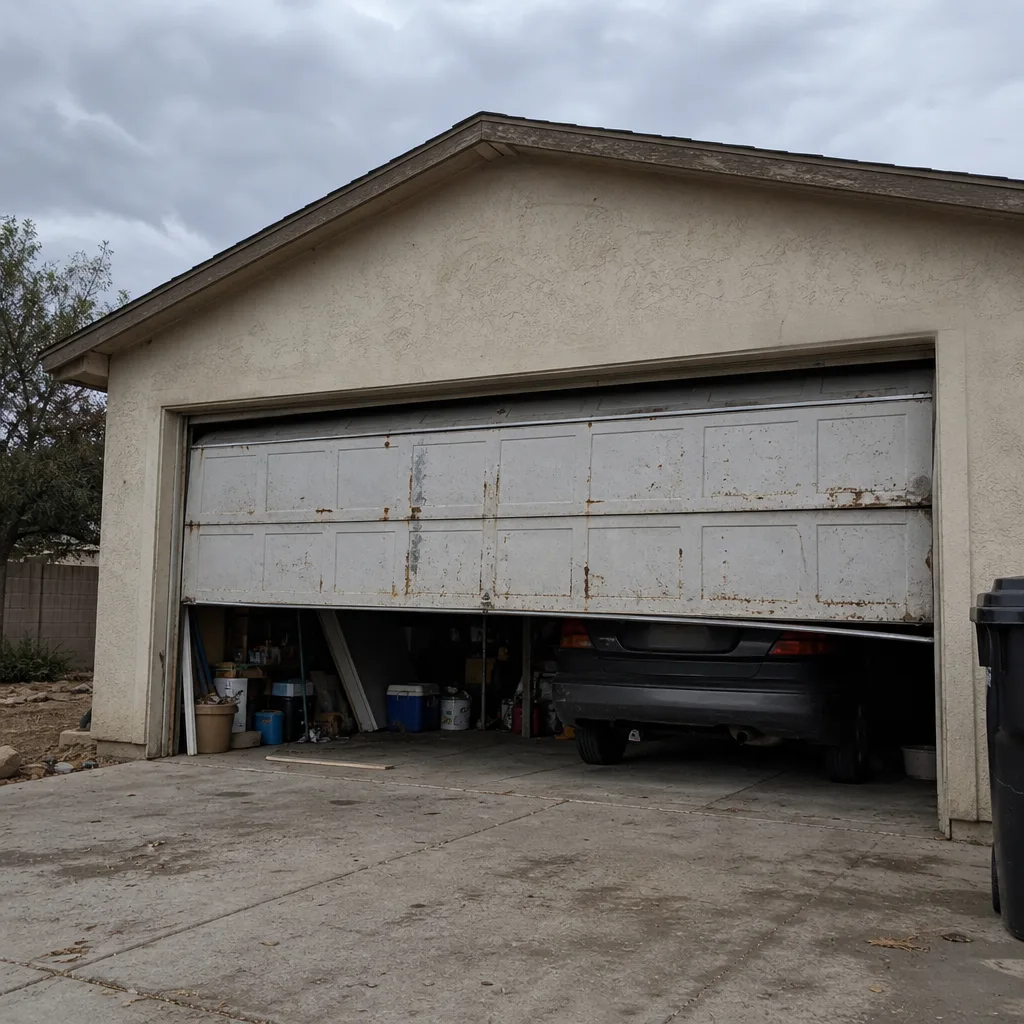 Before
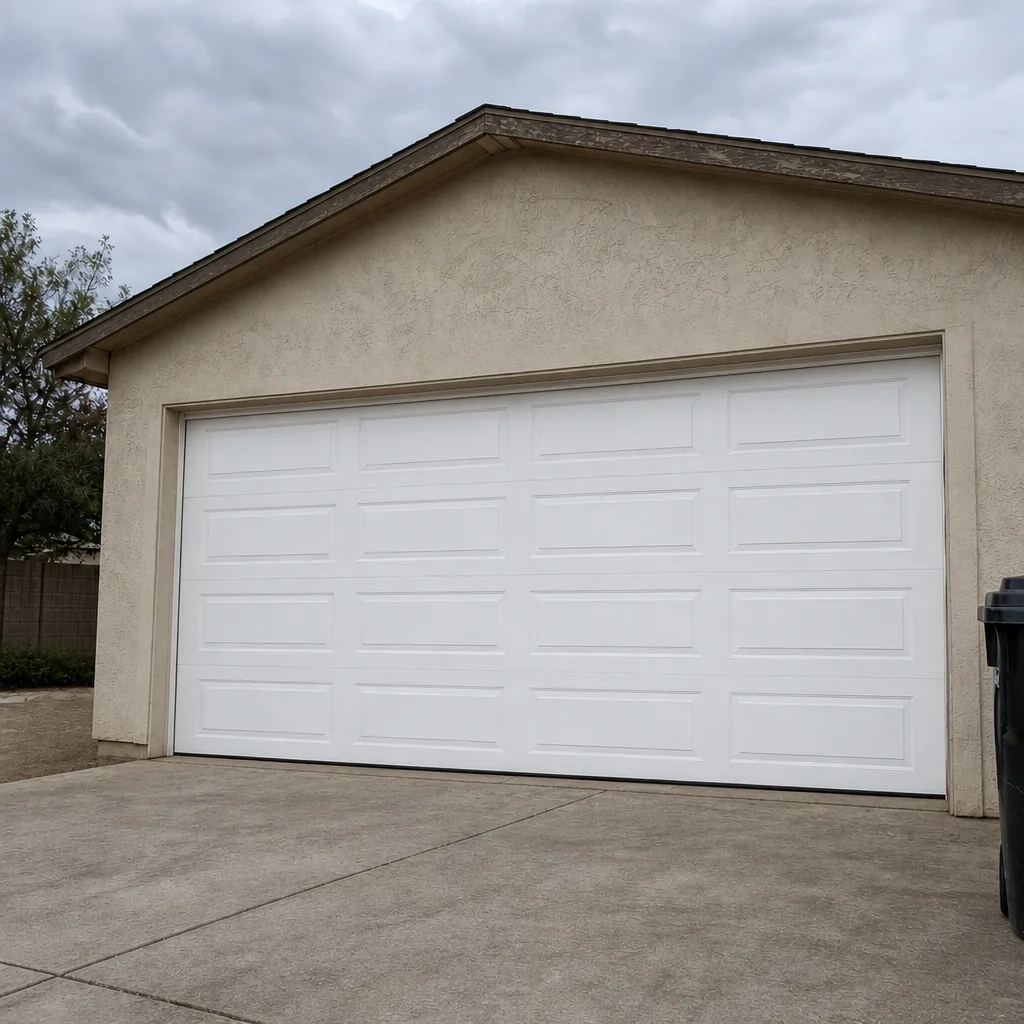 After
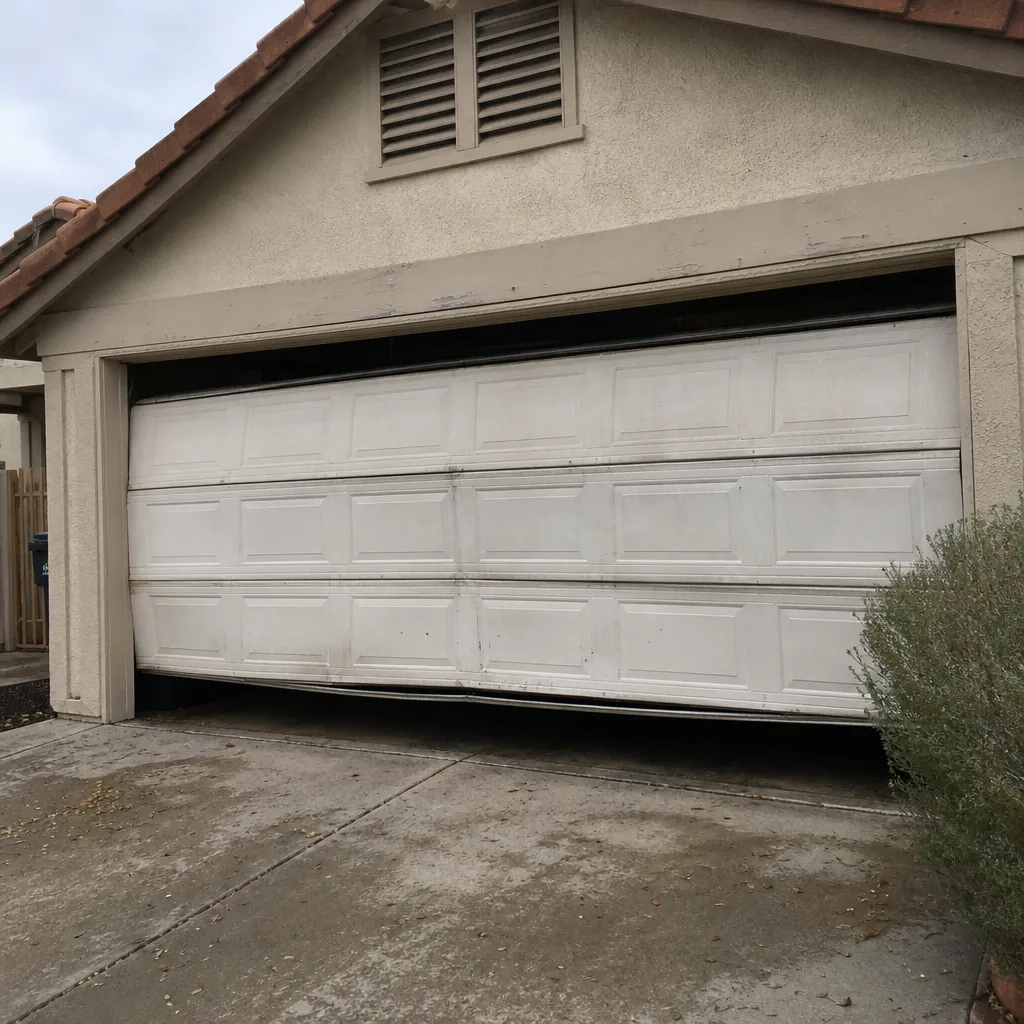 Before
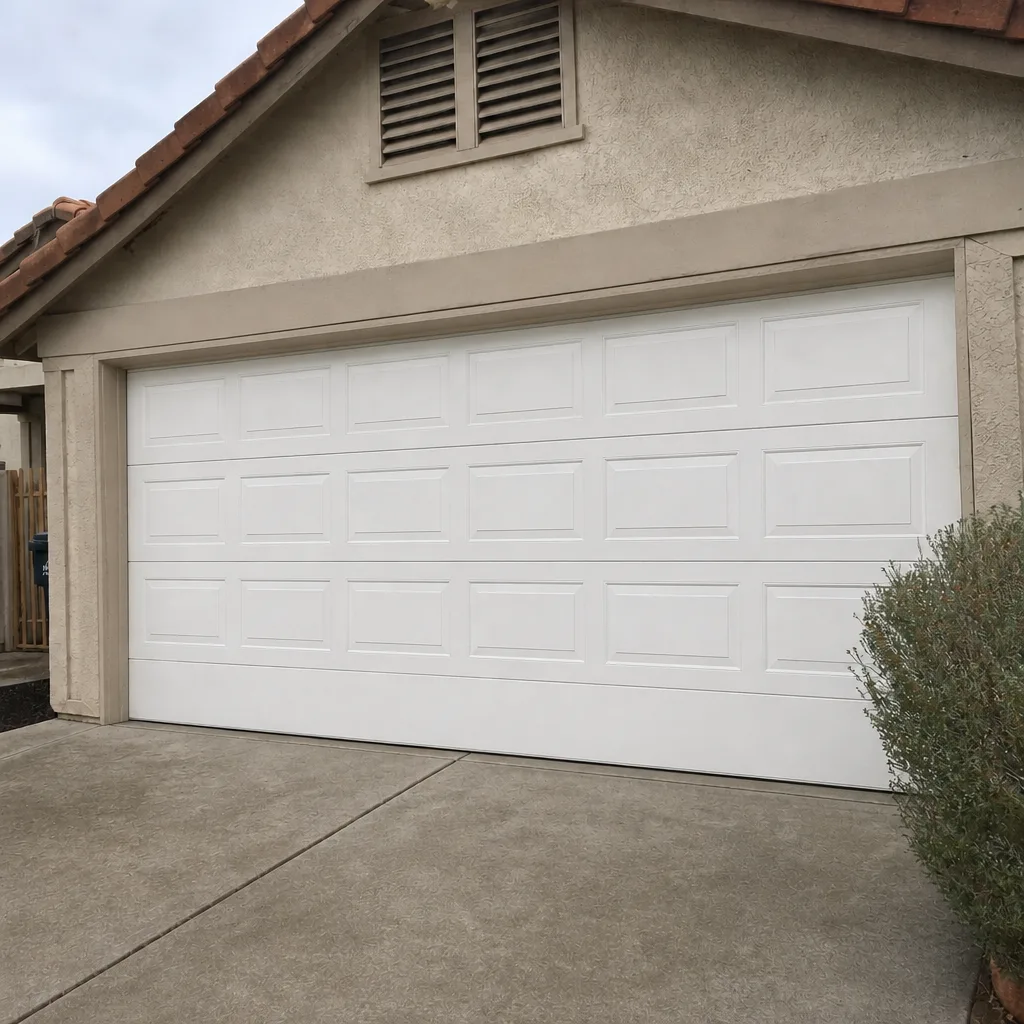 After
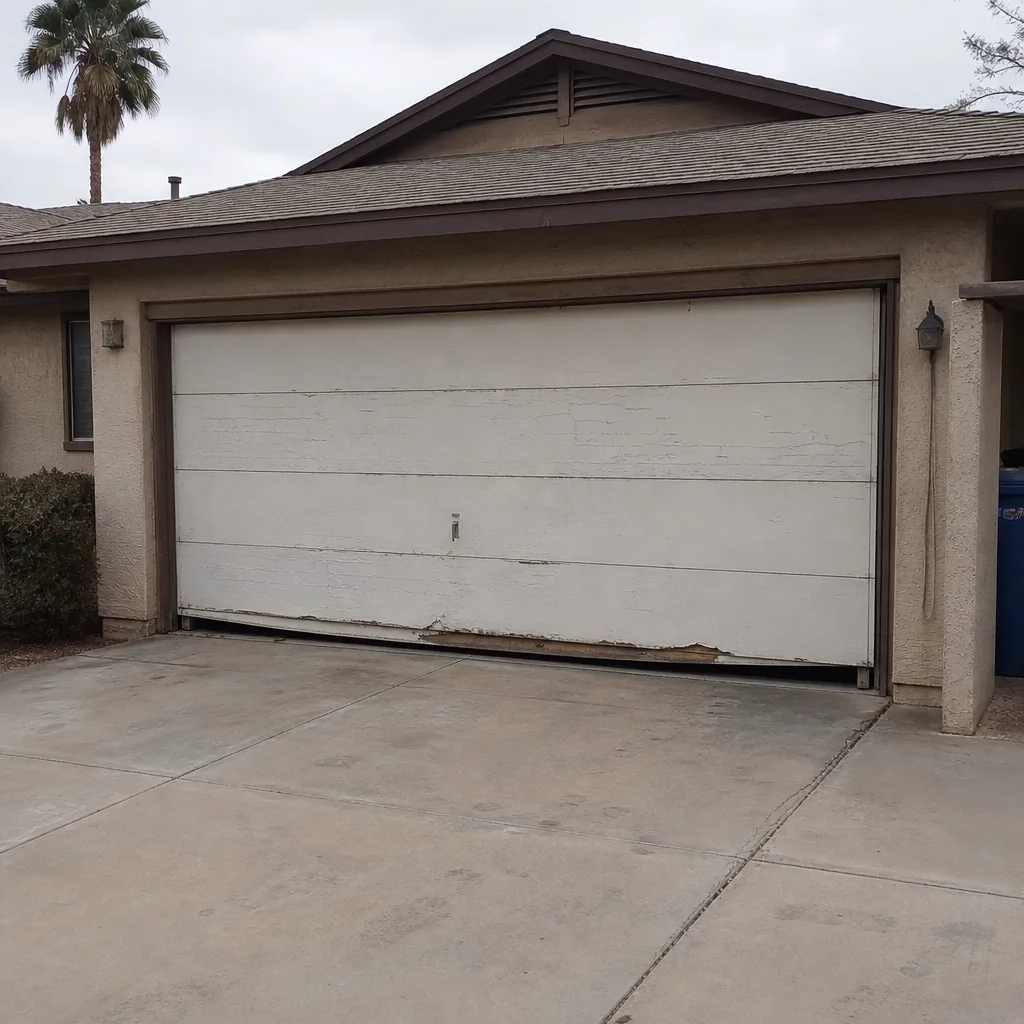 Before
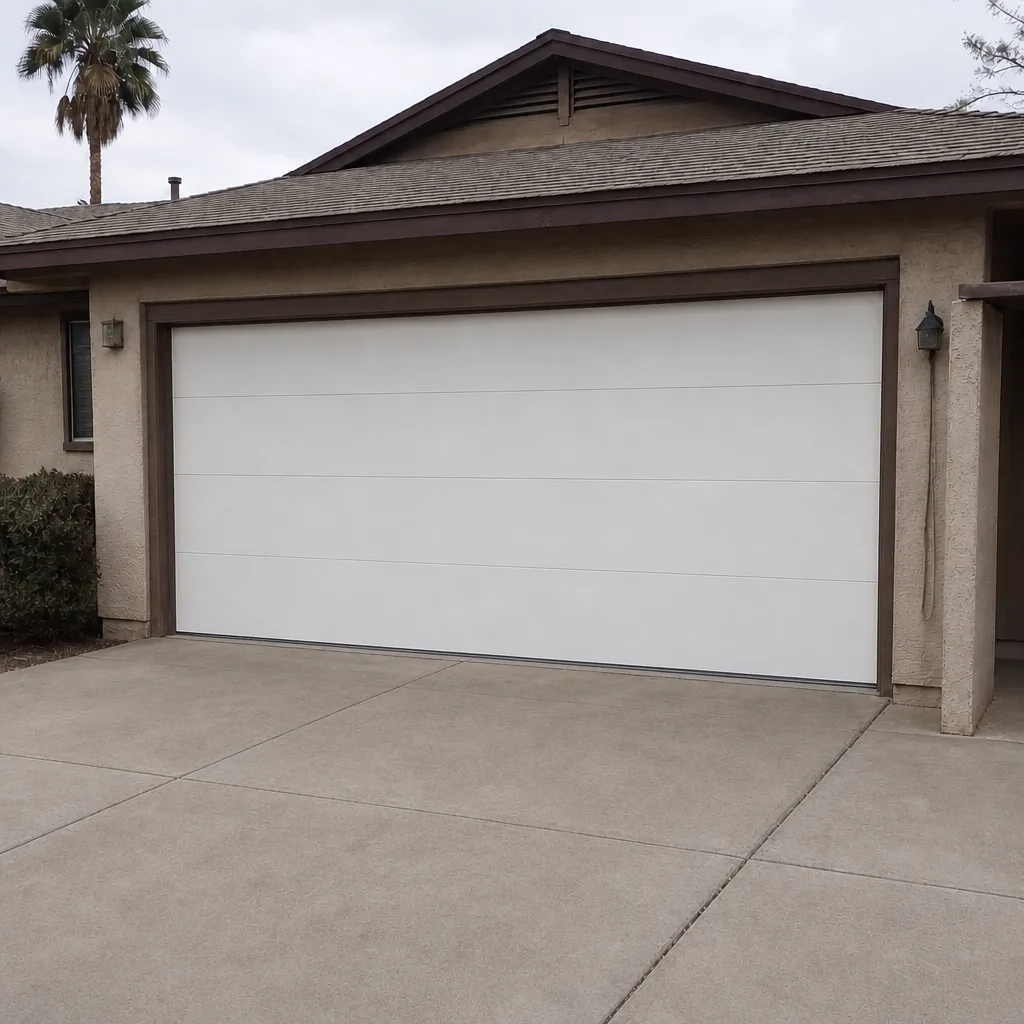 After
When to Call a Professional
Call when your diagnosis lands on springs, cables, opener internals, or a structural problem – anything where the pattern crosses into high tension or the door’s own foundation. Call if the door reverses on its own repeatedly, if the manual release test shows the door is heavy or binds, if the breaker keeps tripping, or if the door is visibly warped or off its track. And call if the ten-minute check leaves you unsure which pattern you’re looking at. Firstline Garage Door Repair offers free estimates in Tucson – call (855) 632-1096. We answer 24/7. Fast dispatch from 7am to 7pm, Sunday through Friday. We work on the brand you already have, whether it’s a LiftMaster opener or a Clopay door, and we’ll diagnose the whole system in one visit so you get one call, not two contractors.
Frequently Asked Questions
It’s usually a sensor problem – photo-eye misalignment or debris breaking the beam. In Tucson, sun and heat can drift the sensors enough to cause afternoon reversals, so check alignment when the problem happens. If both sensors are clean and lit, a technician can test the sensor circuit and confirm whether the sensor or the opener’s logic is the cause. Call (855) 632-1096 for an exact quote – estimates are free.
Most sensor, seal, and hinge repairs can be done same day, and a technician dispatched from 7am to 7pm Sunday through Friday can often handle a repair in a single visit. Spring and opener replacements are scheduled work; a technician measures and orders parts first. We answer 24/7, so call anytime and we’ll book the next opening. Call (855) 632-1096 for a free estimate.
No. The written estimate sets the final price, and nothing starts until you’ve agreed to it. If the technician finds a second problem while diagnosing the opener and door together, you’ll get a revised estimate before any extra work begins. Call (855) 632-1096 for a free estimate.
Yes, the technicians who perform the work are licensed and insured, and they’ve been trained across the eight major brands we service. That matters most on spring and opener jobs where safety and code compliance are involved. Call (855) 632-1096 for a free estimate.
A single torsion spring replacement is typically a few hundred dollars, and a matched pair costs about twice that since both are usually replaced together. The written estimate sets the final price, and springs are always a professional job. Call (855) 632-1096 for an exact quote – estimates are free.
Monsoon humidity swells wood sections and door jamb framing, which can cause binding and sticking that clears up as the air dries. If the door sticks intermittently during the humid weeks but works fine in the dry season, the cause is swelling, not a failing opener. A technician can check the panels and hardware and recommend a fix. Call (855) 632-1096 for a free estimate.
The Bottom Line
Garage door troubleshooting starts with a pattern, not a symptom. Sort the problem into one of the five patterns – mechanical, electrical, sensor, opener logic, or structural – and the fix becomes obvious. Tucson’s heat and monsoon humidity put unique pressure on bottom seals, photo-eyes, and wood-framed openings, which is why the same symptom here often points to a different cause than it would elsewhere. Safe DIY checks (photo-eye alignment, manual release, visual spring inspection, breaker check) take ten minutes; springs, cables, and opener internals are professional work. If you’re still unsure which pattern you have, that’s the point to call. Firstline Garage Door Repair is a repair-first specialist, we work on the brand you already have, and one call covers the door, hardware, and opener together. Call Firstline Garage Door Repair at (855) 632-1096 for a free estimate. We answer 24/7. Fast dispatch from 7am to 7pm, Sunday through Friday.
Written by the team at Firstline Garage Door Repair.