
Last updated November 15, 2026
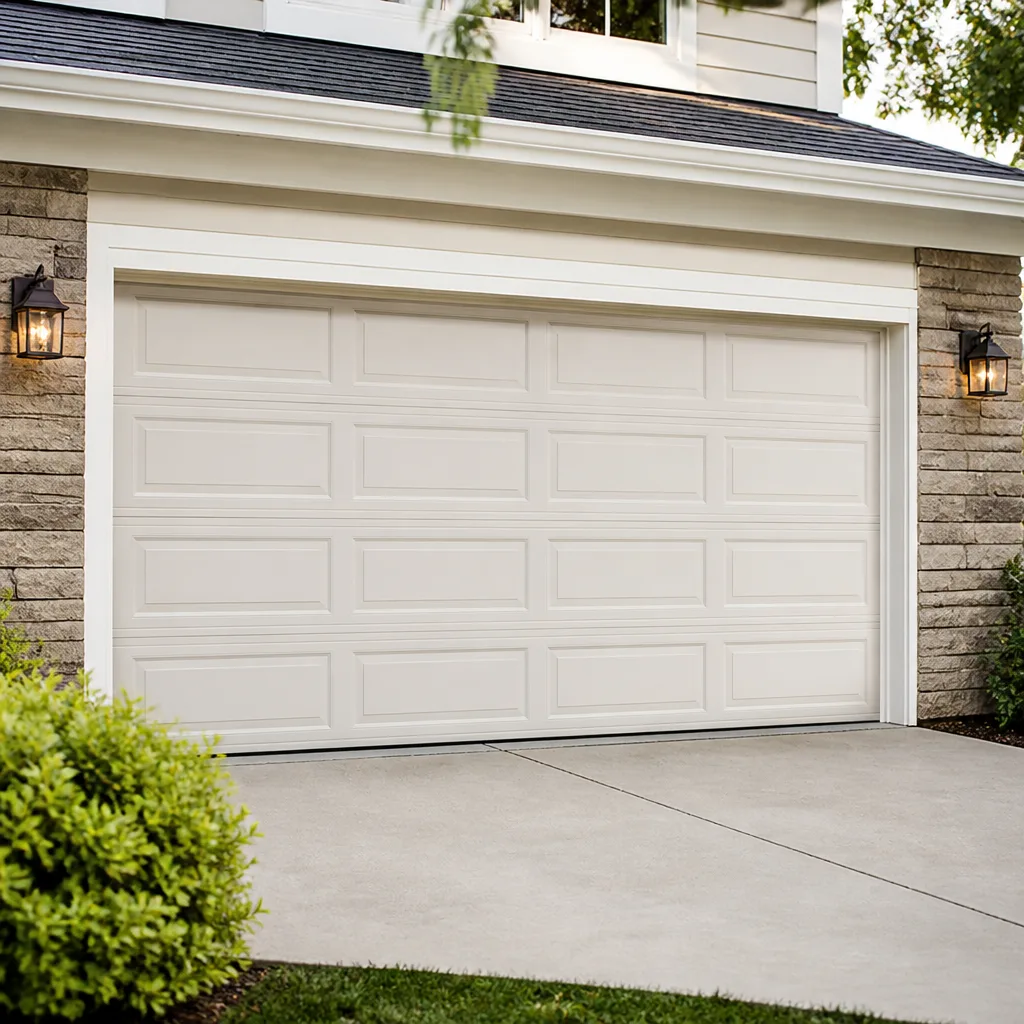 Raised-panel steel
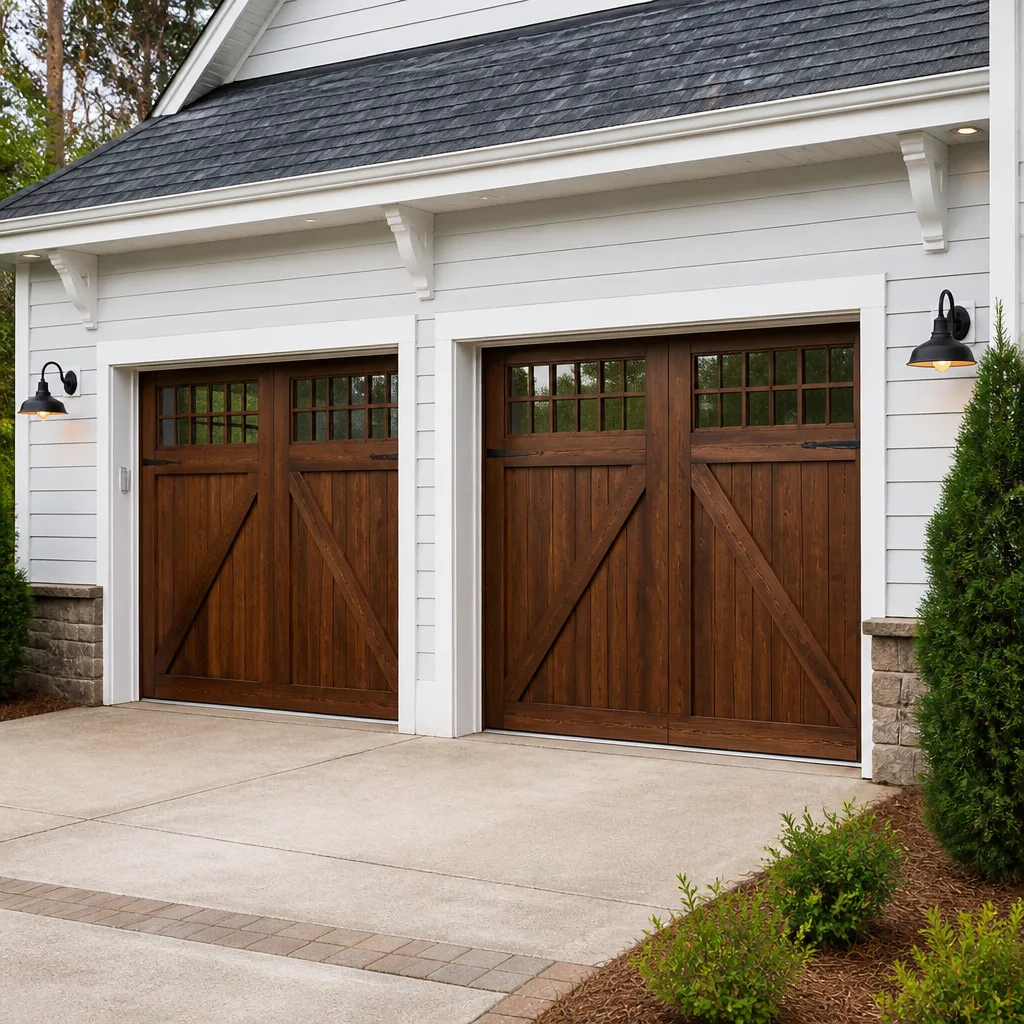 Carriage house
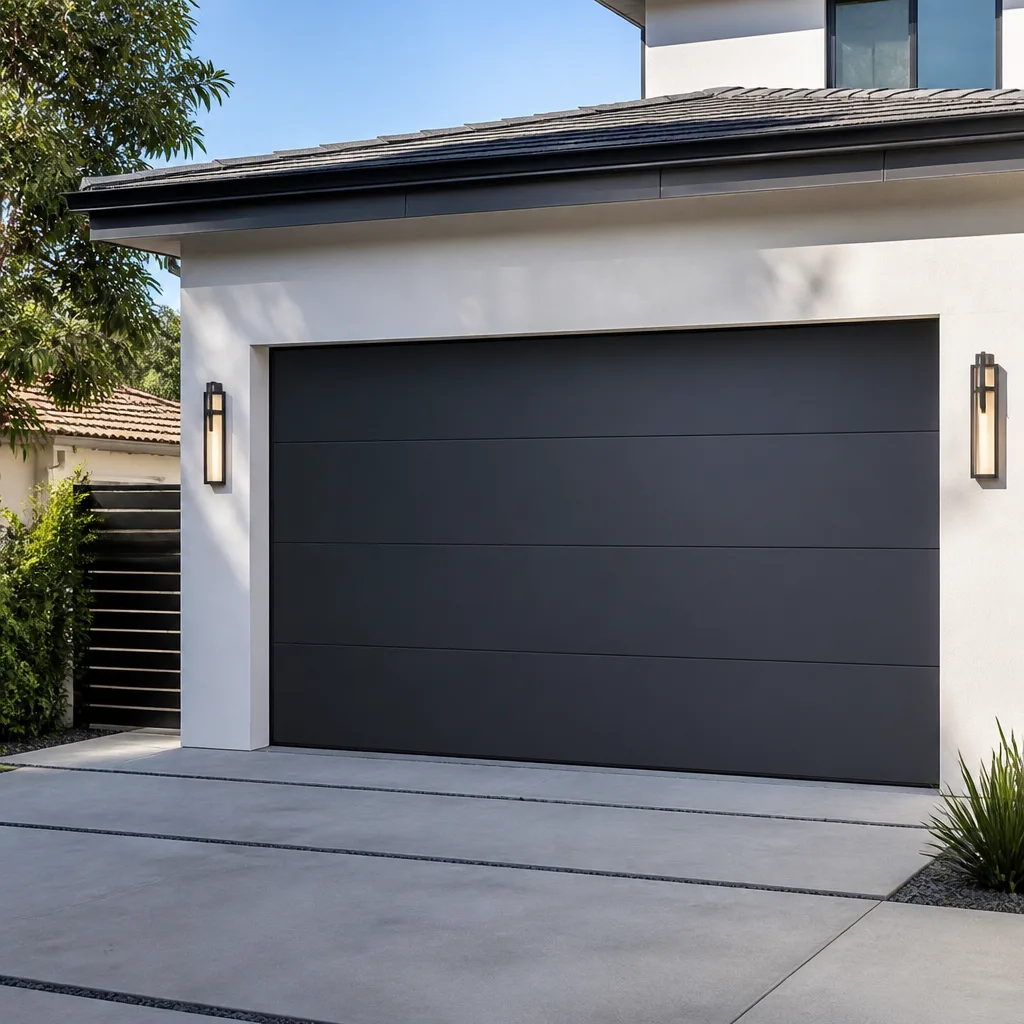 Modern flush
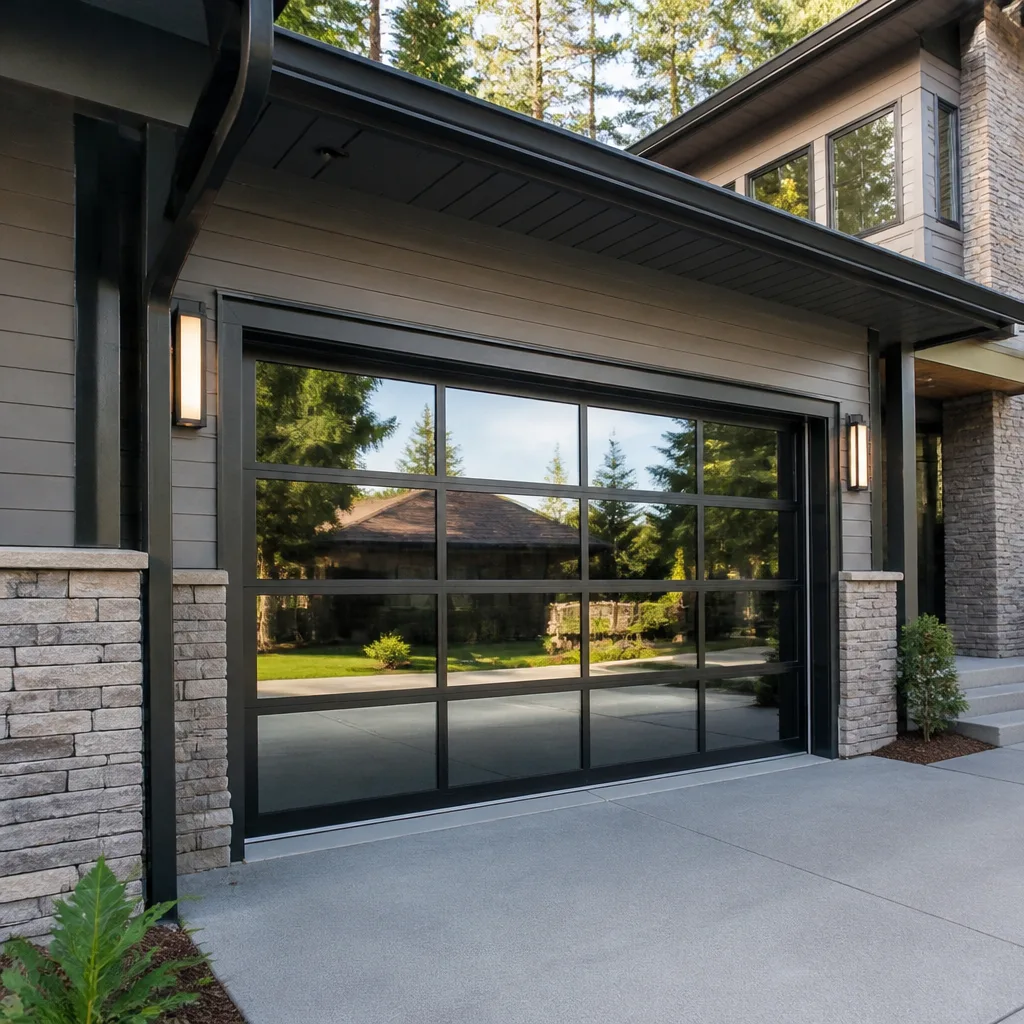 Full-view glass
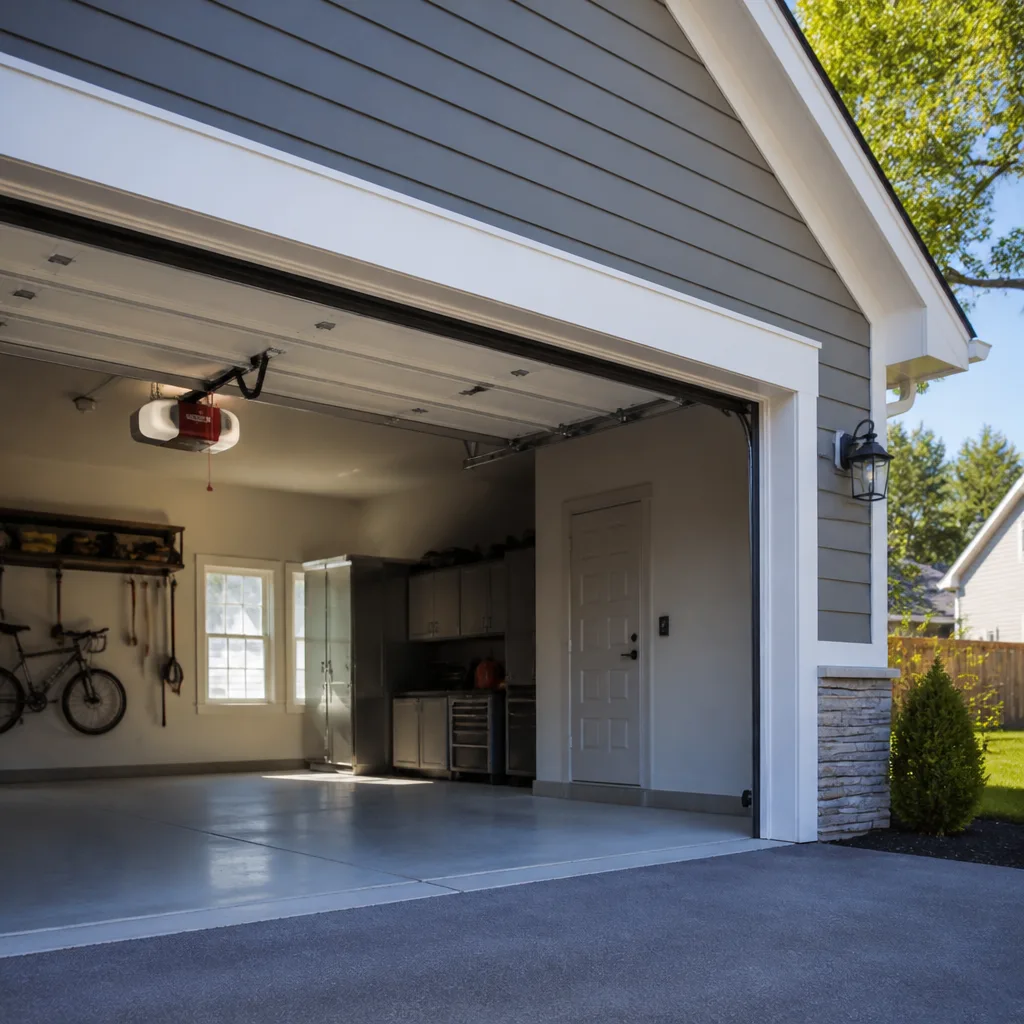 LiftMaster openers
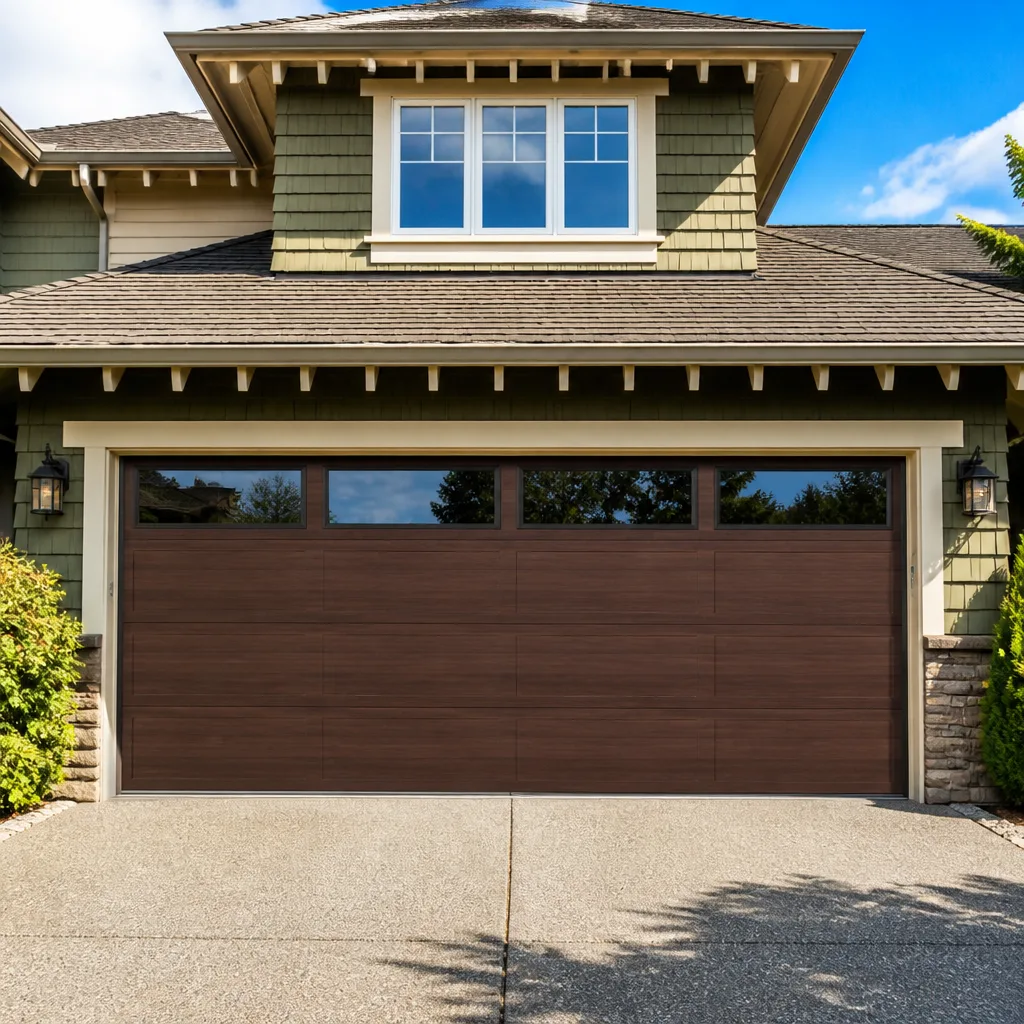 Chamberlain openers
Full 25-point door and opener safety check with every visit - springs, cables, rollers, tracks, and your LiftMaster or Chamberlain opener included
You get a price before we start. It does not change when the pro arrives.
Get your free estimateGarage Door Warning Signs: A Tucson Homeowner’s Reference Guide
Most garage door failure stories don’t begin with a bang. They begin with a door that hesitates for a second before it opens on a warm afternoon, a rattle that wasn’t there last month, or a light you have to flip twice. Homeowners explain these things away because the door still opens – right up until it doesn’t, usually on the hottest day of the year when the car is loaded and you’re already late. In our experience across Tucson, the warning signs were there for weeks. This guide covers the early, easy-to-dismiss signals most people miss, what each one means mechanically, and how to tell a “book an appointment” warning from a “call today” warning.
Quick Answer
The earliest garage door warning signs in Tucson are slower or uneven travel, new or worsening noise (grinding, popping, squealing, scraping), and doors that stick only on hot afternoons as panels expand in the heat. These signals usually appear weeks before a spring, cable, or opener failure – which means most serious breakdowns are predictable and preventable when you know what to look and listen for. A door that hesitates at the reversal sensor is a safety issue, not a quirk, and should be treated as urgent.
Styles & brands we work with
- Raised-panel steel
- Carriage house
- Modern flush
- Full-view glass
- LiftMaster openers
- Chamberlain openers
Table of Contents
- Why Doors Stick Only on Hot Tucson Afternoons
- The Sound Guide: What Each Noise Tells You
- The 60-Second Visual Check
- Scheduled Appointment vs. Same-Day Attention
- When a “Minor Quirk” Is a Safety Issue
- What Age Does to Your Door
- Opener-Specific Warning Signals
- Common Mistakes to Avoid
Why Doors Stick Only on Hot Tucson Afternoons
This is the single most under-reported warning sign in Tucson, and it’s unique to a desert climate. A door that glides smoothly at 7am but drags or binds at 3pm is not “just being temperamental.” It’s telling you something mechanical. Metal panels expand with heat, and the steel tracks that guide them expand too – but not at identical rates. A track that was perfectly aligned in cooler weather can pinch against the door’s rollers once the door heats up, producing a bind that vanishes again by evening. Homeowners frequently ignore this for an entire summer because the door “works fine most of the time.”
Three things typically drive this pattern:
- Track misalignment. Even a small gap or bend in a track can cause binding when the door expands. Look at the gap between the door’s edge and the track along both sides – if it’s not consistent, the track has moved.
- Dry or worn rollers. Rollers that have lost lubrication or are worn flat create more friction, and heat makes the difference noticeable.
- Torsion or extension spring fatigue. A spring loses lifting force over time. In mild weather the opener’s motor compensates; in heat, the door is heavier and the motor struggles.
By the time a door actually fails in Tucson, the thermal binding pattern has usually been repeated for months. A technician can often catch the root cause in one visit and fix it before a spring snaps or a motor burns out. That’s the repair-first mindset we work from – a door that binds on hot afternoons is a warning, not yet a breakdown. For a closer look at how we handle that diagnostic, see our garage door repair approach in Tucson.
The Sound Guide: What Each Noise Actually Means
A garage door should sound like a steady, low mechanical hum – the motor running with a smooth, consistent roll of panels. Any new noise is information. Each sound points to a different component, and matching the noise to the mechanism is the fastest way to know what you’re dealing with.
Grinding
Grinding usually means metal-on-metal contact, most often from dry or worn rollers or a roller that has jumped part of the way out of its track. It’s the most common noise we hear in doors that haven’t been lubricated or serviced in years. Left alone, grinding rollers chew through the track, which turns a $10 part into a repair that involves realignment.
Popping
A pop – especially when it happens at one point in the door’s travel – often points to a cable that has slipped off its drum, a roller binding against a track bolt, or a torsion spring that’s dragging. Popping is a warning that a component is under abnormal stress, and the door is close to a hard failure. Treat a popping door with real caution: if the door appears cocked or one side sags, don’t keep running it.
Squealing
High-pitched squealing almost always comes from dry rollers, dry hinges, or a dry torsion bar. It’s the least urgent of the four noises – but it’s also the easiest to fix, and it’s cheap insurance against the friction causing bigger problems. If your door squeals every time, the noise is the door asking for lubrication before wear compounds.
Scraping
Scraping is the sound of the door or its panels dragging against the track or the weather seal. It’s often a track that’s out of alignment, a bent panel, or a bottom seal that has worn unevenly. Scraping is worth an inspection: if the door has pulled out of its track, continuing to operate it can send it off the rails entirely.
Our technicians have up to 15 years of experience matching a sound to a mechanical cause, and the diagnosis almost always happens in the first two minutes of a service call. The brand of your system matters less than the symptom – we work on the brand you already have, from LiftMaster and Chamberlain openers to Clopay doors.
The 60-Second Visual Check
You don’t need tools or training to spot several early failure signs. Walk outside, put the door down, and check these five things. The whole loop takes about a minute, and it’s worth repeating every few months – especially before summer.
- Look at both cables. One cable runs along each side of the door, from the bottom bracket up to the drum. You’re looking for fraying, kinks, or broken strands. A cable with even a single bad strand is a warning that the door’s lift is compromised. Never touch or loosen a cable under tension – they’re under extreme force and can injure you.
- Inspect the springs. Torsion springs sit on the bar above the door; extension springs run along the sides. Look for gaps, stretched coils, or rust pitting. A spring with a visible separation is on its way out. Never attempt to adjust or disconnect a spring – this is the single most dangerous part of a garage door system and requires a trained technician.
- Check the rollers. Look at the wheels that ride inside or on the track. Flat spots, cracks, or bearings that wobble mean the roller is worn and needs replacement.
- Check the door’s balance. With the door closed, disconnect the opener (the release cord), lift the door halfway, and let go. A properly balanced door stays roughly in place. A door that slides down on its own has a spring that’s lost lifting force.
- Run your hand along the bottom seal. Feel for gaps or missing pieces. A worn seal lets heat, dust, and occasional desert critters in – and it’s cheap to replace.
If any of those checks turns up a problem, the next step is a professional diagnosis. You can schedule a free estimate by calling Firstline Garage Door Repair and describing what you saw.
Scheduled Appointment vs. Same-Day Attention
Not every warning sign is an emergency, and knowing which bucket you’re in saves time and money. The difference comes down to whether the door is still safe to operate.
Can wait for a scheduled appointment
- New or increasing noise (squealing, grinding, light popping) but the door still opens and closes smoothly
- Thermal binding only on hot afternoons, with normal operation at other times
- Cosmetic issues: faded paint, small dents, worn bottom seal, minor track gap
- An opener light that flickers or a remote that occasionally needs a second press
- Routine lubrication and balance checks
Needs same-day attention
- A door that will not open or is stuck in the open position
- Visible cable fray with broken strands, or a spring with a clear gap
- A door that’s cocked, sagging on one side, or off its track
- Any door that reverses irregularly or fails its reversal sensor test
- A door that has become dangerously heavy to lift manually
For same-day issues, call garage door opener repair or the main line and describe the symptom – a technician can usually tell you in under a minute whether the door is safe to operate until a visit. We answer 24/7. Fast dispatch from 7am to 7pm, Sunday through Friday. A call outside those hours is booked into the next opening.
When a “Minor Quirk” Is a Safety Issue
A door that “works fine most of the time” but occasionally reverses late, hesitates at the infrared safety sensors, or fails to stop when it meets an obstruction is not a minor quirk. It’s a genuine hazard. The sensors at the base of the door are there to detect a child, pet, or object in the path and reverse the door; a sensor that works 9 times out of 10 means it fails 1 time out of 10 – and one failure is one too many. A door that reverses late or stops responding to the sensors may weigh well over 100 pounds, and it can cause serious injury.
Test the reversal sensors monthly: close the door, wave an object in front of the sensor beam, and confirm the door reverses. If it doesn’t, stop operating it and have it serviced. This is one of the very few warning signs we treat as urgent regardless of how the rest of the door behaves.
Two more safety notes worth repeating:
Springs and cables are under extreme tension at all times. A snapping torsion spring can seriously injure an untrained person, and a broken cable can whip unpredictably. Never try to replace or adjust a spring yourself, and never attempt to repair a frayed cable – that’s work for a trained technician. Similarly, if you suspect the opener’s wiring or the outlet it’s plugged into has an issue, treat it like any other electrical concern and have it checked by a professional rather than poking at it yourself.
The openers many Tucson homes have – LiftMaster, Chamberlain, Genie, Craftsman – all include a safety reversal function required by federal safety standards. If yours doesn’t work, it needs service, not patience.
What Age Does to Your Door
Components wear on different timelines, and knowing which part is most likely failing at which point helps you prioritize. In our experience:
- Rollers: typically the first wear item. They lose their shape and bearings long before the door itself is tired.
- Springs: a torsion spring cycles thousands of times per year. Fatigue shows up as a door that feels heavier than it used to.
- Cables: lifespan depends heavily on lubrication and how often the door has been run dry. Fraying is the tell.
- Openers: motors, gears, and logic boards age at different rates. A quiet opener that suddenly becomes loud is usually a worn gear or a dry motor.
- Panels and seals: subject to sun, heat, and dust. In Tucson, the seal at the bottom of the door is one of the first things to weather.
If you’re seeing multiple warning signs together, the honest calculation is sometimes that a full installation makes more sense than a series of repairs. But that should be a conversation about the door’s actual condition, not a default. Our starting point is always what can be fixed.
Opener-Specific Warning Signals
Most of this guide is about the door, but the opener has its own early warning signs. These are worth watching because an opener problem that gets ignored often reveals a door balance problem underneath it.
- The opener strains or sounds labored. A motor working harder than usual is usually compensating for a door that’s become heavier – a door-side problem, not an opener problem.
- The door reverses for no reason. Fresh LiDAR or sensor interference, a misaligned safety sensor, or a limit-setting issue.
- The remote needs multiple presses. Usually a battery or a worn wall control, sometimes a logic board.
- Smart opener drops off Wi-Fi. The connected systems in newer LiftMaster, Chamberlain, and Genie openers are great until they lose their network settings – often a quick reset.
- The opener light blinks a code. Every major brand uses a diagnostic blink pattern. A technician can decode the flash and save you a wild guess.
If the opener is the issue, we diagnose the door and the hardware at the same time. One call covers everything – the panel, the parts, and the operator. That’s true regardless of brand: we service and install LiftMaster and Chamberlain openers and Clopay and Amarr doors, along with Genie, Wayne Dalton, Craftsman, and Raynor. For more on the opener side, start with Tucson.
Common Mistakes to Avoid
- Ignoring thermal binding all summer. A door that only sticks on hot afternoons is telling you a track or roller problem exists. Waiting until fall to fix it usually means a spring or motor pays the price.
- Treating noise as normal. A door that’s quiet for years and suddenly isn’t is a signal, not “just how it sounds now.” Noise is the cheapest diagnostic information you have.
- Running a door that’s visibly off-track. Scraping, sagging, or one side lagging are all signs the door is not running safely. Continuing to open and close it increases damage and risk.
- Lubricating the wrong part. A little grease on rolling parts helps; a lot on the track itself collects desert dust and turns into an abrasive paste. A light, proper lubricant on rollers and hinges is the right move.
- Assuming a safety-sensor glitch is minor. Any hesitation on the reversal sensor is a safety issue, not a nuisance – the sensor’s entire job is preventing injury.
- Calling a garage door “old” before checking it. Many Tucson doors that feel tired just need new rollers and a balance adjustment. Assume repair is possible until a technician tells you otherwise.
- Skipping the annual visual check. The 60-second check catches most early failures. Doing it every few months costs nothing and prevents the majority of emergencies.
See the difference
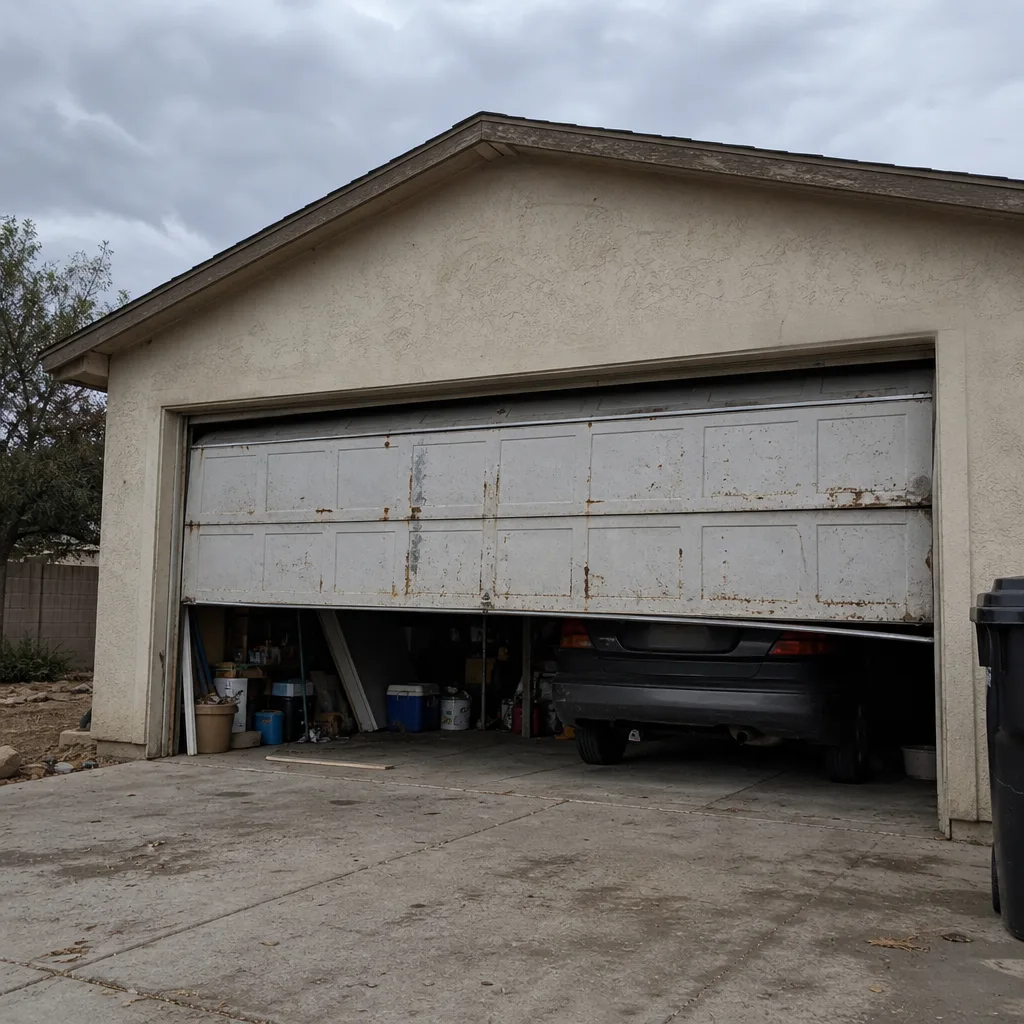 Before
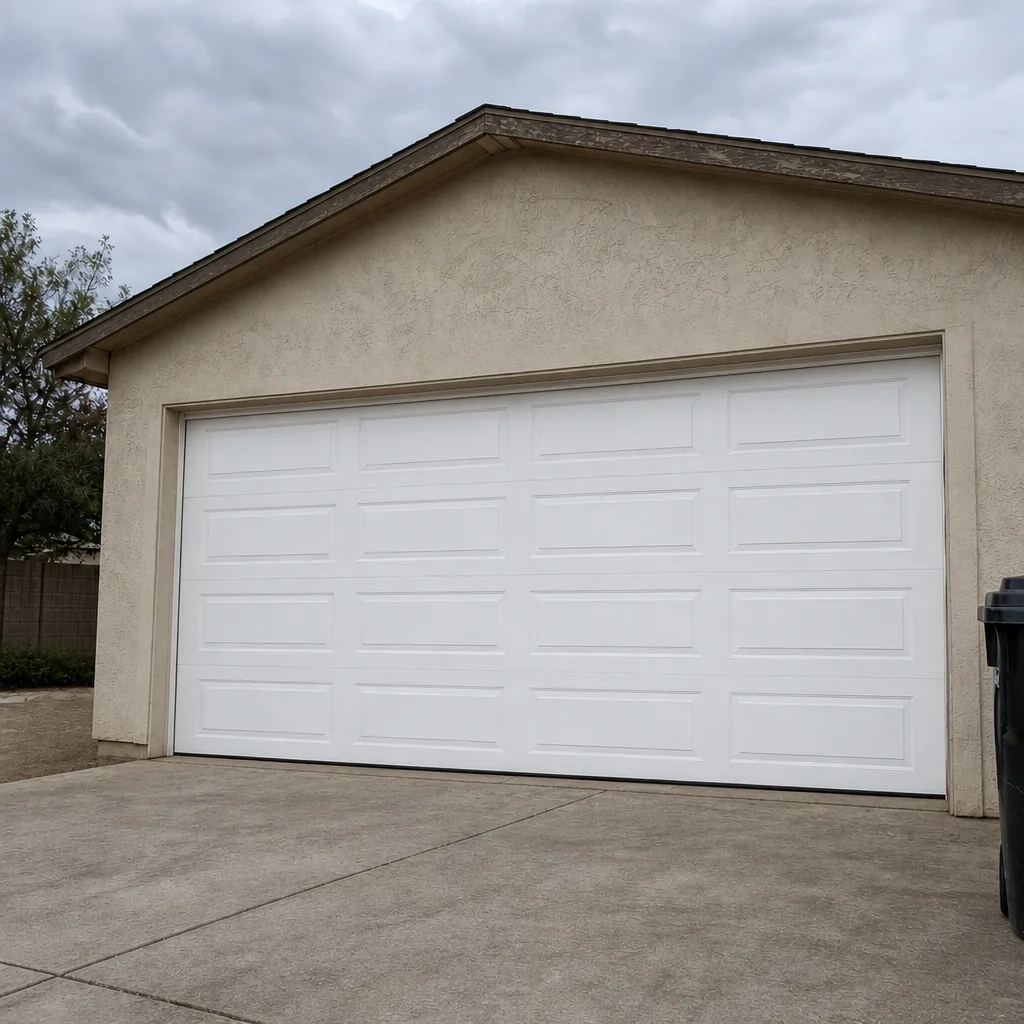 After
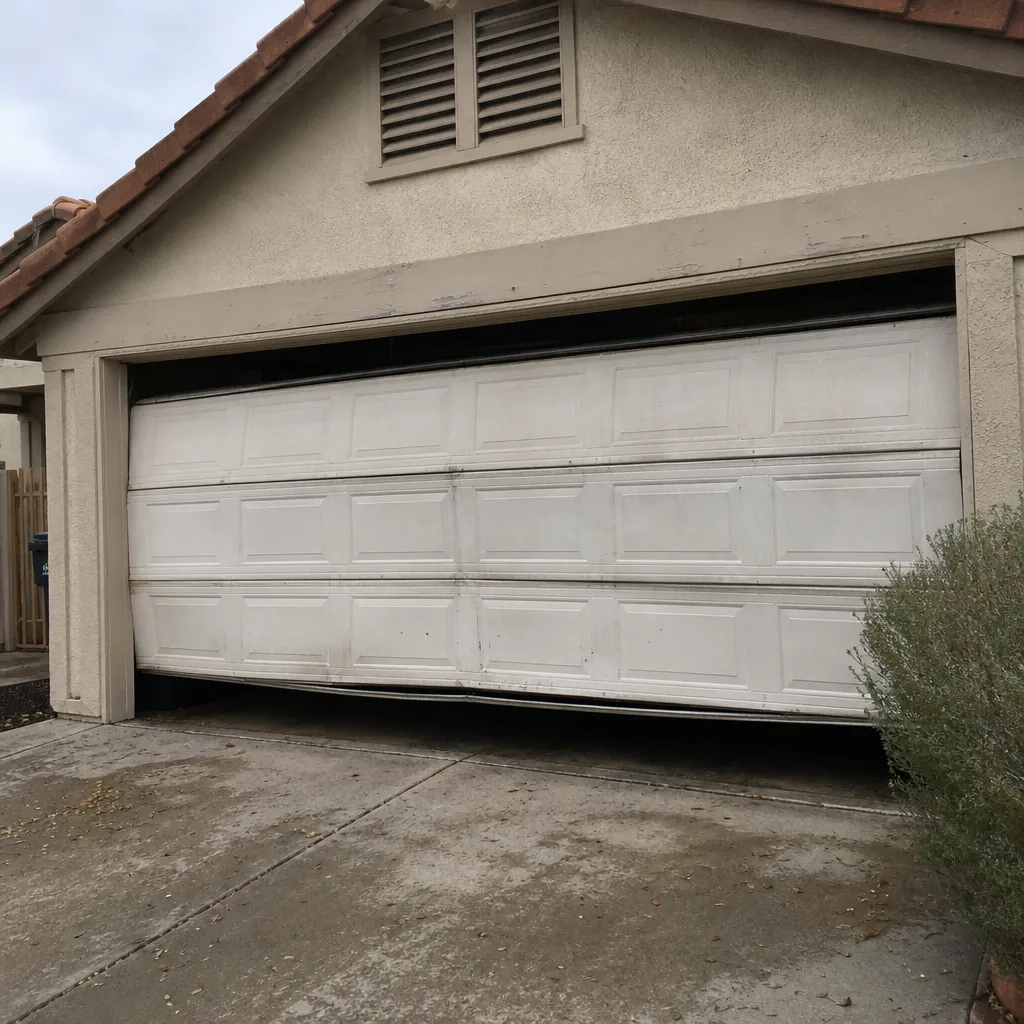 Before
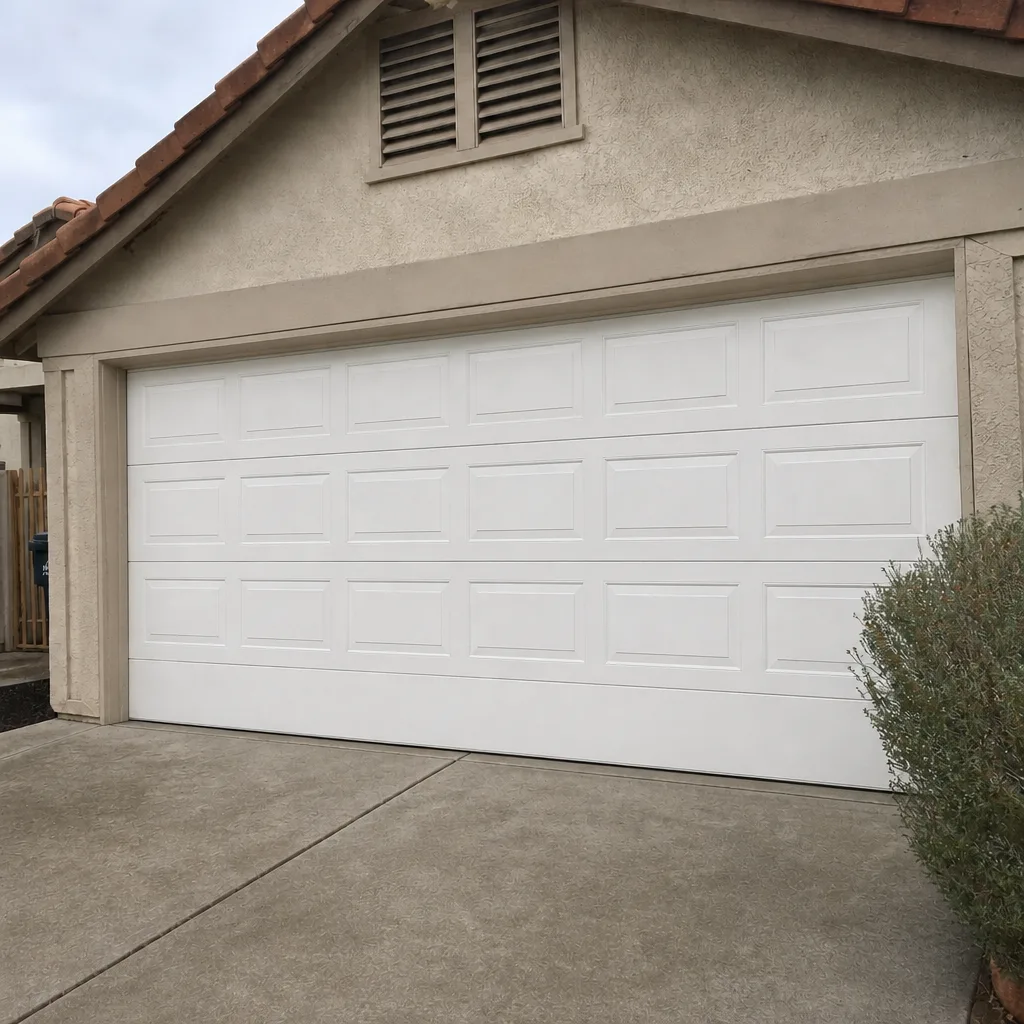 After
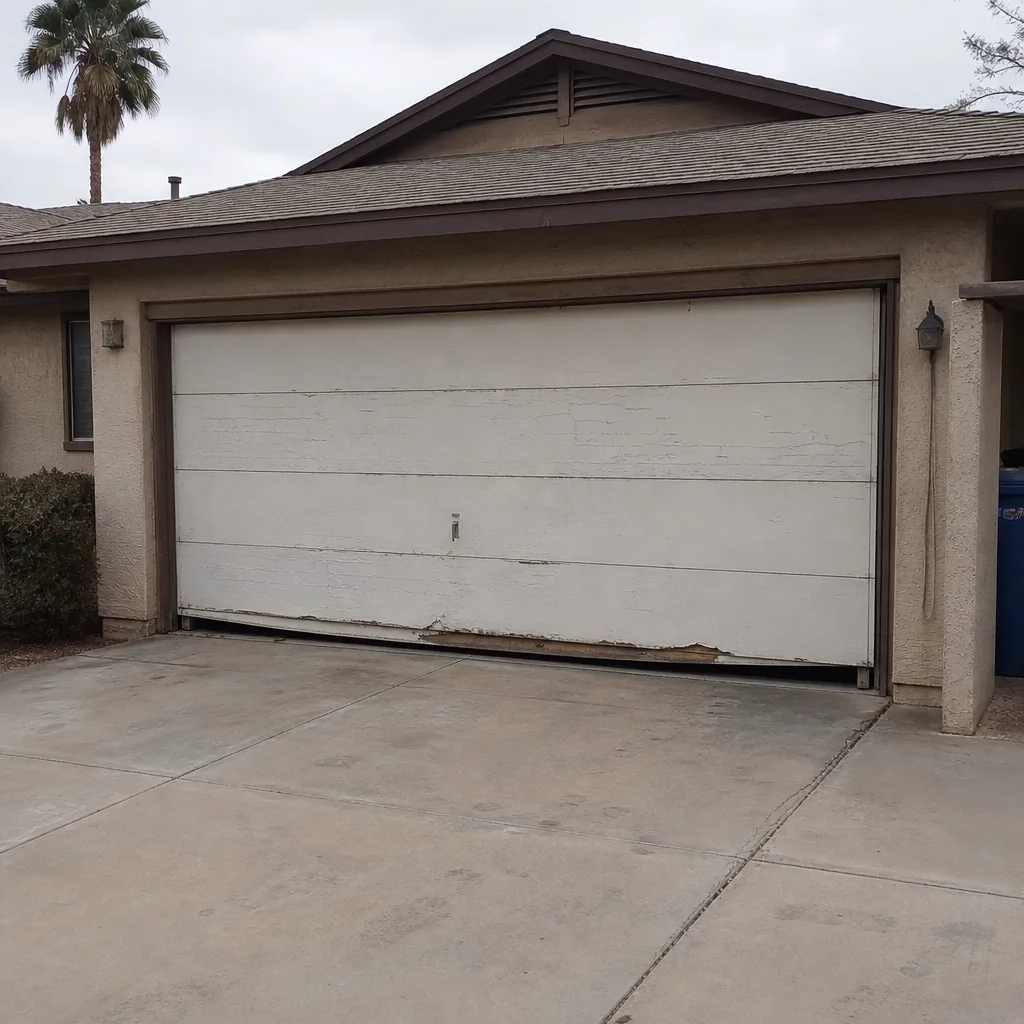 Before
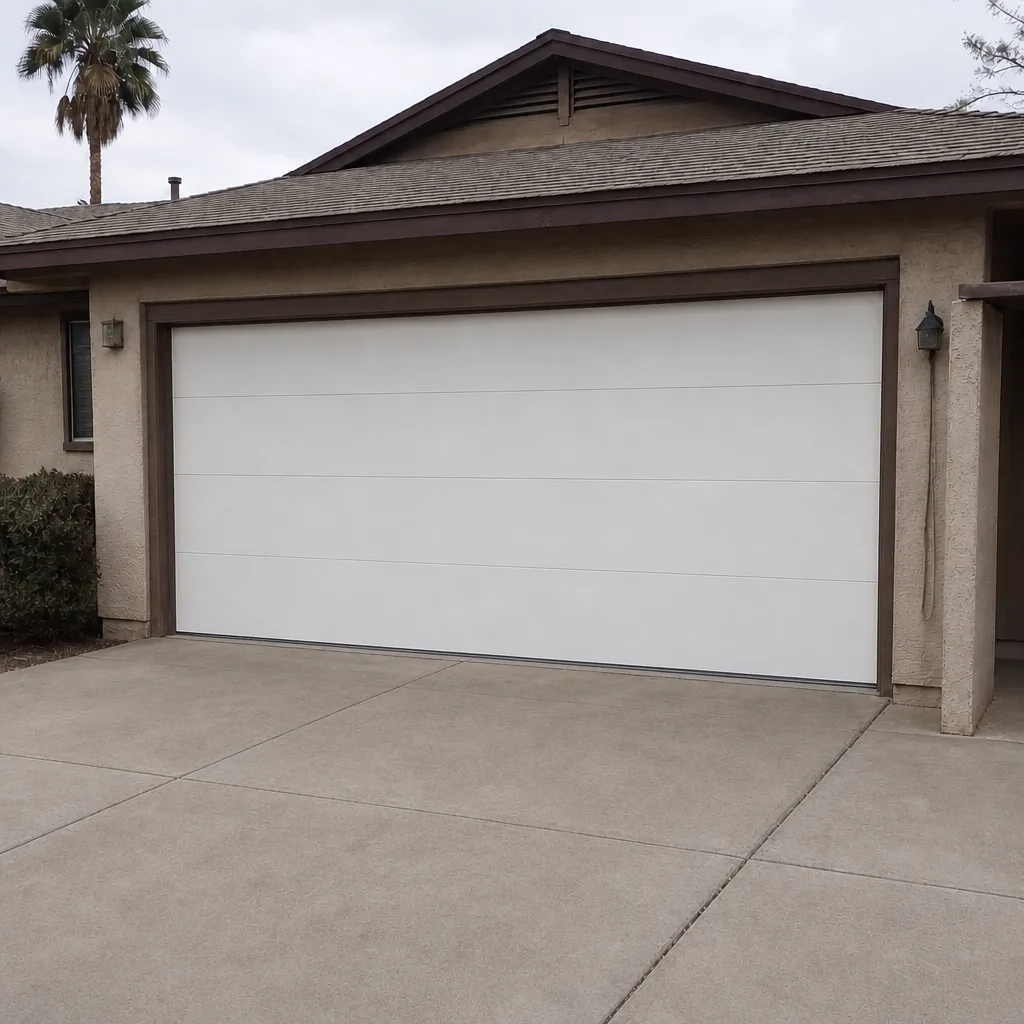 After
When to Call a Professional
Call a professional when you see a frayed cable, a spring with a visible gap, a door that’s off its track or sagging, a motor that sounds labored, or a safety sensor that fails its test. Also call if you’re seeing the early signals on this list repeatedly – repeated thermal binding, persistent noise, or a door that only “works fine most of the time.” For any of these, don’t wait for a full breakdown: a scheduled visit costs far less than a door that fails at the wrong moment.
Firstline Garage Door Repair offers free estimates in Tucson – call (855) 632-1096. Our technicians have up to 15 years of experience, work across the full set of brands you’re likely to have, and quote the price in writing before any work starts. We answer 24/7. Fast dispatch from 7am to 7pm, Sunday through Friday.
Frequently Asked Questions
The earliest signs are usually slower or uneven travel, new noise (grinding, popping, squealing, or scraping), and thermal binding – sticking only on hot afternoons. These appear weeks before a spring, cable, or opener failure, which means most breakdowns are predictable when you know what to look for. If any of them persist, call (855) 632-1096 for a free estimate.
Metal panels and steel tracks expand at different rates in the heat, so a track that’s slightly out of alignment can pinch the door once it warms up. It’s a sign of a track, roller, or spring-fatigue problem – not “the door being temperamental.” A technician can usually identify the cause in one visit. Call (855) 632-1096 for an exact quote; estimates are free.
Grinding means metal-on-metal contact, most often worn or dry rollers or a roller partially out of its track. It’s not the most severe warning noise, but it’s one of the cheapest to fix and the most damaging to ignore – grinding rollers chew through the track and turn a small repair into a bigger one. Call (855) 632-1096 to book a diagnosis.
Monthly. Close the door, wave an object through the sensor beam, and confirm the door reverses. If it doesn’t reverse reliably, stop operating the door and have it serviced – a door that fails its reversal test 1 out of 10 times is one failure too many. Call (855) 632-1096 and we can talk through what you’re seeing.
No. Cables are under extreme tension at all times and can whip unpredictably if they fail; even a single broken strand means the door’s lift is compromised. Never touch or loosen a cable under tension. A trained technician should inspect the entire lifting system. Call (855) 632-1096 to schedule a visit.
Sometimes. If the door still opens and closes smoothly, it can usually be booked for a scheduled appointment. If it’s stuck, sagging, off-track, or failing its safety sensor test, treat it as urgent. Call (855) 632-1096 and describe the symptom – we can usually tell you in under a minute whether the door is safe to keep operating.
The Bottom Line
Garage doors don’t fail without notice. They telegraph the problem through weeks of slower travel, louder operation, uneven movement, and doors that only slip on hot Tucson afternoons. The earlier you respond, the smaller the repair. Check your cables, springs, rollers, seal, and balance every few months, listen to the door, and treat a failing safety sensor as an immediate concern. If something’s changed, call (855) 632-1096. Firstline Garage Door Repair provides free estimates, we work on the brand you already have, and we quote in writing before any work begins. We answer 24/7. Fast dispatch from 7am to 7pm, Sunday through Friday.
Written by the team at Firstline Garage Door Repair.