
Last updated November 15, 2026
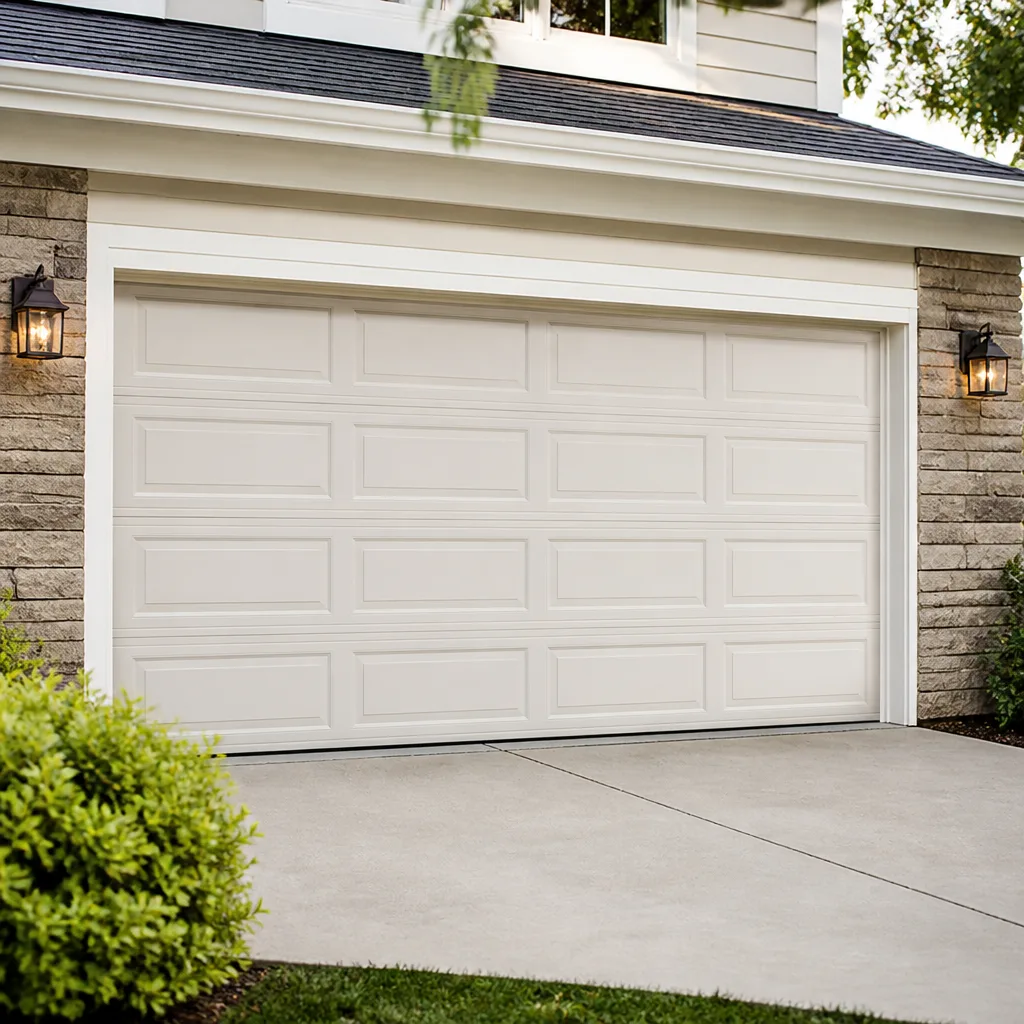 Raised-panel steel
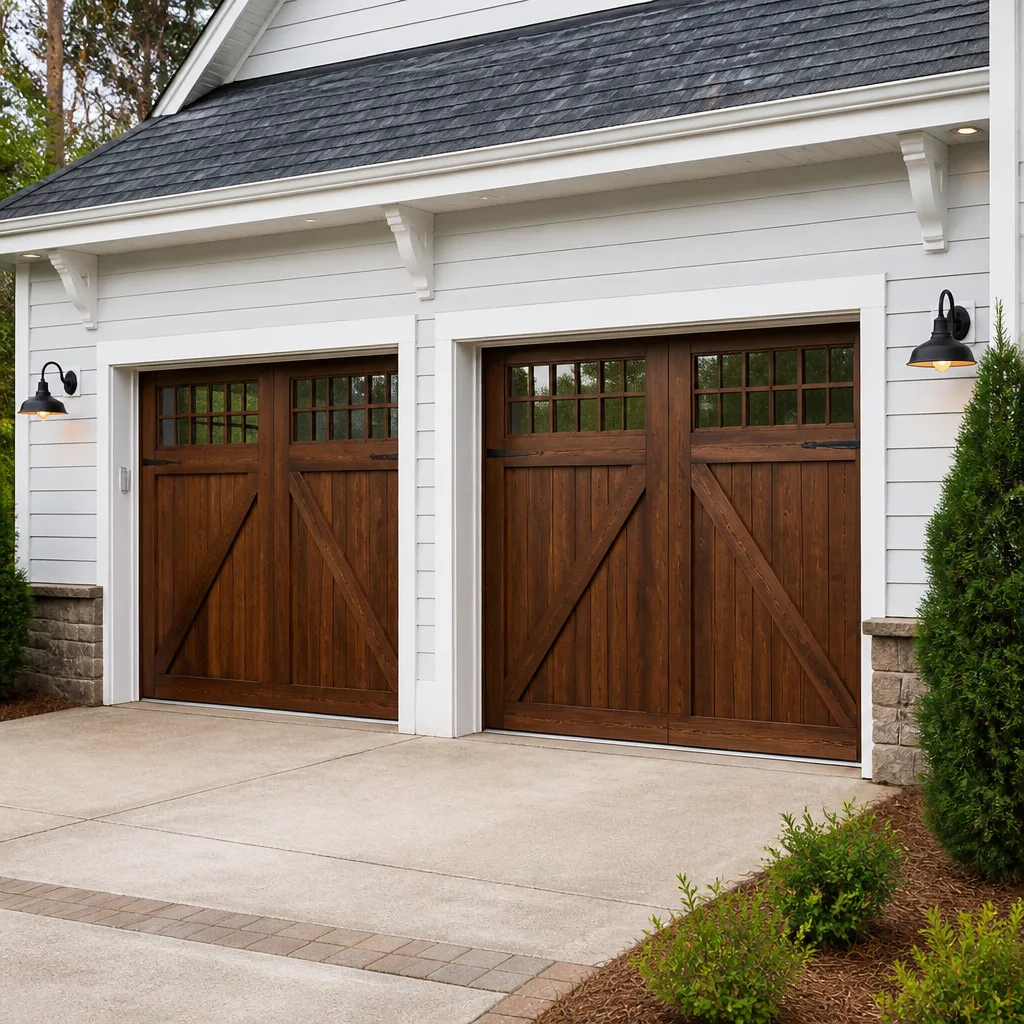 Carriage house
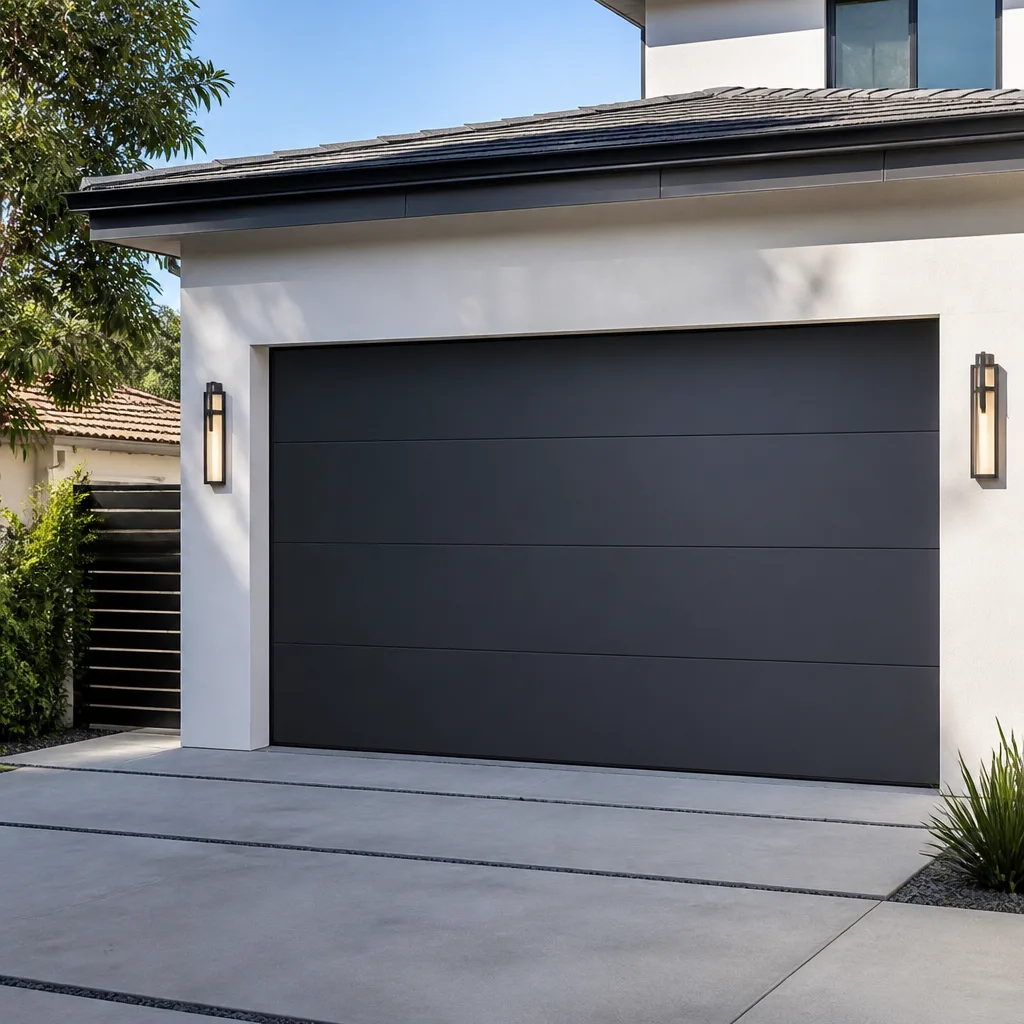 Modern flush
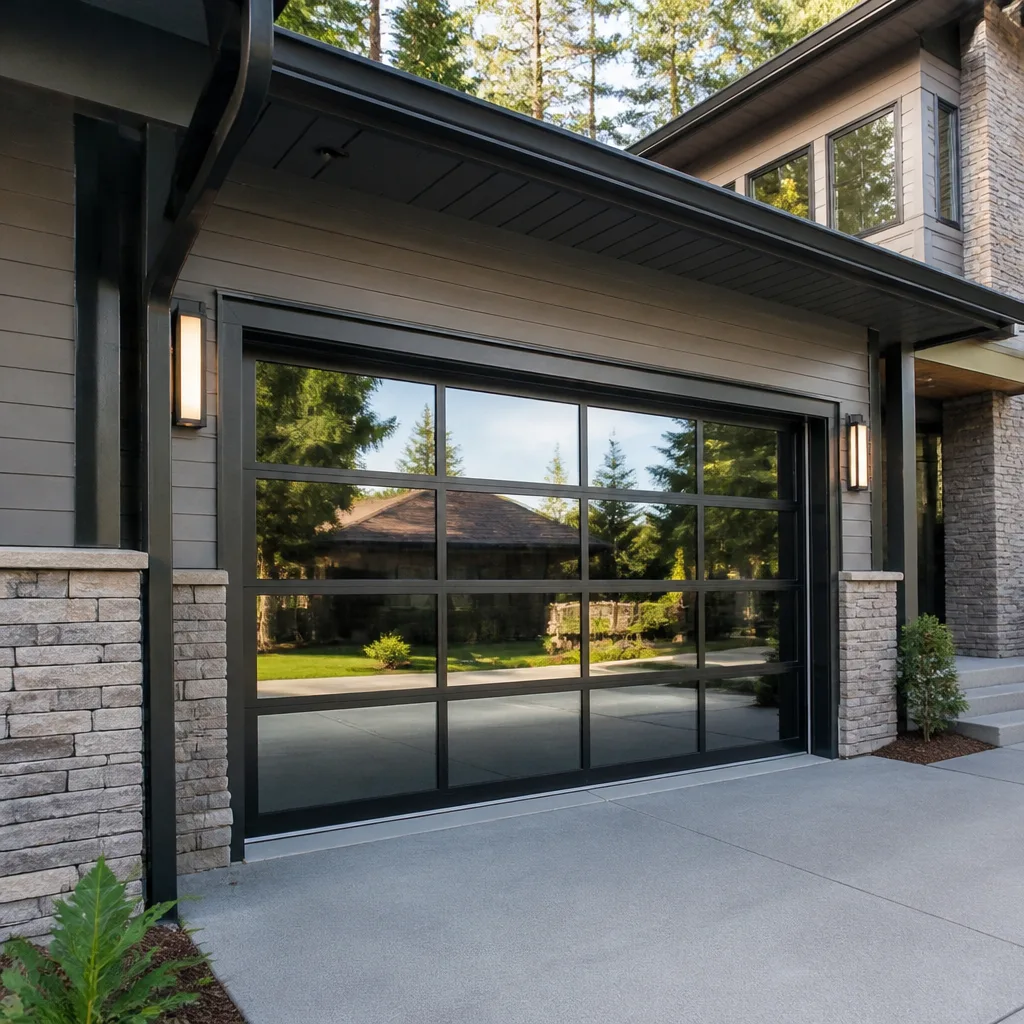 Full-view glass
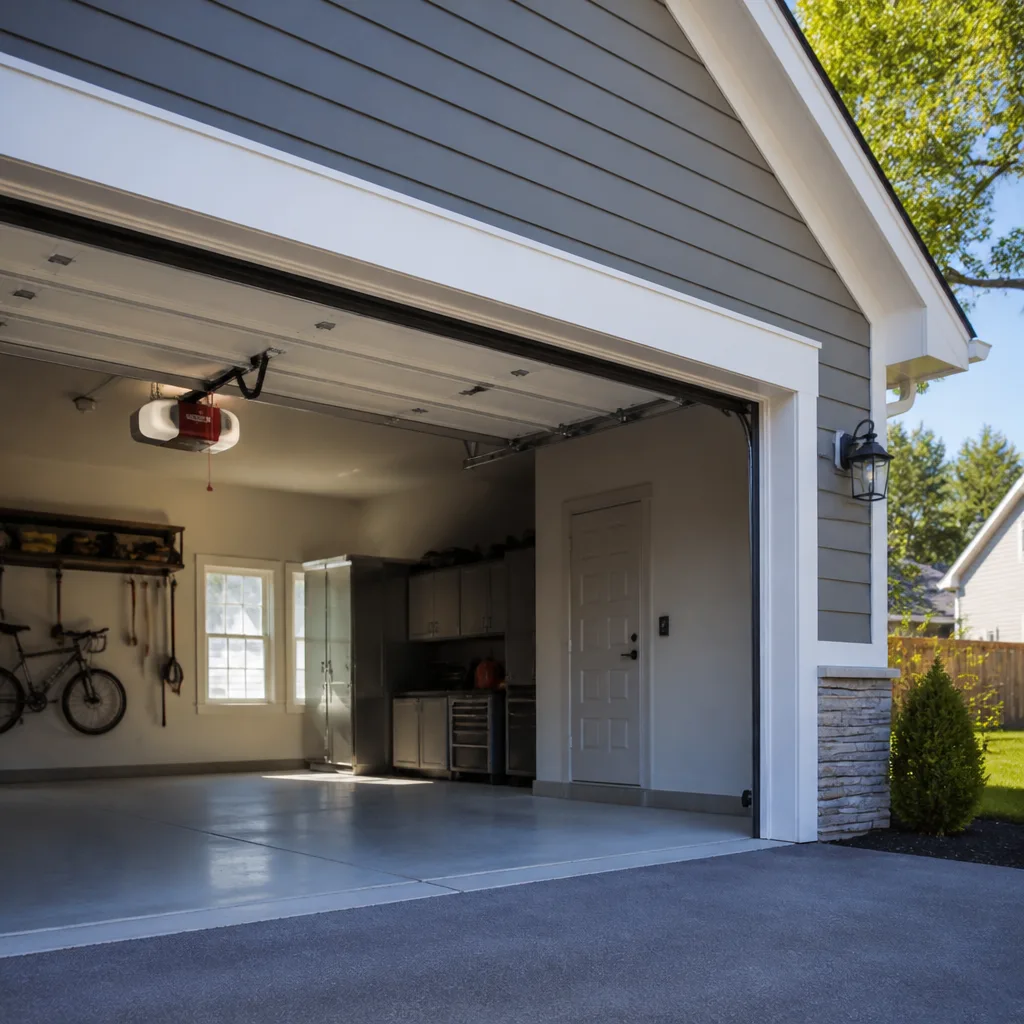 LiftMaster openers
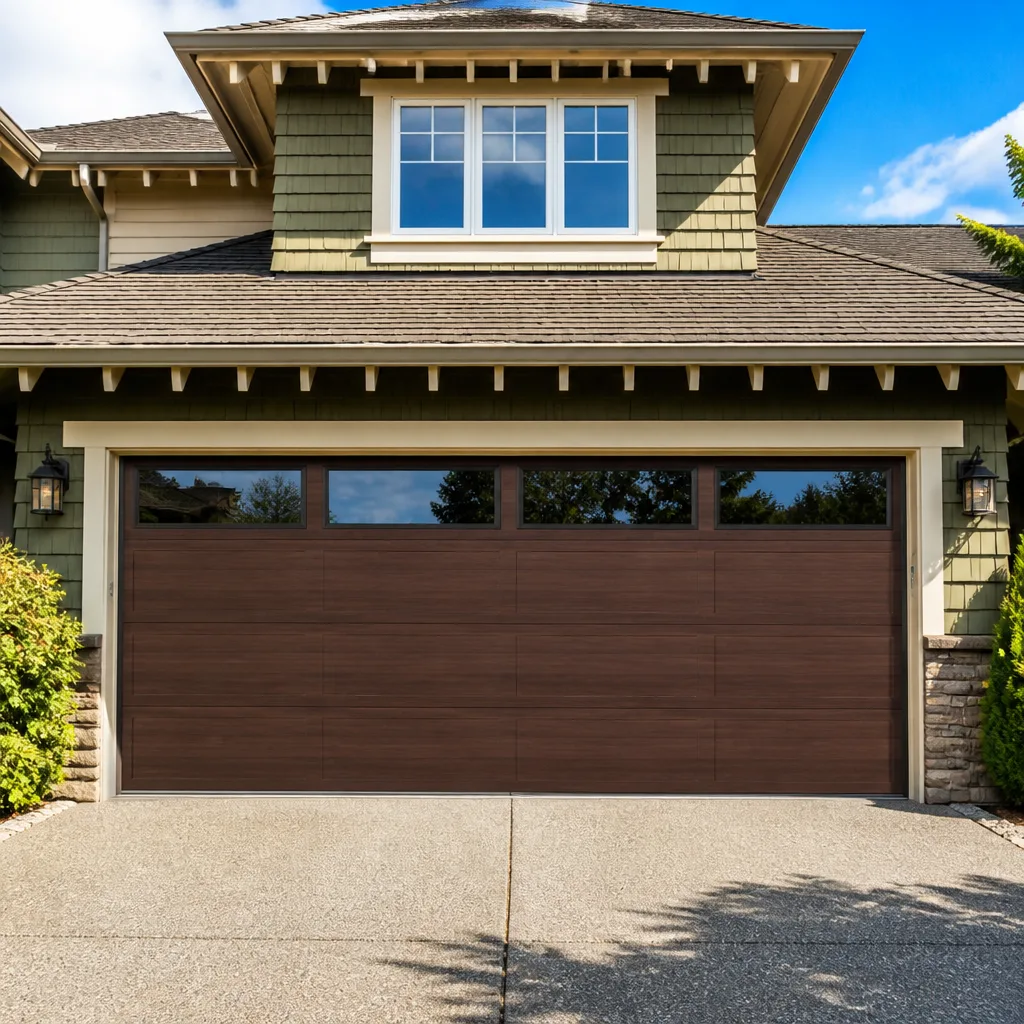 Chamberlain openers
Full 25-point door and opener safety check with every visit - springs, cables, rollers, tracks, and your LiftMaster or Chamberlain opener included
You get a price before we start. It does not change when the pro arrives.
Get your free estimateGarage Door Repair Maintenance Checklist for Tucson Homeowners
Most garage door maintenance checklists were written for a climate with four gentle seasons and a lot of rain. Tucson doesn’t have that climate. We have a long stretch of 100°F-plus heat, a monsoon season that arrives with wind and dust, and a mild winter that’s actually the best time to get ahead of problems. A spring lubrication reminder is useless if your rollers have already cracked from three straight months of peak heat. In this guide we sequence maintenance by what actually fails first here, and we tell you which tasks you can handle yourself and which ones belong to a trained technician. By the end you’ll have a desert-calendar plan you can actually keep.
Quick Answer
A Tucson garage door maintenance checklist should follow the desert calendar, not a generic four-season template: deep-clean and inspect before monsoon season, storm-check within 48 hours of a big wind event, lubricate and adjust during the mild winter, and check heat-stressed parts (rollers, seals, opener motor) through peak summer. Lubricate springs, hinges, and rollers every 6 months here rather than the national 12-month recommendation, and leave spring, cable, and opener-internals work to a licensed technician. Free estimates from Firstline Garage Door Repair are available across Tucson at (855) 632-1096.
Styles & brands we work with
- Raised-panel steel
- Carriage house
- Modern flush
- Full-view glass
- LiftMaster openers
- Chamberlain openers
Table of Contents
- Why Timing Matters More in Tucson Than Most Places
- The Four Phases of the Tucson Maintenance Calendar
- Heat-Specific Checks Most Checklists Skip
- What to Inspect Within 48 Hours After a Monsoon Storm
- Why Tucson Springs Need Lubricating Every 6 Months, Not 12
- The DIY/Pro Split, Honestly Explained
- A Simple Monthly Walk-Around
- Frequently Asked Questions
Why Timing Matters More in Tucson Than Most Places
Garage door failures don’t happen at random. They cluster around the conditions that stress the parts. In Tucson, those conditions are extreme dry heat for months, followed by a monsoon season of dust, wind-driven grit, and sudden humidity swings. A door that would limp along for years in a mild climate can fail fast here if the moving parts go dry and the seals bake out.
The key insight is that maintenance in Tucson is about protecting the system before the stress hits, not reacting after. The pre-monsoon window is the most valuable couple of weeks on the calendar because it’s the last chance to catch a worn roller or a loosening hinge before the wind and grit start working on it. Peak summer is when you want eyes on heat-sensitive parts. Winter is the easy stretch where adjustments and lubrication hold up best.
Here’s the priority order that matches our experience across Tucson:
- Springs and cables carry the door’s weight and fail toughest. Inspect, never DIY.
- Rollers and hinges wear out first in the heat and are the first thing you’ll hear.
- Weather seals and bottom rubber bake out in UV and lose their seal.
- Track alignment drifts with thermal expansion and monsoon grit.
- Opener motor and drive run hottest in summer and need airflow and lubrication.
Every local homeowner’s situation is a little different, from a newer home in the foothills to an older door in midtown, so treat this calendar as a starting rhythm, not a rigid rulebook. If a door is already making noise or running rough, garage door repair is the faster path than waiting for the next seasonal window.
The Four Phases of the Tucson Maintenance Calendar
Tucson really has four functional phases for a garage door: the dry spring build-up before monsoon, the monsoon months, the mild winter, and the peak-heat stretch of late spring and early summer. Assigning tasks to the right phase is what makes this checklist useful instead of overwhelming. Here’s how we’d sequence it.
- Pre-monsoon (late spring, before the storms): Deep clean the tracks, tighten every hinge and bracket you can safely reach, inspect rollers for cracks, check seals for UV cracking, and test the door’s balance by hand. This is the big-ticket inspection of the year. Call us if anything in the balance or spring check looks off.
- Monsoon (storm season): Storm-check after any significant wind event (see the 48-hour section below), clear grit from the tracks, and re-check the door’s travel for any drift. Keep the opener’s safety reverse test handy and run it after storms.
- Mild winter: Lubricate springs, hinges, and rollers, adjust the track for any expansion gaps, and refresh the bottom seal. This is when adjustments hold best because the metal isn’t expanding and contracting violently.
- Peak heat (late spring through summer): Check the opener motor’s temperature and cooling, look for UV degradation on the seal and panels, and watch for track gaps from thermal growth. Keep the door balanced and don’t force a struggling opener.
You’ll notice the heavy lifting lands in the shoulder seasons and the reactive checks land in the extremes. That’s deliberate. Doing the adjustment work when the metal is stable gives it the best chance of holding through the next stress period. We plan around this rhythm across Tucson, and it’s why a door that gets its pre-monsoon check tends to sail through the summer with fewer surprises.
Heat-Specific Checks Most Checklists Skip
Generic checklists are written for places where the biggest enemy is rain. Here in Tucson, sustained heat does things to a garage door system that a colder-weather checklist simply doesn’t mention. These are the checks we add that you won’t find on a standard list.
Opener motor temperature
An opener motor that runs hot is telling you something. Restricted airflow, a binding door, or a drive that’s working harder than it should all show up as heat. After a door cycle on a hot day, the motor housing should be warm but not uncomfortable to the touch, and it shouldn’t smell like hot electrical. If it does, stop running it and get it looked at. Overworked motors wear out premature. This is squarely in the opener territory we handle through garage door opener repair.
UV seal degradation
The bottom seal, the weatherstripping, and the plastic or composite parts take the sun every day. UV breaks down the rubber, and it goes from flexible to stiff to cracking. Push a thumb into the bottom rubber; if it doesn’t spring back, it’s gone. A cracked seal lets in dust, water, and insects, and it throws off the door’s contact with the ground.
Expansion-related track gaps
Metal grows when it gets hot. In a Tucson summer, the tracks can shift enough that you’ll see gaps at the joints or the door will ride slightly harder on one side. Run a hand along the track (carefully, away from the springs) and look for separation at the seams or a bend at the curve. A track that’s out of line scrapes the rollers and accelerates wear on everything downstream.
- Motor housing warm to the touch: normal. Hot, smelly, or grinding: investigate.
- Bottom seal stiff or cracked: replace before it costs you the seal.
- Track seam gaps or bowing: realign before rollers get chewed up.
- Panels that feel soft or bubbled: possible heat or moisture damage worth a pro look.
These three checks alone, done in peak heat, catch most of the failures we end up repairing across Tucson every summer.
What to Inspect Within 48 Hours After a Monsoon Storm
Monsoon storms bring wind, driving dust, and sudden moisture, and a garage door takes that on the most exposed face of many homes. The 48 hours after a significant storm are the window when you can catch damage before it turns into a bigger repair. Here’s what to inspect, in order.
- Look for impact and wind damage: Check the panels for dents, bowing, or misalignment, and look at the hardware for anything visibly bent or displaced. A door that’s been pushed off its track needs to be dealt with before you run it again.
- Clear the tracks of grit: Wind carries fine dust and debris into the tracks. Sweep or vacuum it out gently, then check that the rollers still ride smoothly. Never lubricate a dirty track; clean first.
- Test the balance by hand: Disconnect the opener and lift the door to about waist height, then let it go. It should hold roughly in place. If it slams down or runs away up, the balance is off and you should call before using the opener.
- Run the safety reverse test: Put an object in the door’s path and confirm the door reverses on contact. Monsoon grit or a shifted track can affect this, and it’s the single most important safety check on any opener.
- Check the seal and the wall around the door: Look for water intrusion at the bottom and the sides. A seal that was marginal before the storm may now be letting moisture in.
If anything in that list looks wrong, especially a door that’s off its track or a balance problem, don’t force it. Call (855) 632-1096. We answer 24/7, and fast dispatch from 7am to 7pm, Sunday through Friday gets a technician out to look at it.
Why Tucson Springs Need Lubricating Every 6 Months, Not 12
The national recommendation for lubricating torsion springs is usually once a year. In Tucson we recommend every 6 months, and the reason is simple: dry heat and dust accelerate wear on moving metal. A spring that’s fine on an annual schedule in a humid climate goes dry and starts grinding faster here because there’s less ambient moisture to slow the friction and more grit working its way in.
Lubrication on a torsion spring (the horizontal spring above the door) means a proper garage-door lubricant, applied thinly. It’s about keeping the coils sliding cleanly against each other, not soaking the hardware. Do this twice a year, ideally at the start of peak heat and again in the mild winter, and you extend the life of a part that’s expensive to replace and dangerous to touch. Never loosen, adjust, or try to wind a torsion spring yourself. The stored energy in a wound spring is enormous, and a spring or cable that lets go can cause serious injury. That part belongs to a trained technician, full stop.
Our technicians have up to 15 years of experience working on these systems, and the ones we replace most often here are the ones that never got lubricated. If you’re not sure what condition your springs are in, that’s a free estimate away. Call (855) 632-1096. We answer 24/7.
The same double-up logic applies to the wider hardware. Rollers, hinges, and the opener’s drive should get attention every 6 months too, which pairs naturally with the spring lubrication. If you’d rather hand the whole thing to someone, the Firstline Garage Door Repair team can do a seasonal inspection and tell you honestly what’s worth fixing versus what’s just due for maintenance.
The DIY/Pro Split, Honestly Explained
We’d rather you do the safe half of this checklist yourself and save your money for the parts that matter. Here’s the honest split, with the reasoning, not just a hedge.
Safe to do yourself:
- Wiping down and cleaning the tracks.
- Lubricating springs, hinges, rollers, and the opener’s drive with garage-door lubricant.
- Tightening hinges and brackets with a screwdriver, as long as the door is down and the opener is disconnected.
- Running the safety reverse test and the balance test.
- Replacing a worn bottom seal, if your door’s design makes that straightforward.
- Keeping the area around the opener clear for airflow.
Leave to a licensed technician:
- Any work on torsion springs or extension springs.
- Cables, drums, and anything under tension.
- Track realignment that requires loosening the track mounting.
- Opener internal repairs, gear and drive replacement, and electrical work.
- Panel replacement on steel, composite, or specialty doors from brands like Clopay or Amarr.
The line isn’t about liability for its own sake. It’s about stored energy. Springs and cables hold the full weight of the door, and releasing that energy incorrectly is how serious injuries happen. Everything else in the checklist is fair game for a careful homeowner.
A Simple Monthly Walk-Around
Between the seasonal deep checks, a five-minute monthly walk-around catches a lot of small problems before they grow. You don’t need tools for most of it. Just run through this list once a month.
- Listen: Open and close the door once. Grinding, squealing, popping, or a rattle that wasn’t there last month is a signal.
- Look at the door’s travel: Does it open and close smoothly and evenly, or does it hesitate or drift to one side?
- Glance at the tracks: Any visible bends, gaps at the seams, or debris?
- Check the seal: Does the door meet the ground evenly, with no light showing through at the bottom?
- Test the safety reverse: Put something in the path and make sure the door reverses.
- Look at the opener: Any blinking error lights, and is the motor running hot or making new noise?
Homes in older Tucson neighborhoods with original builder-grade doors and Craftsman or Genie openers tend to show wear faster on this walk-around, while newer doors from Wayne Dalton or Clopay systems often just need the basics kept clean and lubricated. Either way, consistency beats intensity.
See the difference
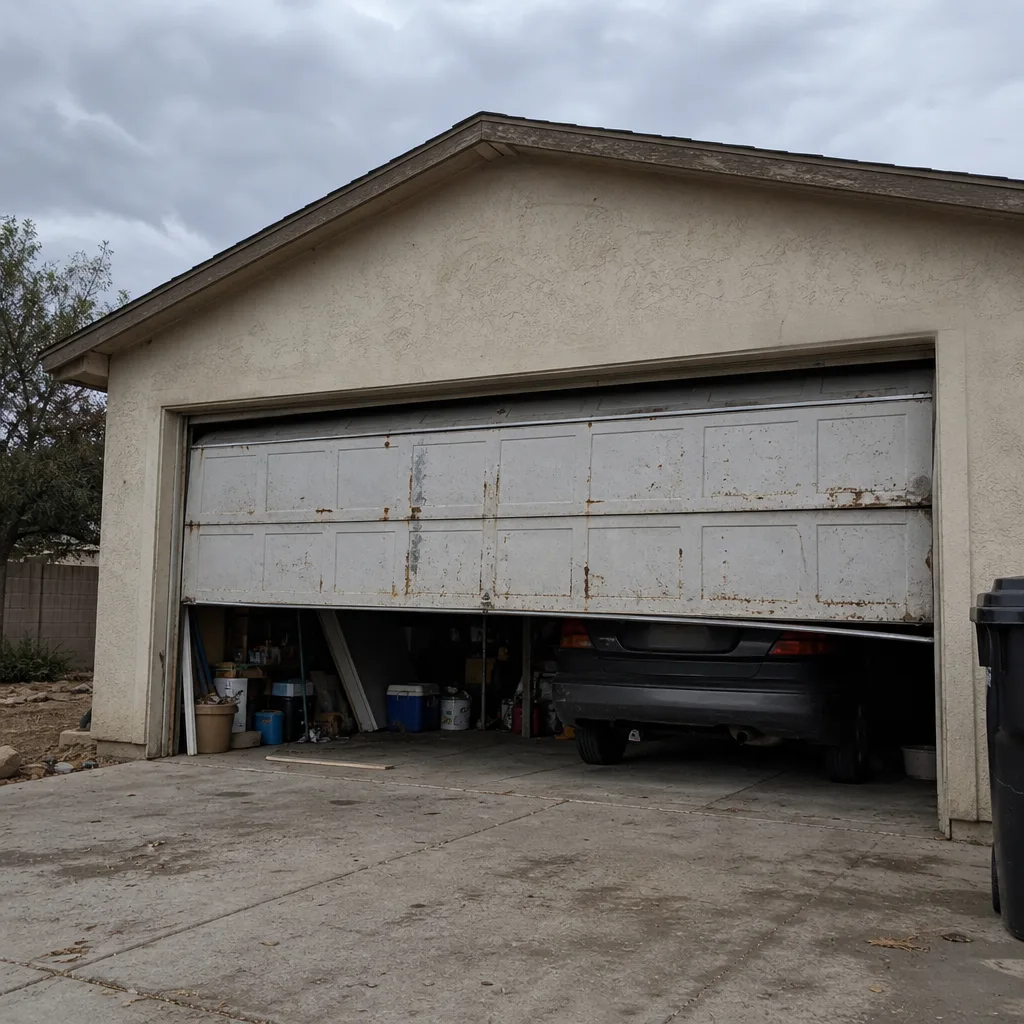 Before
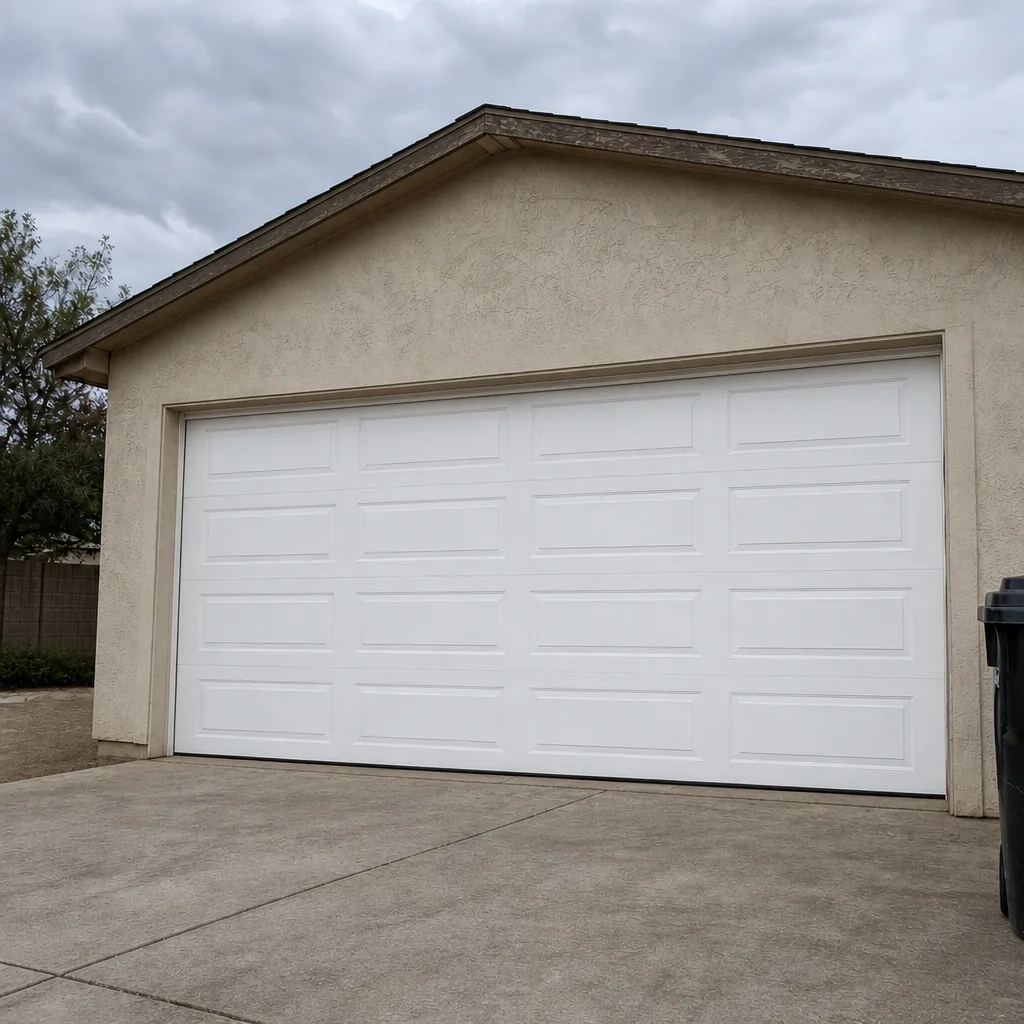 After
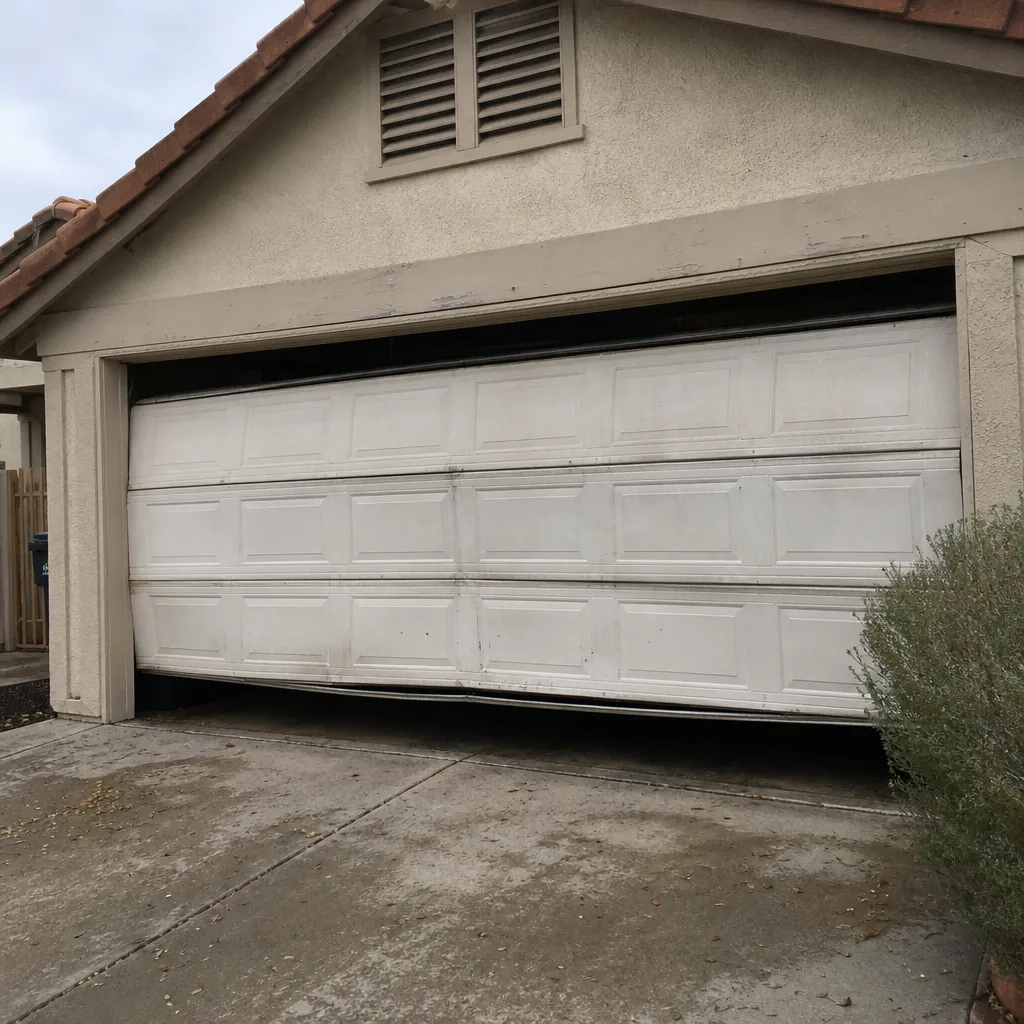 Before
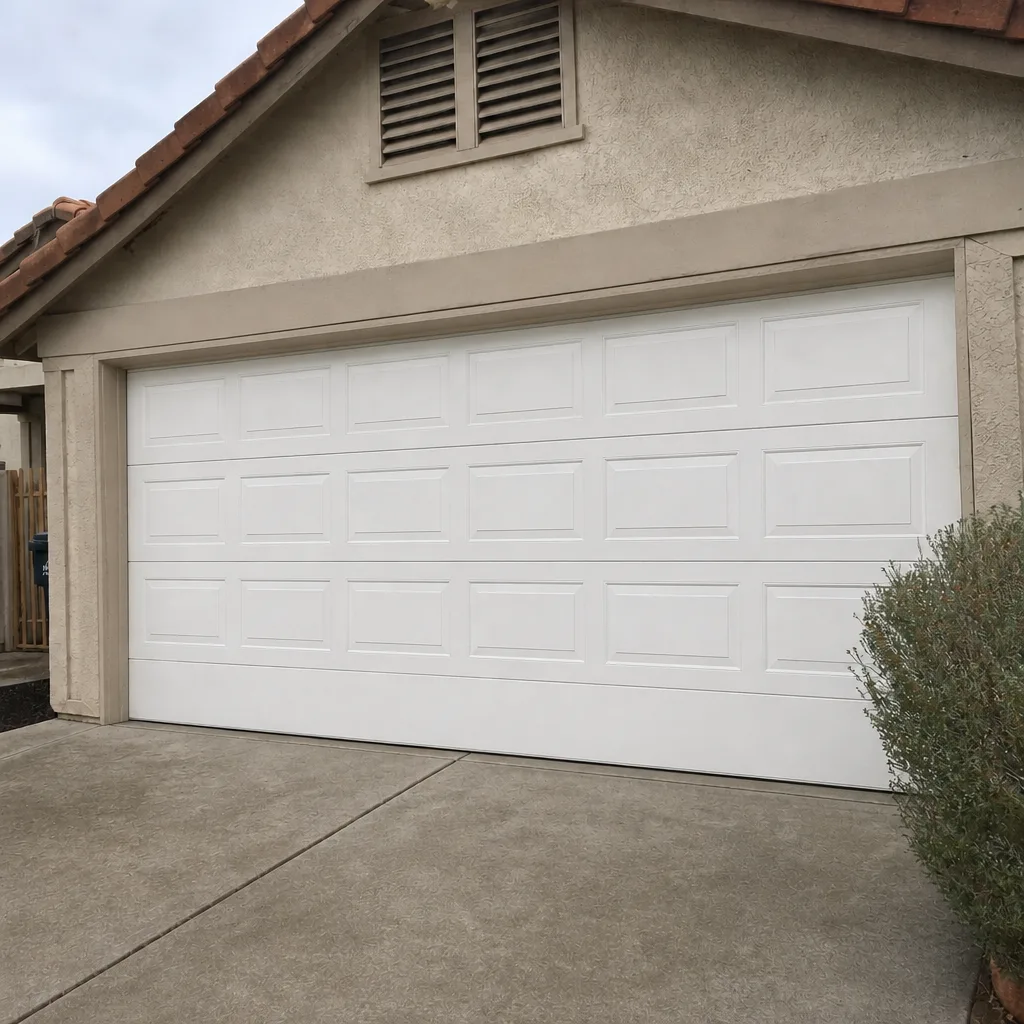 After
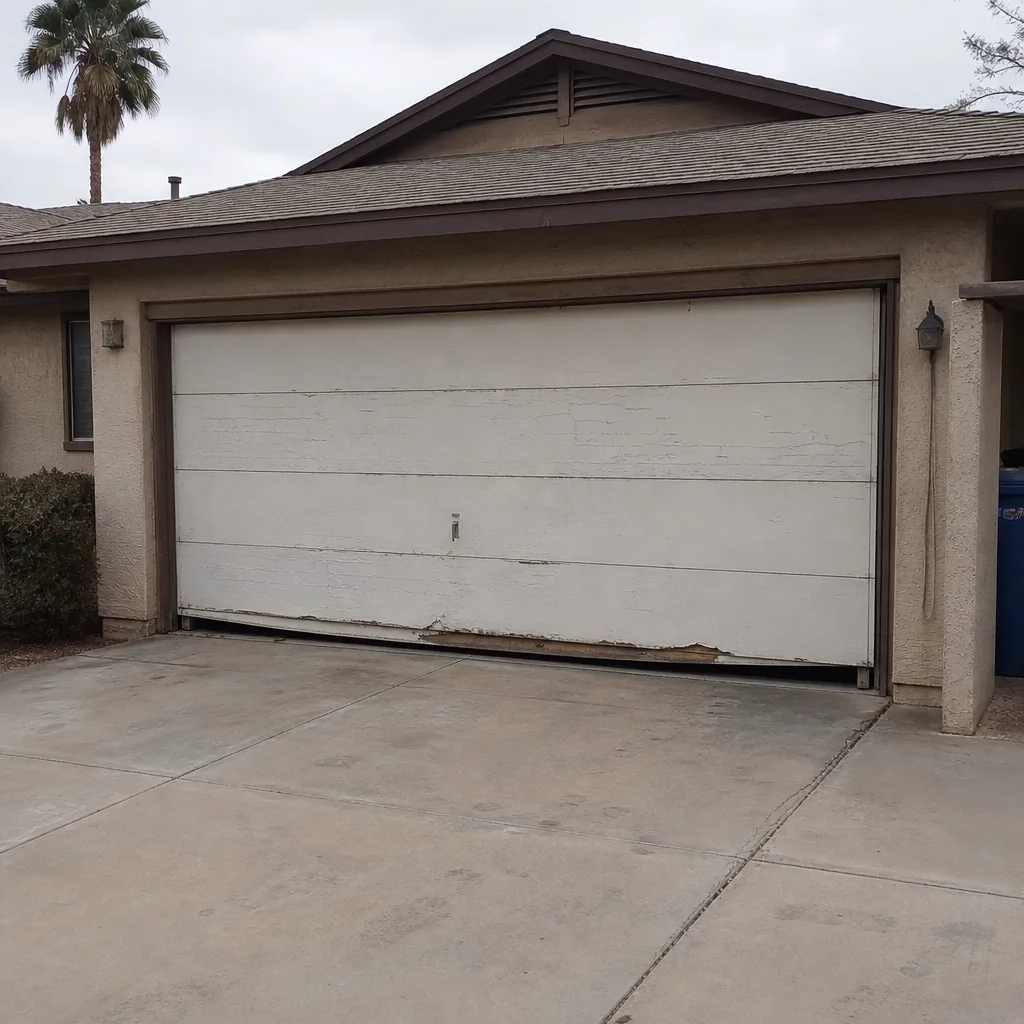 Before
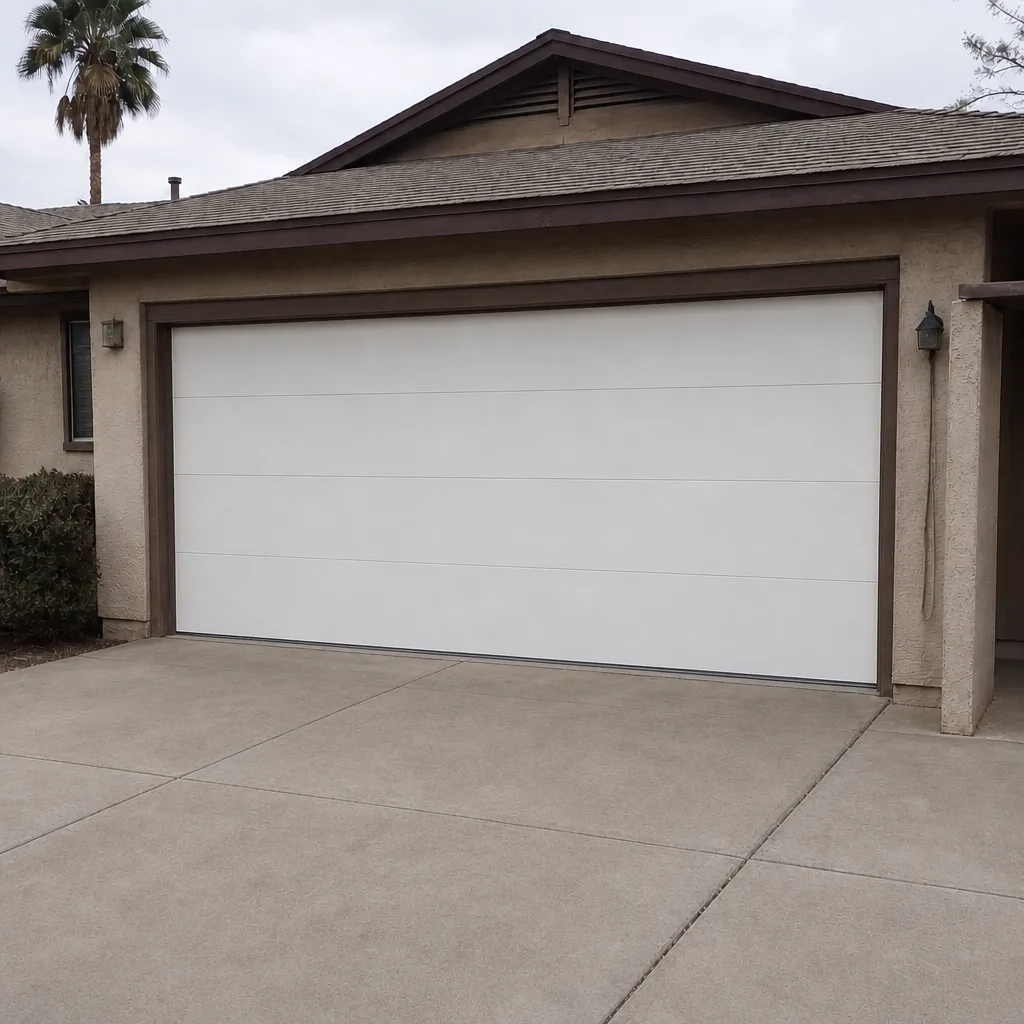 After
Common Mistakes to Avoid
- Following a national checklist on a Tucson schedule. A once-a-year lubrication plan written for a mild climate will let springs run dry through our summers. Re-sequence for the desert calendar.
- Lubricating a dirty track. Grit and lubricant make a paste that wears rollers faster. Clean first, then lubricate the moving parts, and keep grease off the track’s roll surface.
- Ignoring a hot or noisy opener. In peak heat, a struggling motor is a warning, not a quirk. Forcing it through the summer leads to bigger repairs.
- Adjusting or winding spring hardware yourself. This is the single most dangerous mistake on this list. Springs and cables store massive energy; they belong to a trained technician.
- Waiting until after monsoon to check the door. The pre-monsoon window is the one that prevents damage. Checking only after the storms means you’re already repairing.
- Assuming a cracked seal is cosmetic. In Tucson it lets dust and insects in, and it throws off the door’s contact with the ground. Replace it early.
- Skipping the safety reverse test. It takes seconds and it’s the most important safety function on the whole system.
When to Call a Professional
Some problems are maintenance and some are repair, and knowing the difference saves you time and money. Call a professional if the door is off its track, if the balance test fails, if you hear a loud pop and the door won’t lift, if a spring or cable looks broken or slack, if the opener runs but the door doesn’t move, if you see a bent track, or if the door reverses or stops for no clear reason. Also call if anything under tension looks wrong, because that’s not a DIY situation. Firstline Garage Door Repair offers free estimates in Tucson, and our technicians have up to 15 years of experience across every major brand you’re likely to own. Call (855) 632-1096. We answer 24/7.
Frequently Asked Questions
Service your garage door at least twice a year, with a lubrication and adjustment in the mild winter and a deep inspection before monsoon season. Tucson’s heat and dust wear parts faster than a mild climate, so a 6-month rhythm beats the national 12-month standard. If the door gets heavy use, bump the checks up. Call (855) 632-1096 for an exact quote on a service visit; estimates are free.
Yes, you can lubricate torsion and extension springs from the outside with a proper garage-door lubricant, as long as you don’t loosen, adjust, or wind anything. The dangerous part is the tension, not the oil. Never try to repair or adjust a spring or cable yourself; call a trained technician for anything under tension. Call (855) 632-1096 if you’re unsure what condition your springs are in; estimates are free.
Check the panels for impact or wind damage, clear grit from the tracks, test the door’s balance by hand, run the safety reverse test, and look for water intrusion at the seal. The 48 hours after a significant storm are the best window to catch damage before it grows. If the door is off its track or the balance fails, call (855) 632-1096 and we’ll book a look.
A closed Tucson garage can get hot enough in peak summer to stress the opener motor, the seals, and the hardware, so yes, it matters for maintenance. Keep the area around the opener clear for airflow, check the motor’s temperature after a cycle, and watch for UV-cracked seals through the hot months. If your opener runs hot or noisy, call (855) 632-1096 for a free estimate.
Most residential garage door repairs in Tucson fall in the range of a few hundred dollars, depending on the part and the door; a spring replacement is priced per spring, and a matched pair is usually replaced together, so a pair costs about twice a single. The written estimate sets the final price, and it’s agreed before any work starts. Call (855) 632-1096 for a free estimate on your specific door.
Yes, the technicians we connect you with are state-licensed and insured for residential garage door and opener work. They’re trained across the major door and opener brands homeowners actually own, so they diagnose the system in front of them rather than steering you to a replacement. Call (855) 632-1096 for a free estimate in Tucson.
In most cases a door can be repaired rather than replaced, which is the approach we lead with. Panels, hardware, springs, and opener issues are all fixable, and replacement makes sense mainly when the structure or multiple panels are beyond repair. Get a free inspection first. Call (855) 632-1096 and we’ll tell you honestly what’s worth fixing.
The Bottom Line
A garage door maintenance checklist for Tucson only works if it follows the desert calendar. Clean and inspect before monsoon, storm-check within 48 hours of a big wind event, lubricate and adjust in the mild winter, and watch heat-sensitive parts through peak summer. Lubricate springs and hardware every 6 months here, keep the tracks clean, and never touch spring or cable tension yourself. Anything under tension belongs to a trained technician. Keep that rhythm, and you’ll spend far less on repairs and get more years out of the door you already have. Firstline Garage Door Repair offers free estimates across Tucson, and our technicians have up to 15 years of experience with the brands you own. Call (855) 632-1096. We answer 24/7. Fast dispatch from 7am to 7pm, Sunday through Friday.
Written by the team at Firstline Garage Door Repair.