
Last updated November 15, 2026
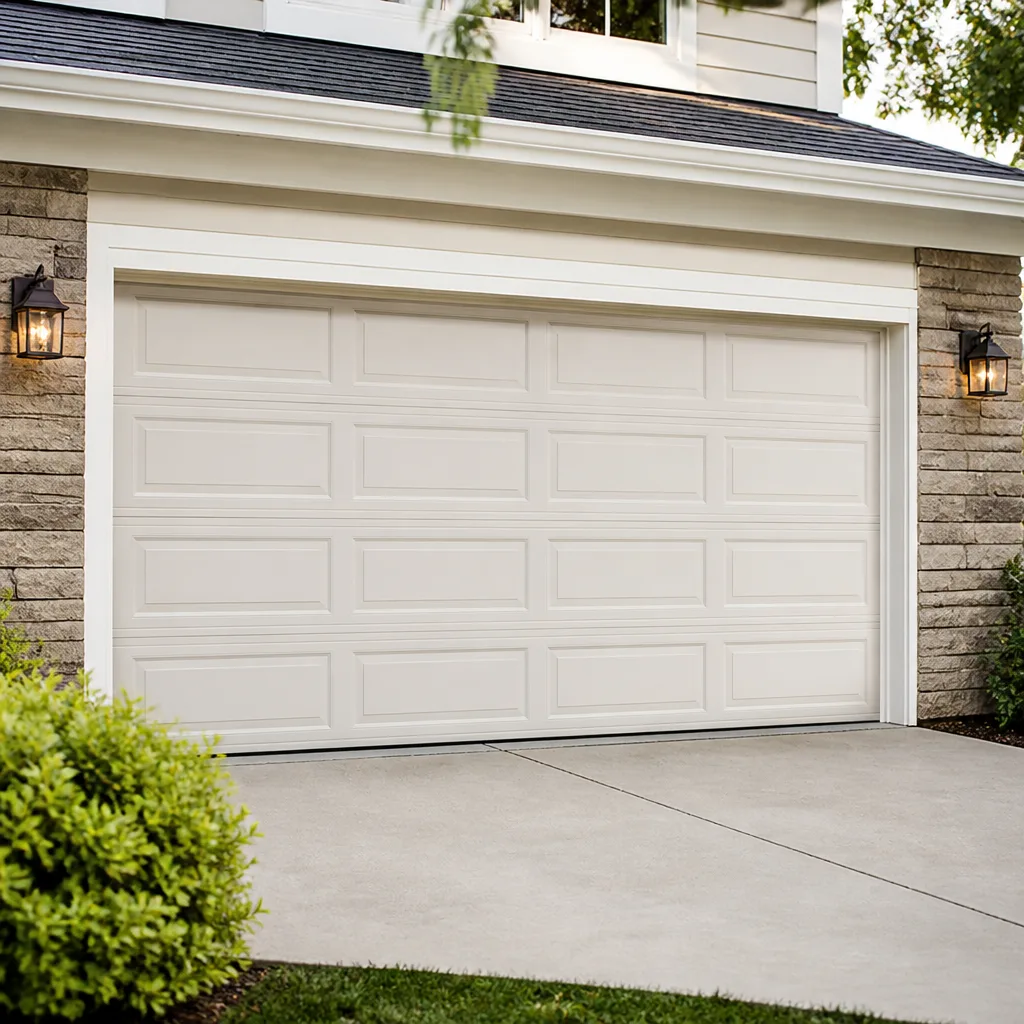 Raised-panel steel
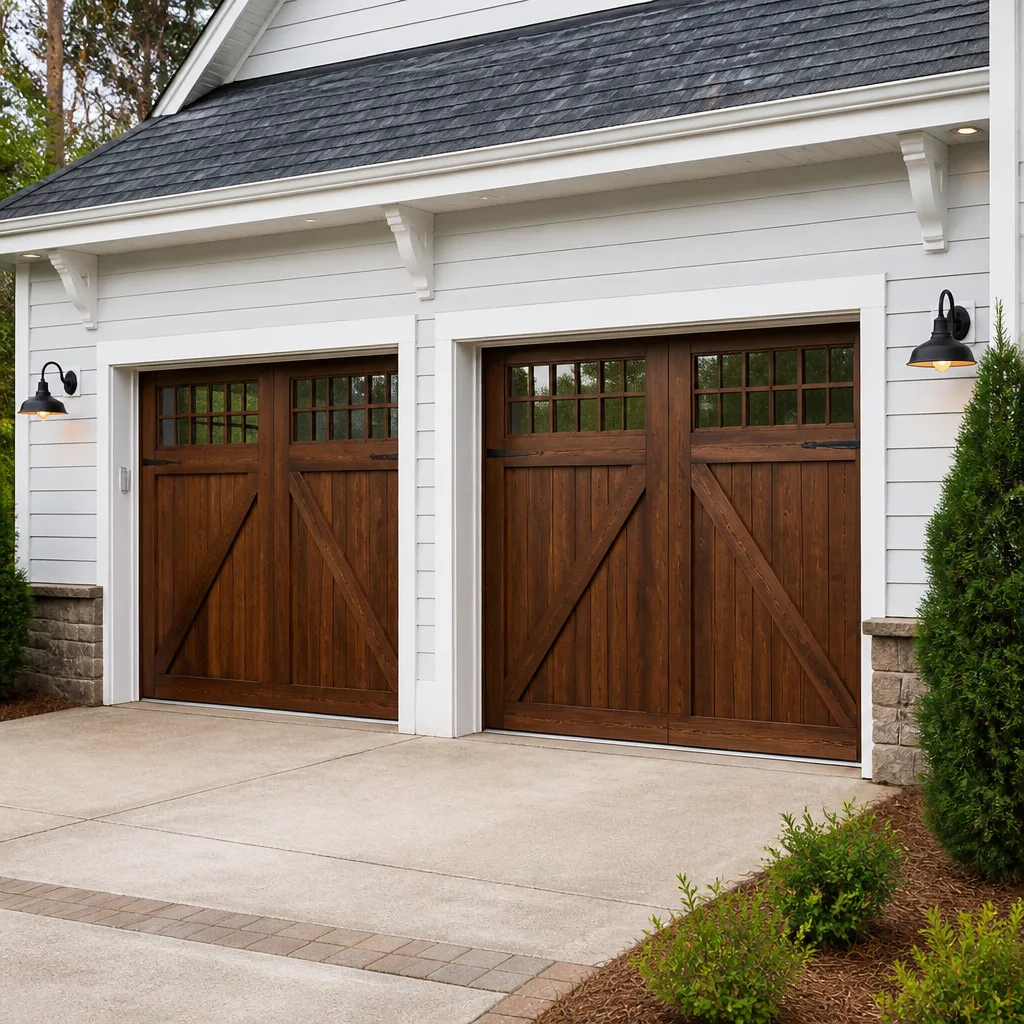 Carriage house
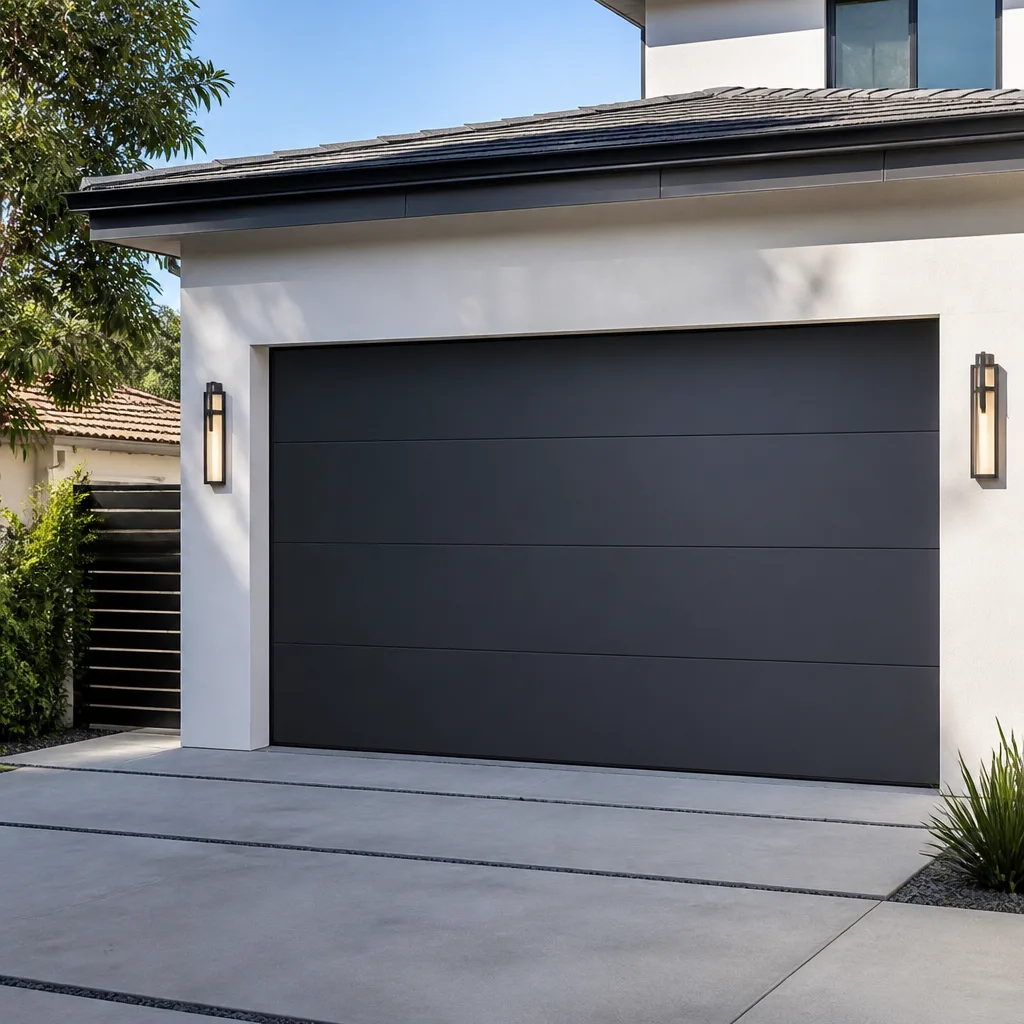 Modern flush
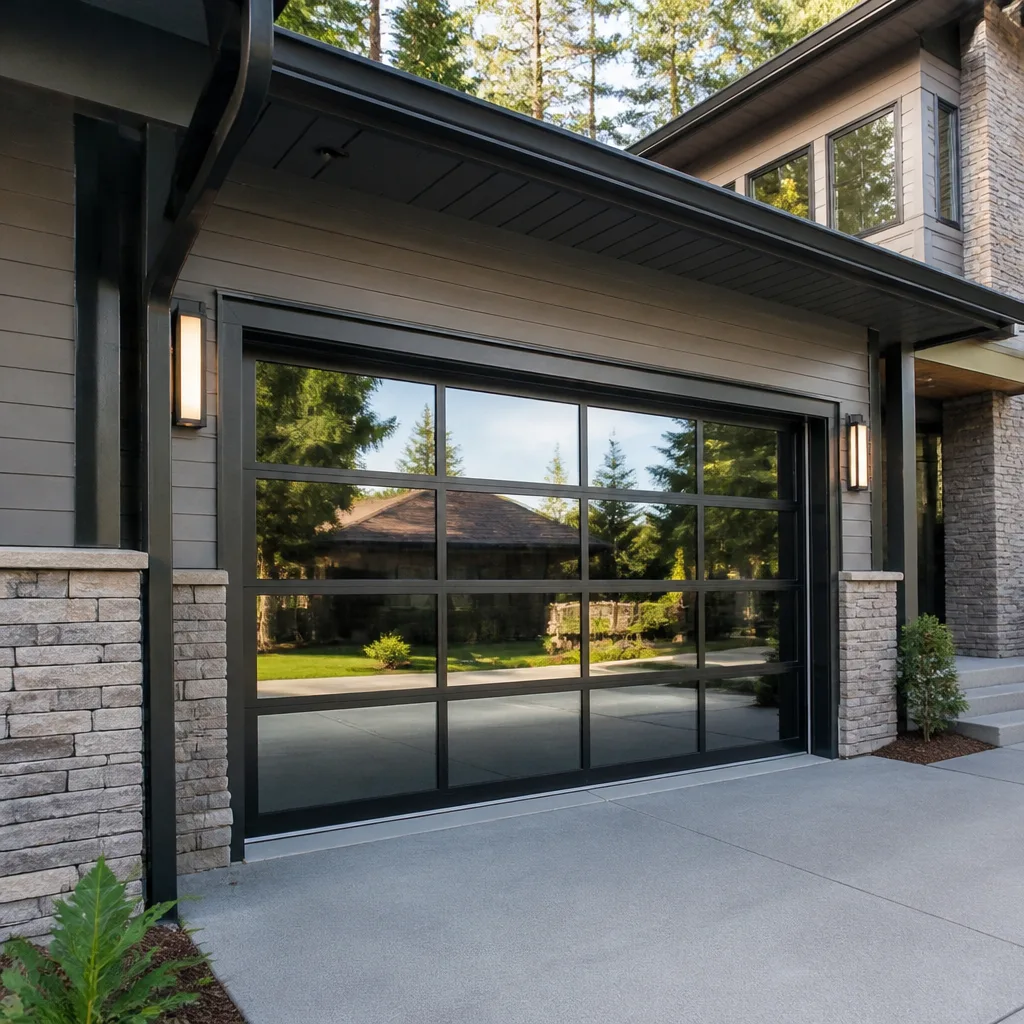 Full-view glass
 LiftMaster openers
 Chamberlain openers
Full 25-point door and opener safety check with every visit - springs, cables, rollers, tracks, and your LiftMaster or Chamberlain opener included
You get a price before we start. It does not change when the pro arrives.
Get your free estimateGarage Door Repair Maintenance Schedule: What to Do and When
Most national garage door maintenance advice tells you to lubricate twice a year and call it done. That schedule was written for a mild four-season climate, and it undersells what a garage door in Tucson actually goes through. Metal expands and contracts harder here. A door that bakes through a 110°F summer afternoon and then cools into a 35°F winter night is working its springs, cables and rollers through a wider temperature swing than the same door in a moderate climate, and those parts tire faster because of it. This guide builds a maintenance calendar around the desert heat cycle, not a generic template. You’ll get specific tasks, the right lubricants for each component, realistic time estimates, and a parts lifespan table so you can plan replacements before they strand you.
Quick Answer
A garage door in Tucson needs about 25 minutes of homeowner maintenance twice a year: a full lubrication and safety check in April before the heat peaks, and a track-and-rust inspection in October after the monsoon season. Beyond that, a professional inspection once a year catches spring wear, cable fraying and opener strain that you can’t see without removing panels. Replace springs every 7 to 10 years, rollers every 5 to 7, and expect your opener to last 10 to 15 years with regular service.
Styles & brands we work with
- Raised-panel steel
- Carriage house
- Modern flush
- Full-view glass
- LiftMaster openers
- Chamberlain openers
Table of Contents
- Why Tucson’s climate changes the schedule
- April: pre-summer prep
- October: post-monsoon check
- Winter: the low-effort months
- Which lubricant goes where (and why not WD-40)
- Component lifespan table
- What a professional inspection catches
- Common mistakes to avoid
Why Tucson’s climate changes the maintenance schedule
Garage door parts are metal under tension, and metal under tension behaves differently when the temperature swings hard. Springs in Tucson lose tension faster than springs in moderate climates because the metal expands through the summer heat and contracts through the cool winter nights, and every cycle works the spring a little further toward failure. The same goes for the torsion assembly, the hinges and the rollers. That’s the core reason a national “lubricate in spring and fall” reminder isn’t enough here.
The second factor is dust. Tucson sits in a desert basin, and the fine grit that blows through a garage gets into roller bearings and track channels. Dry, dusty rollers grind rather than roll, and a grinding roller wears the track it rides in. A door that squeals or shudders in Tucson is often telling you the rollers need attention, not that the whole door is failing.
The third factor is monsoon humidity. From roughly July into September, the air gets heavy and damp, and any bare metal on the door’s hardware, hinges or track can start to show surface rust. It usually doesn’t destroy anything, but it does need to be caught and cleaned before the next dry season locks it in.
So the calendar here runs on two anchors: a pre-summer prep in April, before the worst heat arrives, and a post-monsoon inspection in October, after the humidity has had its turn. Everything else fills in around those two.
April: pre-summer prep
April is the single most important maintenance window in Tucson. The heat hasn’t peaked yet, so you can work comfortably, and you’re giving every moving part a fresh coat of the right lubricant before the hard summer cycling begins. A full April pass takes about 25 minutes for a homeowner who knows what to check, and it’s the one appointment worth keeping on the calendar.
Here’s what April prep looks like in order:
- Lubricate the torsion spring and any extension springs with a light spray lubricant, working a thin coat into the coils. Don’t overdo it; a thin film is enough.
- Lubricate the hinges at each pivot point, one small shot per hinge.
- Lubricate the rollers where the stem meets the roller body, not the track itself.
- Lubricate the opener’s chain or screw drive with the lubricant your opener manufacturer specifies.
- Inspect the weather seal along the bottom of the door and along the sides. In Tucson, the bottom seal takes the worst sun exposure and hardens or cracks first.
- Test the auto-reverse by placing a small object in the door’s path and confirming the door reverses. Test the photo-eye safety sensors by blocking them with your hand.
- Listen as the door opens and closes. A new squeal, grind or rattle in April is telling you something you’ll want fixed before July.
April is also the right month to check the condition of the bottom weather seal before the summer sun hardens it. A cracked seal lets dust in and lets cool air out, and it’s cheap to replace while everything is accessible.
October: post-monsoon check
October is the second anchor point. Monsoon humidity has been working on the door’s hardware for months, and now the air dries out. This pass is mostly about cleaning up what the wet season left behind and checking for alignment drift, because a door that was riding clean in April can pick up a track problem after a summer of temperature swings.
October check, in order:
- Look for rust spots on hinges, track, spring coils and any bare metal. Clean light surface rust with a fine abrasive pad and coat the spot immediately with lubricant.
- Check track alignment by watching the door travel through its full cycle. The door should move without the panels wobbling or the rollers binding at any point.
- Wipe the track channels clean. Grit and dust in a dry desert climate are normal; the goal is to clear them before the winter dry season packs them down.
- Re-check the weather seal after summer sun exposure. Arizona sun is hard on rubber and vinyl, and a seal that looked fine in April can be brittle by October.
- Test the opener’s force setting by confirming the door reverses cleanly. If the door hesitates or the opener strains, that’s an early signal the opener itself may need attention.
The October pass takes about 25 minutes too. It’s the step most homeowners skip, and it’s the one that catches the problems that would otherwise show up as a spring failure in the middle of summer.
Winter: the low-effort months
Winter in Tucson is mild, and that makes it the quietest stretch on the maintenance calendar. You don’t need a full 25-minute pass in December or January, but you do want a five-minute monthly glance. Open and close the door a couple of times and listen. Look at the bottom seal for any new cracking. If anything sounds different than it did in October, note it and address it.
This is also the season to plan ahead on replacements. If your springs are pushing 7 to 10 years old, or your opener is into the 10 to 15 year range, winter is a good time to get ahead of a failure before summer heat accelerates the wear. When you’re ready to look at repair options, our garage door repair page covers what each fix involves.
One thing not to do in winter: assume the mild weather means nothing needs checking. Metal still expands and contracts across the daily swing in Tucson, and a spring that’s near the end of its life doesn’t care which month it fails in.
Which lubricant goes where (and why not WD-40)
The single biggest maintenance mistake we see in Tucson is reaching for WD-40 on a garage door. WD-40 is a solvent-based product meant to displace moisture and cut through rust; it isn’t a lubricant that stays on a moving part. Spray it on a torsion spring and it’ll dry out within days, leaving the metal drier than before. The right products are white lithium grease and silicone spray, used in specific places.
Here’s the component-by-component guide:
- Torsion spring and extension springs: light coat of white lithium grease or a spray lubricant designed for garage door springs. A thin film, not a heavy layer.
- Hinges: white lithium grease at each pivot. It stays put better than a thin oil.
- Rollers (metal): a few drops of light oil or spray lubricant at the stem, where the roller body meets the bracket.
- Rollers (nylon): no lubricant. Nylon rollers run dry by design, and adding oil attracts dust in a desert environment and causes them to grind.
- Track: nothing. Clean the channel, don’t lubricate it. A lubricated track collects grit in Tucson’s dust and makes the rollers bind.
- Opener chain or screw: the lubricant your opener manufacturer specifies for that drive type. A Craftsman chain drive and a LiftMaster belt drive want different products, so check the manual before you spray.
If you’re unsure which you have, that’s a good reason to have us look. We work on all the major opener and door systems, so a quick look tells us what your system wants. If you’d rather get the opener checked directly, our garage door opener repair page walks through opener-specific issues and fixes.
Component lifespan table
Knowing roughly how long each part lasts lets you plan replacements before they become emergencies. These are typical ranges for garage doors in Tucson’s climate; your mileage depends on how often the door runs, whether it’s insulated, and how faithfully it gets lubricated.
- Torsion springs: 7 to 10 years
- Extension springs: 7 to 10 years
- Cables: 10 to 15 years
- Rollers: 5 to 7 years
- Hinges: 10 to 15 years
- Weather seal: 3 to 5 years
- Opener (motor and control board): 10 to 15 years
- Photo-eye safety sensors: 8 to 12 years
Two notes on this table. First, spring lifespan in Tucson tends to land toward the lower end of the range because of the temperature cycling, not the upper end. Second, cables and springs are linked; a spring that fails can throw strain onto the cables, so when one goes, the other is worth checking. Both springs on a two-spring door usually get replaced together, so plan for a pair rather than a single.
What a professional inspection catches
A homeowner can do a lot in 25 minutes, but there are things a trained technician catches that you physically can’t without removing panels. This is where the annual professional visit earns its keep. Our technicians have up to 15 years of experience and they’ve seen what a failing spring, a worn cable, or a tired opener looks like at each stage of wear.
Here’s what a professional inspection looks at that a homeowner can’t confirm:
- Spring tension balance: a technician can measure whether the spring is holding the door’s weight evenly, which is nearly impossible to judge by eye or by feel alone.
- Cable condition under the panel: cables can fray or corrode where they run behind the door panel, out of sight.
- Opener force and travel settings: the opener’s internal settings can drift, and confirming them requires a trained eye and sometimes a manufacturer’s diagnostic tool.
- Panel and hinge integrity: a technician can check whether the hinges and the door panel are structurally sound, which matters for the door’s balance and safety.
- Track and roller wear under load: the way a roller behaves when the door is fully loaded is different from how it behaves when you’re watching it move slowly.
When a technician finds something, you’ll get a written recommendation before any work starts. The written estimate sets the price, and we quote it before we touch the door. That’s the same whether you’re in the foothills or on the east side. If you want a broader look at what our service covers, our Firstline Garage Door Repair page has the full picture of repair, opener repair and installation.
Common mistakes to avoid
- Using WD-40 on moving parts. It’s a moisture displacer, not a lasting lubricant. It dries out fast in Tucson’s heat, leaving springs and hinges drier than before. Use white lithium grease or silicone spray instead.
- Lubricating the track. Dust and grit in Tucson collect on a lubed track and turn the rollers into grinding pieces. Clean the track, don’t oil it.
- Waiting for a failure to schedule maintenance. A spring that fails in July heat is a much bigger disruption than a spring replaced in April before it breaks. Annual inspections catch wear early.
- Skipping the October check. The monsoon humidity leaves rust and alignment issues that most homeowners never look for. October is the season to catch them.
- Replacing one spring when the other is the same age. Springs on a two-spring door wear together. Replacing a single spring usually means the other fails within months, and you’ll pay for two service calls. Replace the pair.
- Ignoring a change in sound. A new squeal or grind is a signal, not a quirk. Address it before it becomes a cable or a spring failure.
- Trying to adjust the torsion spring yourself. Torsion springs and the counterbalance system are under extreme tension. A mistake can cause serious injury. This is the one job that should always go to a trained technician.
See the difference
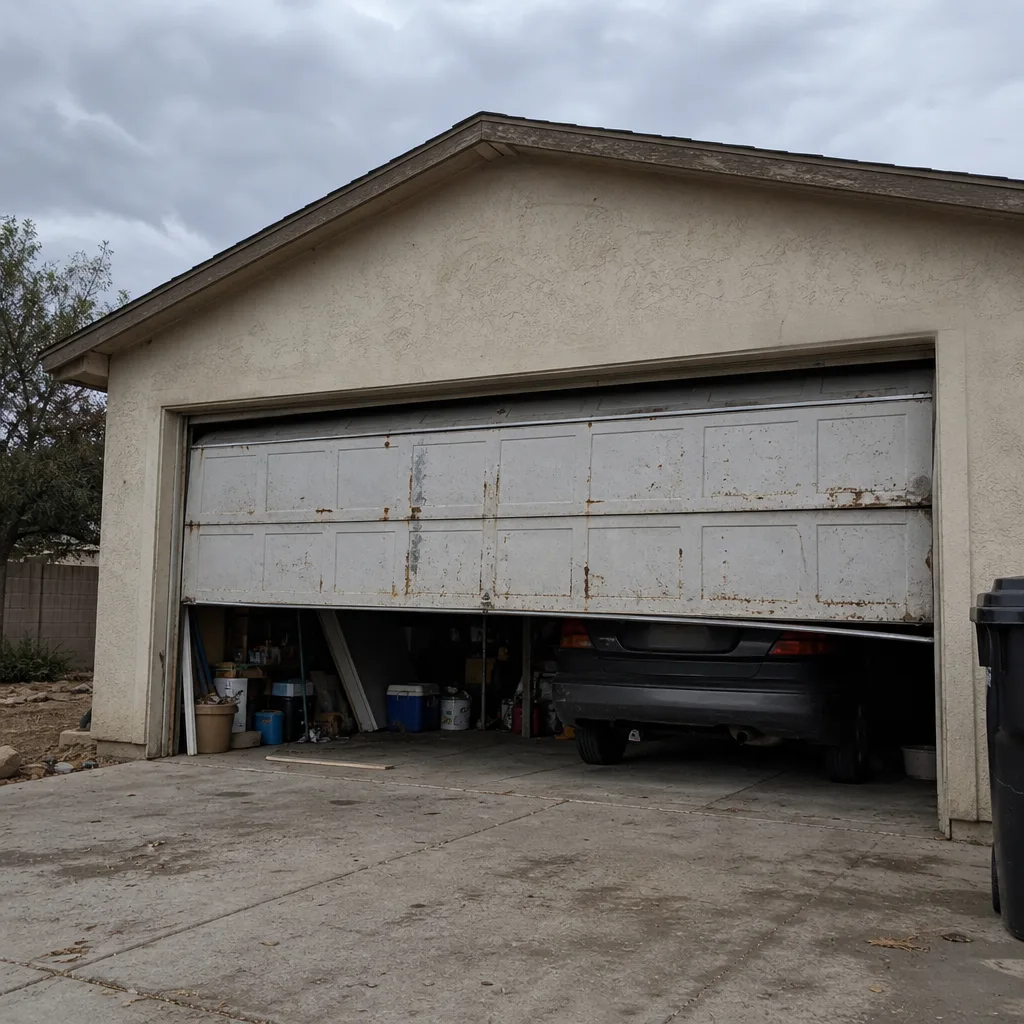 Before
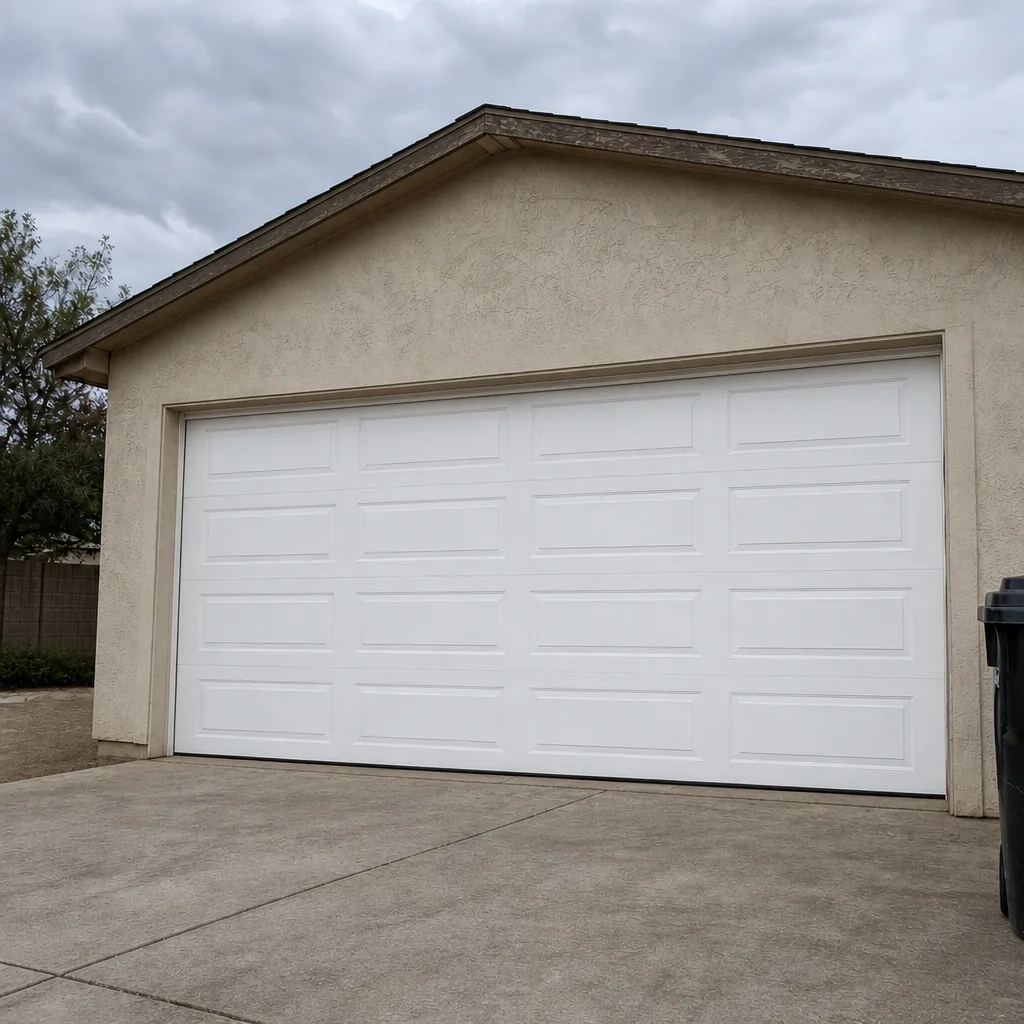 After
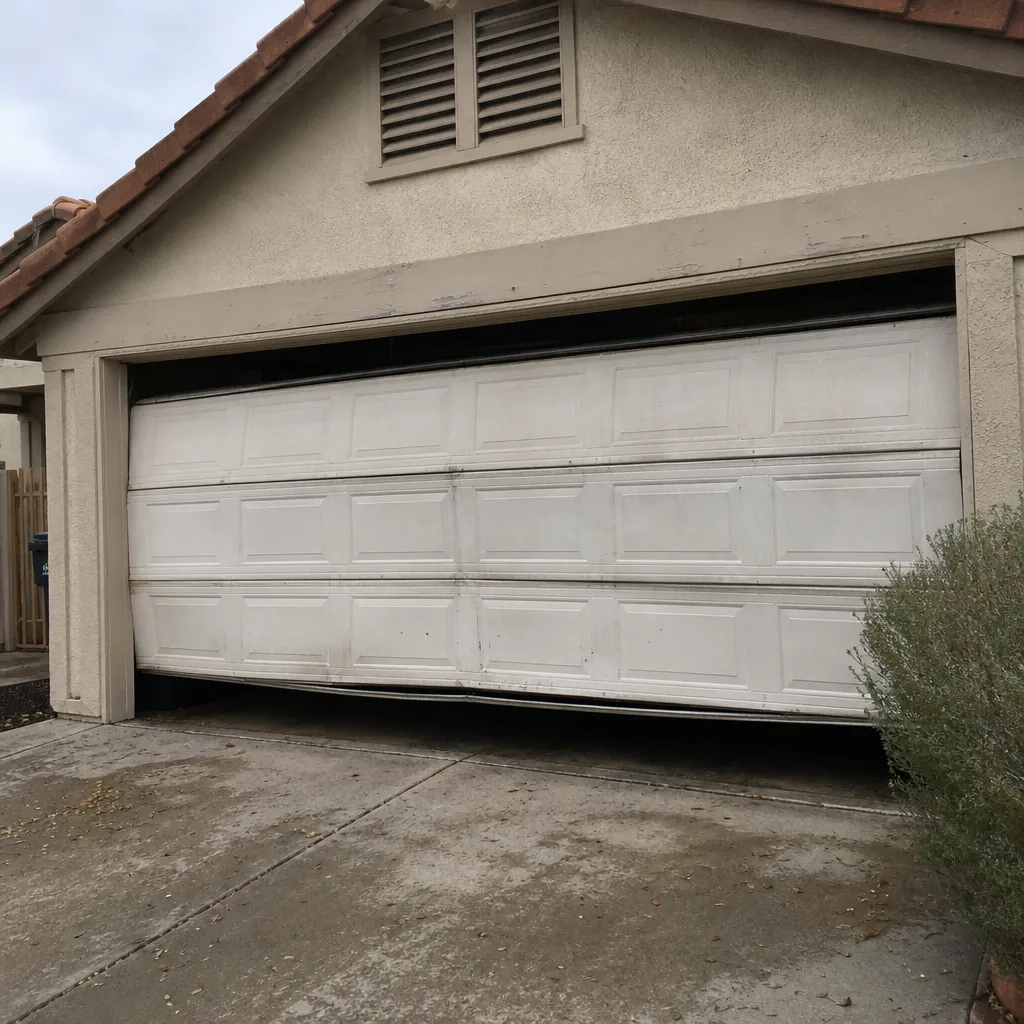 Before
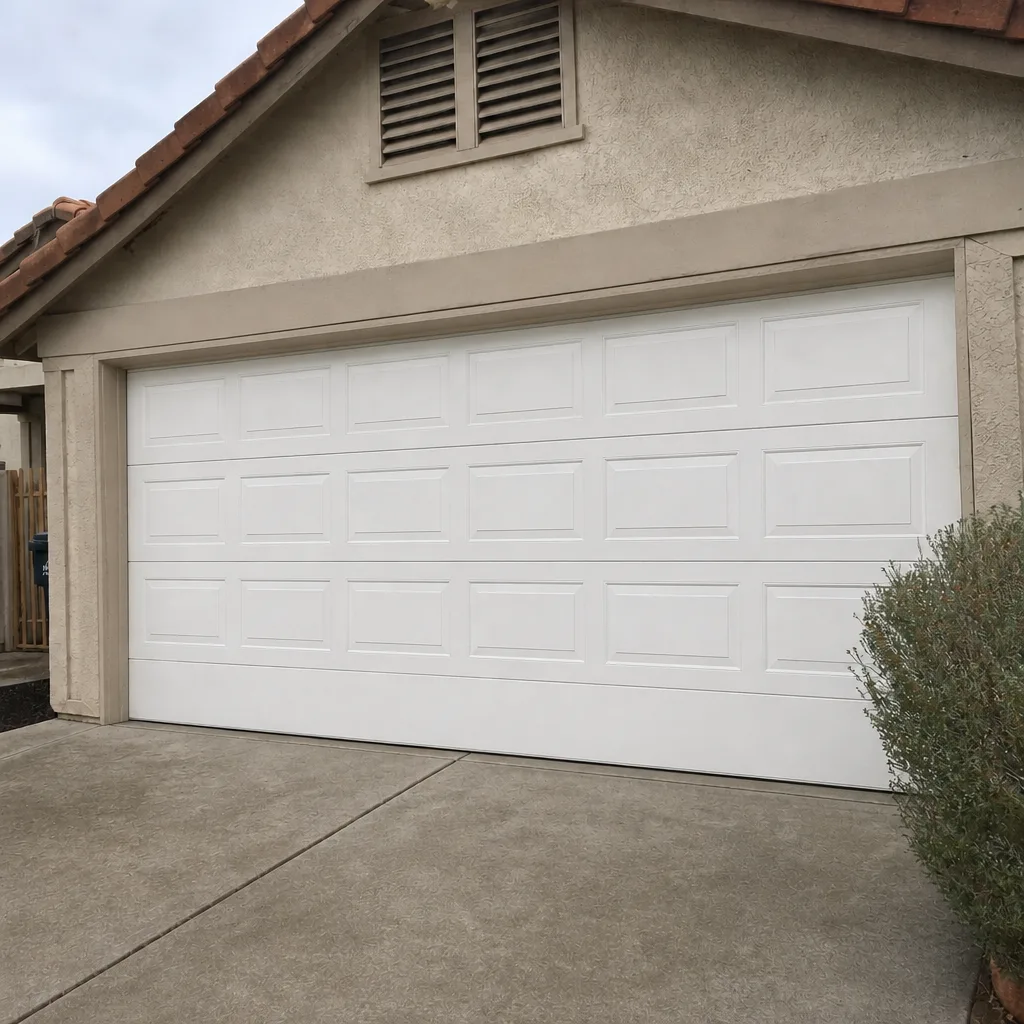 After
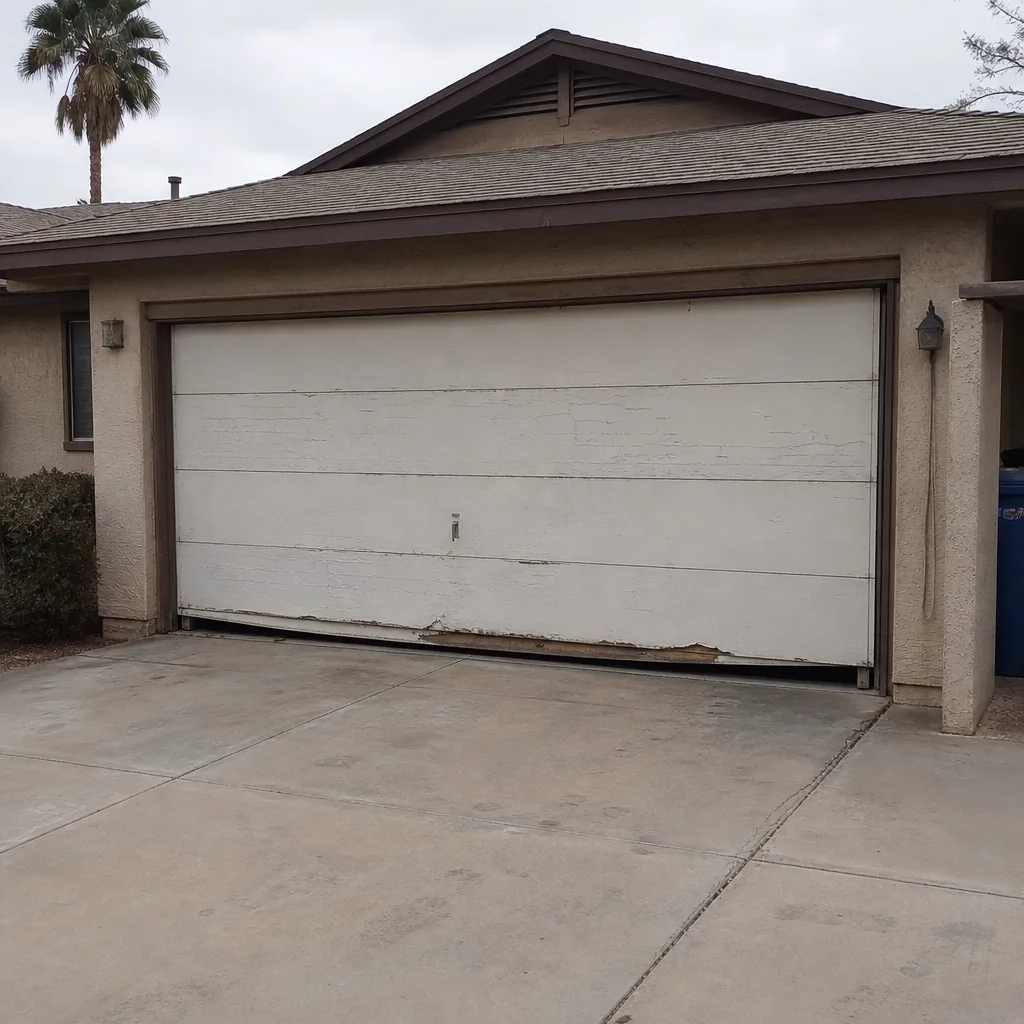 Before
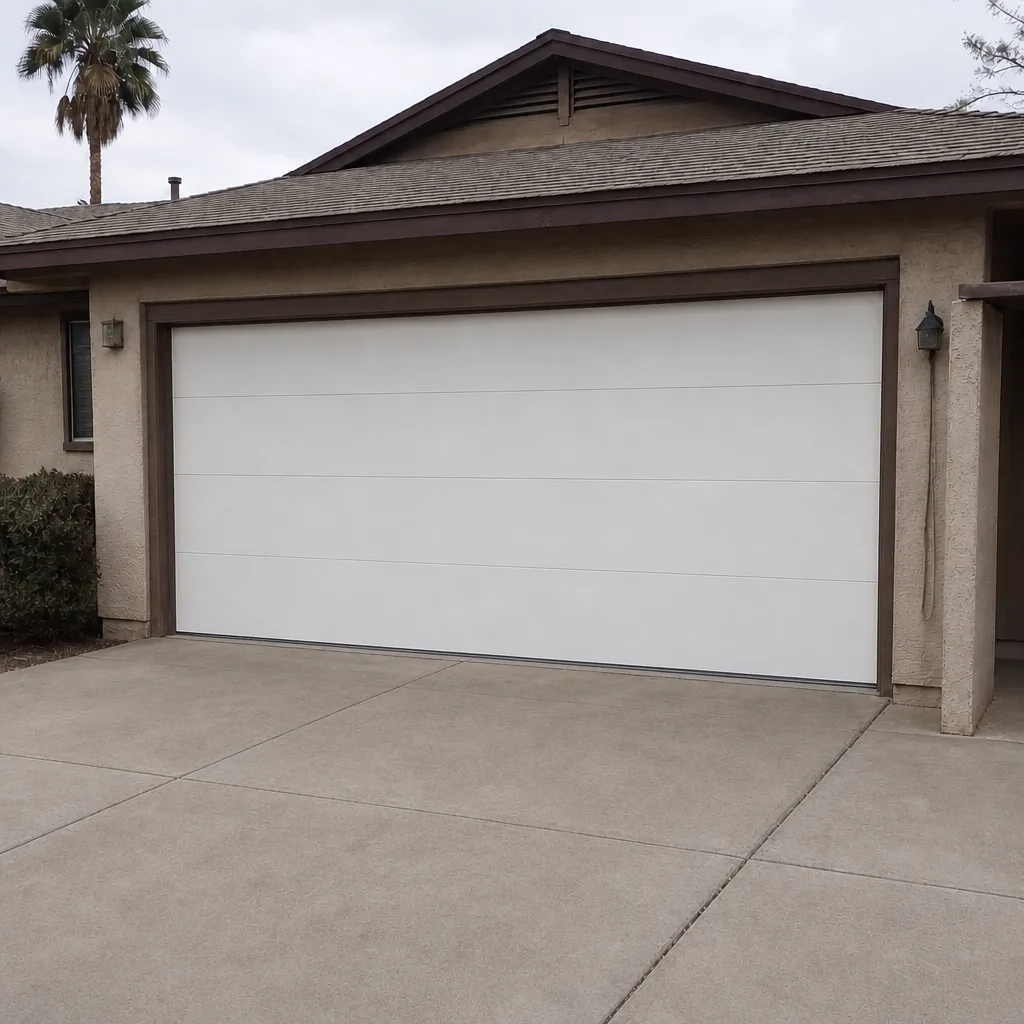 After
When to Call a Professional
Some jobs are homeowner maintenance: lubrication in April, the October track check, and the monthly five-minute listen. Other jobs need a trained professional because they involve parts under extreme tension or the opener’s internal systems. Call a professional when the door won’t open or close smoothly, when a cable looks frayed, when a spring is visibly broken, when the door is out of balance, or when the opener strains, reverses unexpectedly or fails to respond to the remote. Torsion springs and cables are dangerous to work on and deserve a trained hand. Firstline Garage Door Repair offers free estimates in Tucson. Call (855) 632-1096. We answer 24/7. Fast dispatch from 7am to 7pm, Sunday through Friday.
Frequently Asked Questions
Twice a year is the right rhythm in Tucson: once in April before the summer heat, and once in October after the monsoon. Use white lithium grease or silicone spray on the springs, hinges and metal rollers, and avoid WD-40. Call (855) 632-1096 for a free estimate if you’re unsure which parts need attention.
Expect about 7 to 10 years for a typical spring in Tucson’s climate. The temperature swing from summer heat to winter nights accelerates wear, so springs here often land toward the lower end of that range. Call (855) 632-1096 for a free estimate on a spring replacement.
White lithium grease stays put on pivoting parts like hinges, while silicone spray works well on springs and areas that need a thin film. The track and nylon rollers get neither; those stay clean and dry. Call (855) 632-1096 for a free estimate if you want a technician to take a look.
No. Torsion springs are under extreme tension and a mistake can cause serious injury. A trained technician should handle any spring or cable work. Call (855) 632-1096 for a free estimate on a spring replacement.
A squeal is usually dry rollers or hinges that need lubricant, or a roller bearing starting to wear. Address it in the April or October pass before it becomes a track or spring problem. Call (855) 632-1096 for a free estimate if the noise keeps coming back.
April and October are the two key months in Tucson, but any conversation about scheduling is a good one. The work itself runs on a normal dispatch window: fast dispatch from 7am to 7pm, Sunday through Friday. We’re closed Saturday, so if a door fails on a Saturday, we’ll book you for Sunday. Call (855) 632-1096. We answer 24/7.
The Bottom Line
Tucson’s climate makes the standard national maintenance advice too generic. The real schedule is built on two anchors: a 25-minute lubrication and safety pass in April before the heat peaks, and a 25-minute track and rust check in October after the monsoon. Between those, a monthly five-minute listen catches small problems early. White lithium grease on hinges, silicone spray on springs, nothing on the track, and never WD-40 on a moving part. Springs last 7 to 10 years, rollers 5 to 7, openers 10 to 15. Plan replacements before they become emergencies, and bring in a professional once a year to catch what you can’t see. If you’d like a hand, Firstline Garage Door Repair is here in Tucson and ready to help.
Ready for a check? Call (855) 632-1096 for a free estimate. We answer 24/7. Fast dispatch from 7am to 7pm, Sunday through Friday.
Written by the team at Firstline Garage Door Repair.