
Last updated November 15, 2026
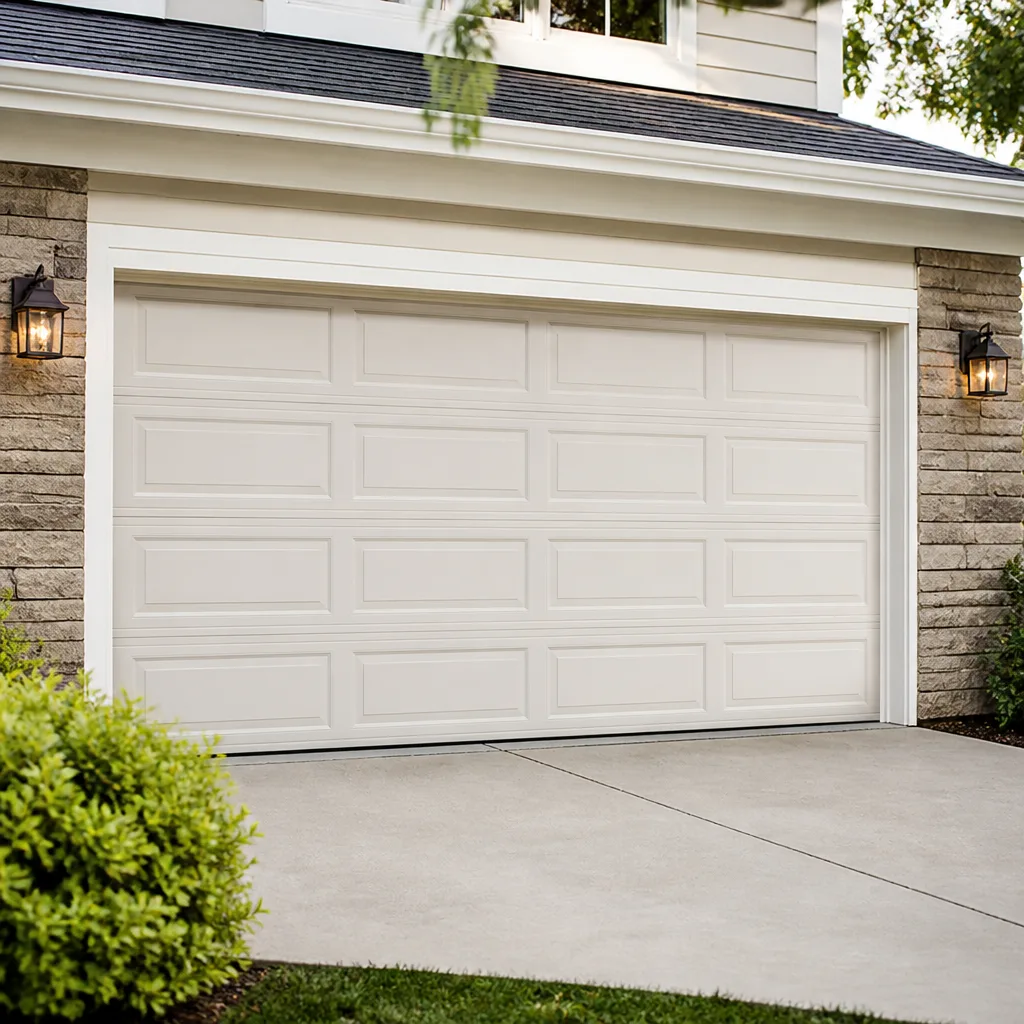 Raised-panel steel
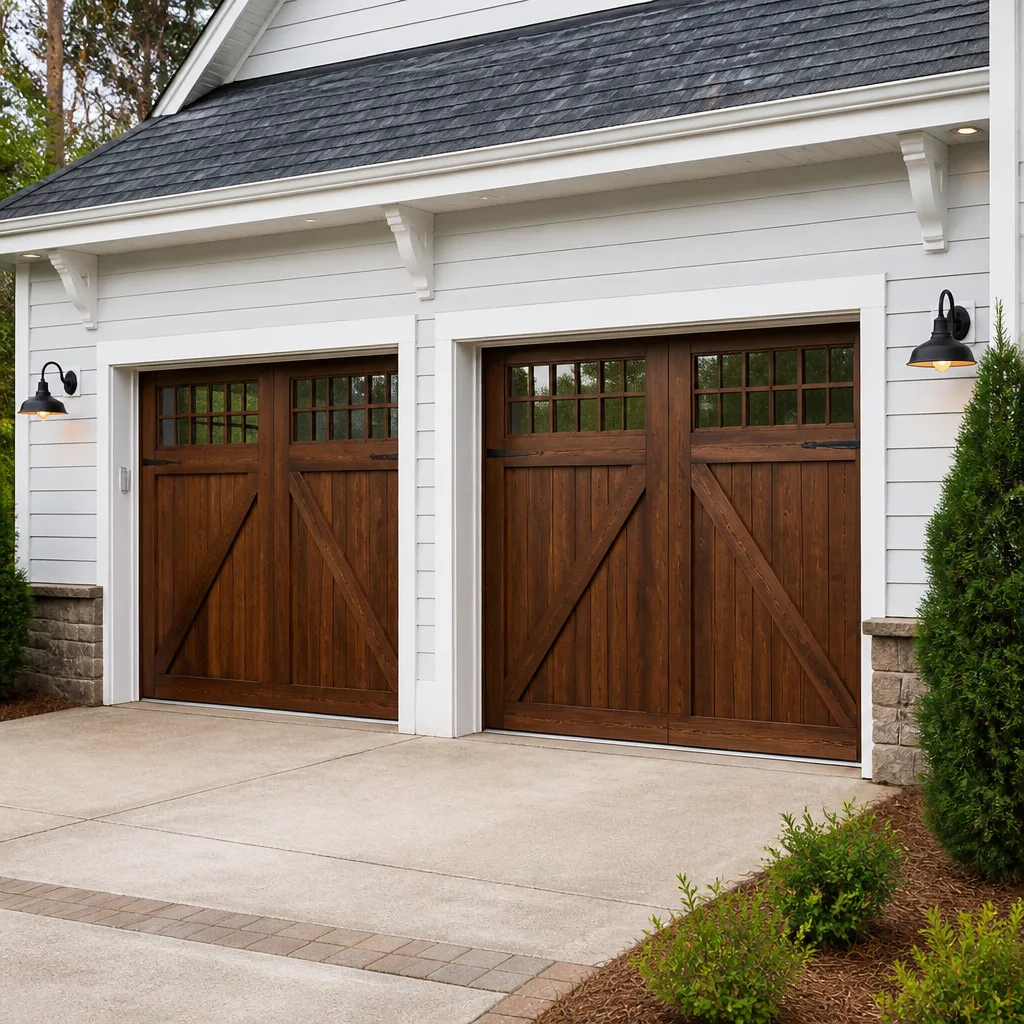 Carriage house
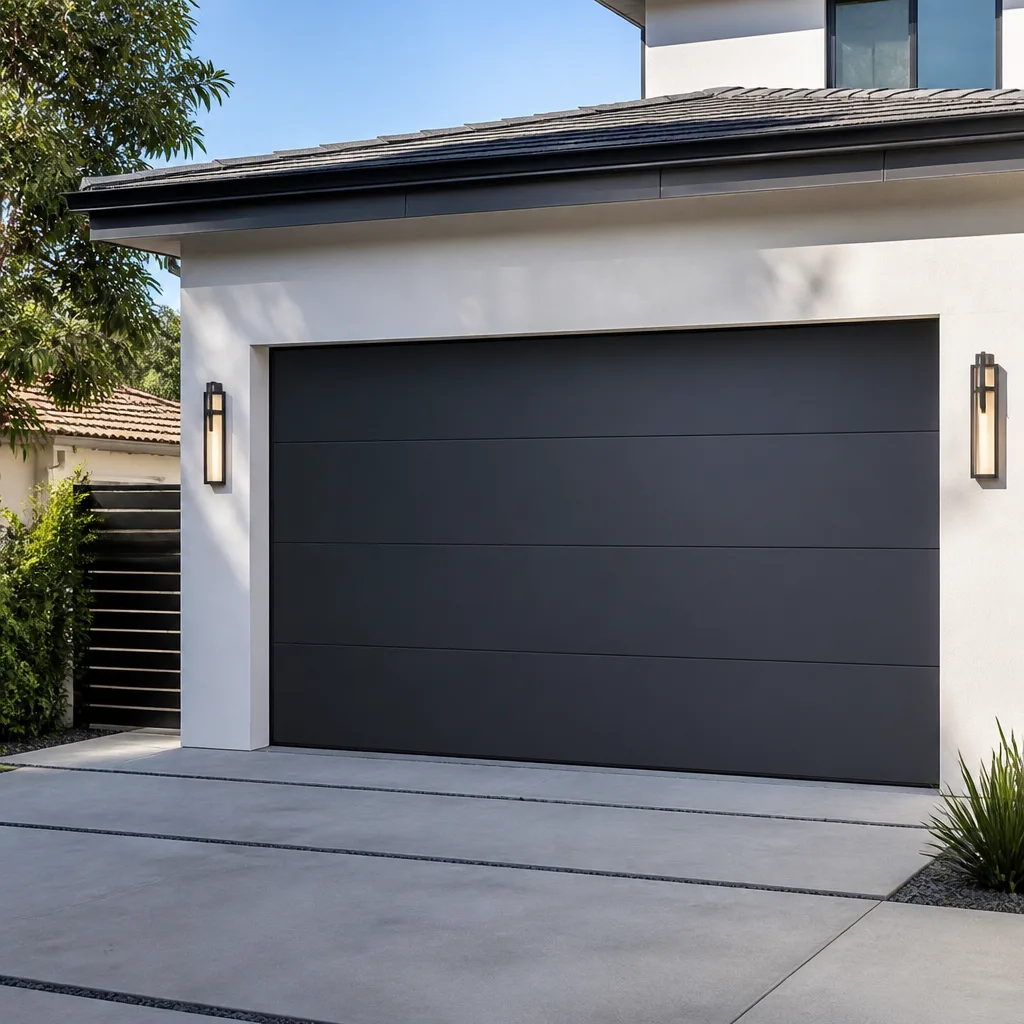 Modern flush
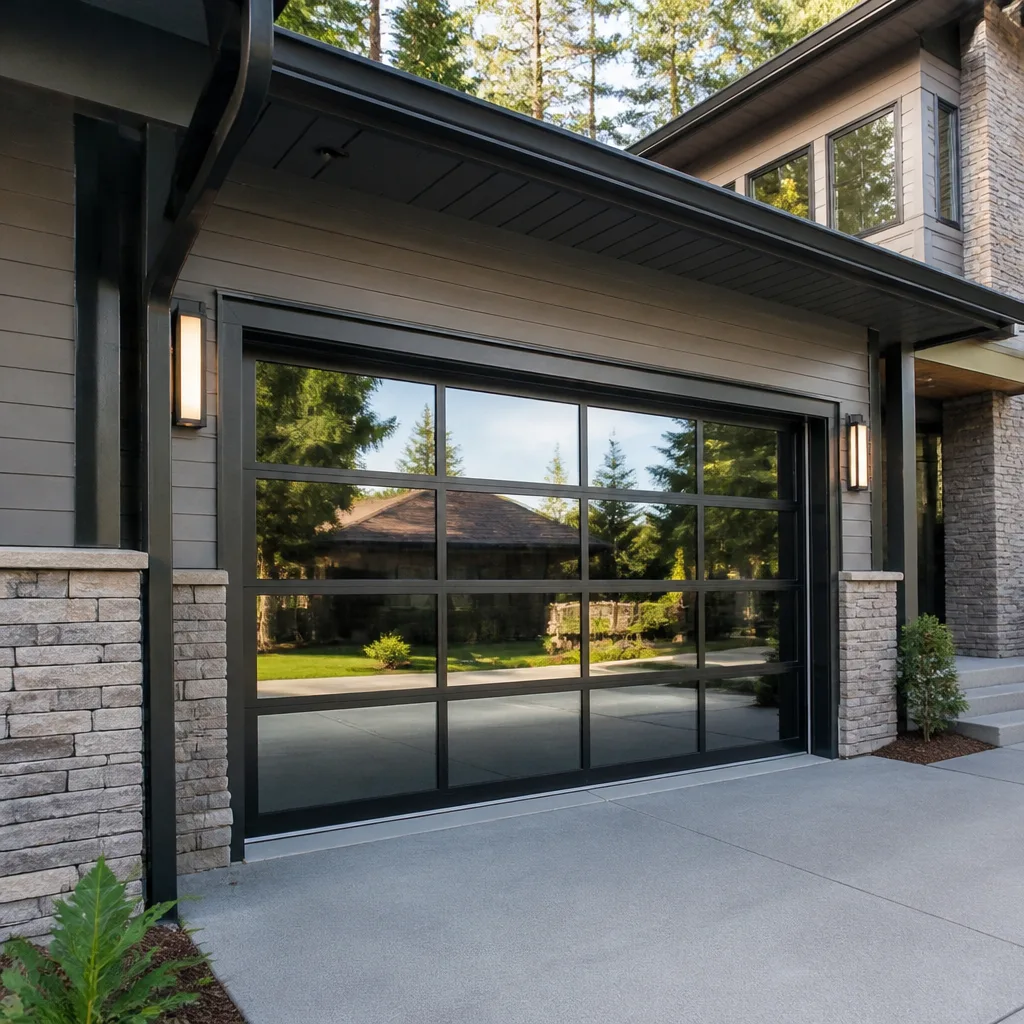 Full-view glass
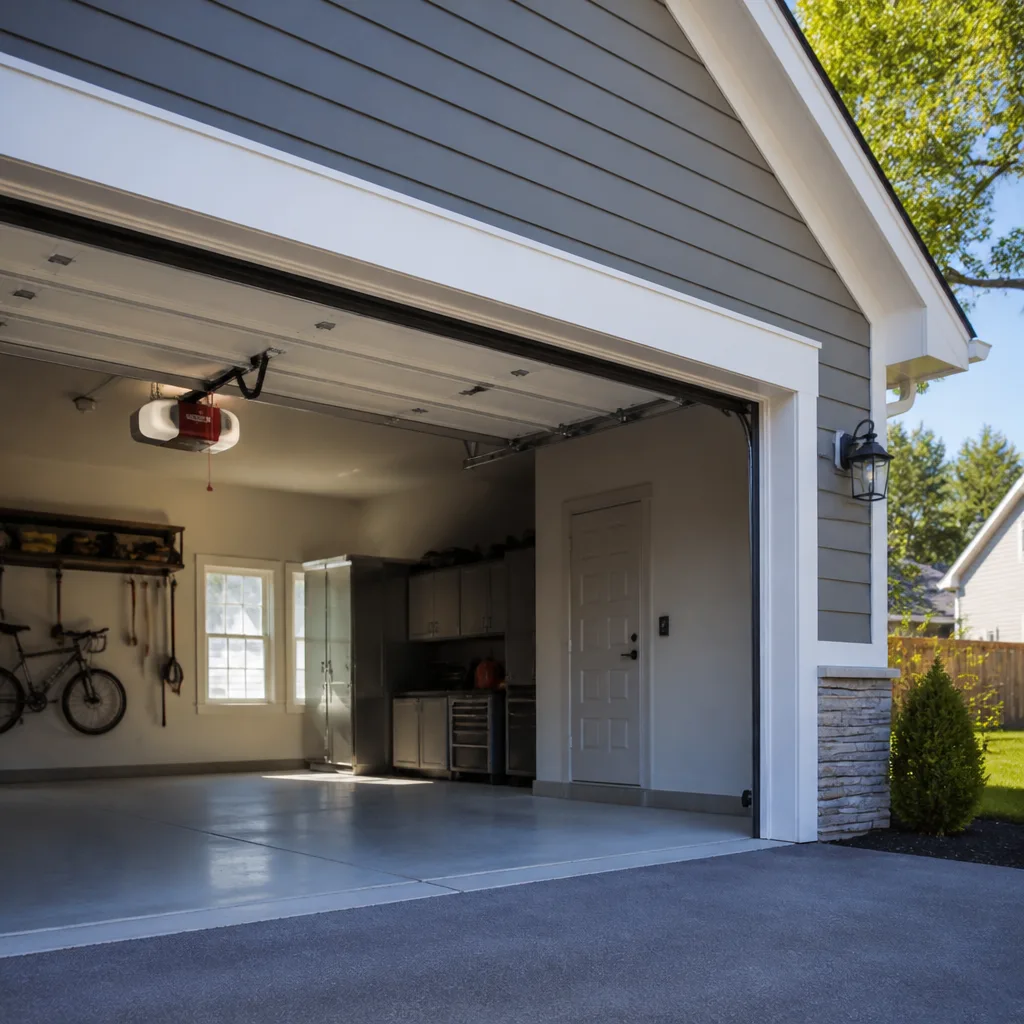 LiftMaster openers
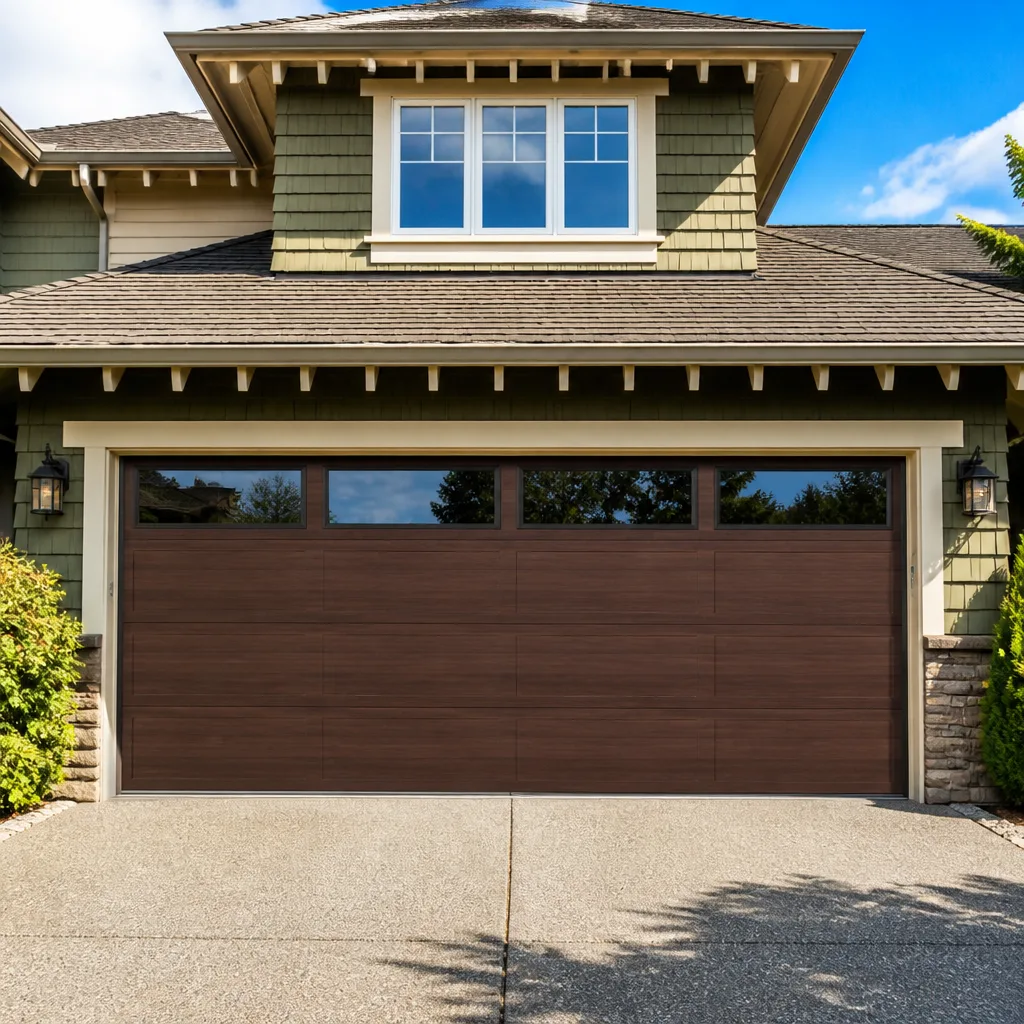 Chamberlain openers
Full 25-point door and opener safety check with every visit - springs, cables, rollers, tracks, and your LiftMaster or Chamberlain opener included
You get a price before we start. It does not change when the pro arrives.
Get your free estimateGarage Door Permits, Codes & Inspections in Tucson, AZ: What You Need to Know
Most homeowners assume a garage door is maintenance equipment, not construction. Replace a few panels, swap the opener, hang a new door on the old track – no paperwork, right? In Tucson, that assumption is where things get expensive. A full door replacement can fall under City of Tucson and Pima County permitting rules depending on what’s being changed, and work done without a permit has a way of surfacing years later during a title search or an insurance claim. This guide walks through the actual threshold that triggers a permit, how HOA architectural review layers on top of municipal code, what a compliant installation in Arizona’s climate and building stock looks like, and how to protect yourself before anyone touches your door.
Quick Answer
In Tucson and throughout Pima County, replacing an entire garage door assembly where the opening, header, or structural framing changes generally requires a building permit, while swapping like-for-like components such as springs, rollers, cables, panels, or an opener usually does not. Rules vary by jurisdiction and by the scope of the job, so the reliable answer is always to confirm with the City of Tucson Planning & Development Services Department or Pima County before work begins. A licensed installer should be able to tell you which applies and pull the permit if one is required.
Styles & brands we work with
- Raised-panel steel
- Carriage house
- Modern flush
- Full-view glass
- LiftMaster openers
- Chamberlain openers
Table of Contents
- Does replacing a garage door in Tucson require a permit?
- Repair vs. replacement: where the line actually sits
- How HOA architectural review works alongside city code
- What a code-compliant garage door installation in Arizona requires
- How to verify a contractor pulled a permit
- What unpermitted work means for insurance and title transfer
- What to expect during a garage door inspection
- Common mistakes to avoid
Does replacing a garage door in Tucson require a permit?
Sometimes yes, sometimes no, and the difference comes down to scope rather than the door itself. A permit is typically triggered when the work touches the building’s structure or its exterior envelope – widening or raising the opening, altering the header, changing the framing that carries the door’s weight, or installing a door that changes the opening’s dimensions. That’s construction, and construction needs a permit. Swapping a damaged door for a new one of the same size and type, in the same opening, with the same track configuration, generally falls into the replacement-and-repair category that doesn’t require one under City of Tucson and Pima County code.
The catch is that “same size and type” gets blurry fast. A homeowner upgrading from a single 8-foot door to a wider opening, converting a manual door to an opener-driven door with new wiring, or moving from a low-headroom setup to a high-lift track all cross into scope that reviewers want to see. In our experience working garage door repair jobs across Tucson, the confusion usually starts because the homeowner was told “you never need a permit for a garage door” by someone who only ever swaps panels.
Where each authority applies
If your home sits inside Tucson city limits, the City of Tucson Planning & Development Services Department is the reviewing authority. If you’re in unincorporated Pima County – Marana’s outskirts, parts of Vail, Rita Ranch’s edges, the Catalina foothills beyond city limits – Pima County’s building division governs instead. The two have similar thresholds but separate submittal processes, so calling the wrong one wastes a week of your time.
The practical rule
- Same-size, same-type door in the same opening, no framing changes: usually no permit.
- New door with a different size, different opening, or new framing: permit typically required.
- Opener replacement alone: usually no permit, but check for electrical work requirements.
- Any structural change to the header or jamb: permit required, and possibly engineering review.
When you’re unsure, call the building department before you buy the door. It takes ten minutes and saves three weeks later.
Repair vs. replacement: where the line actually sits
The clearest way to think about permits is to separate a repair from a replacement, and then separate a replacement from an alteration. Tucson’s building review cares about the third category. Repairs keep the door in service without changing what’s there. Replacements put a new door in the same opening. Alterations change the opening, the structure, or the door’s mechanical relationship to the house – and that’s where code review comes in.
What counts as a repair (no permit)
- Replacing broken torsion or extension springs
- Swapping bent rollers, worn hinges, or frayed cables
- Replacing a single damaged panel on a multi-panel door
- Adjusting track alignment or tightening hardware
- Replacing an opener motor or control board on existing wiring
What counts as a replacement (permit depends on scope)
A full door swap in the same opening, same dimensions, same track layout, is the gray zone. Many jurisdictions treat this as a like-for-like replacement that doesn’t require a permit as long as the door meets current wind and safety standards for the area. But “as long as” is doing a lot of work in that sentence. Confirm with your local building department before ordering a door.
What clearly requires a permit
- Changing the width or height of the opening
- Modifying the header above the opening
- Adding a new opening where none existed
- Converting a carport to an enclosed garage
- Installing a door on a structure that previously had none
If your project sits anywhere in the third list, treat permitting as part of the project budget and timeline from day one. It’s not a surprise add-on; it’s part of the job.
How HOA architectural review works alongside city code
This is where Tucson’s newer master-planned communities create the most friction. Most HOAs in neighborhoods across the metro – from Rita Ranch out east to the foothills communities above Oracle Road – require architectural review before any exterior change, including a new garage door. HOA approval and city permitting are two separate processes running in parallel, and you almost always need both, in a specific order.
Which one governs
Neither overrides the other. The city governs safety, structure, and code compliance. The HOA governs aesthetics, color, panel style, and neighborhood consistency. If your HOA’s architectural standards require a door style that doesn’t meet a current code requirement – which does happen with older doors and current opener safety specs – the code wins, and the HOA has to accommodate. But if your HOA prohibits a style you want and no code conflict exists, the HOA wins and you’re choosing a different door.
Typical HOA submittal steps
- Request the architectural review application from your association.
- Get the door manufacturer’s spec sheet and color sample – Clopay and Amarr both publish these for HOA packets.
- Submit photos of the current door and the proposed replacement.
- Wait for written approval before ordering or installing.
- File the approved paperwork with your home records – title companies do look for it.
The order matters. Pull a permit, install a door, and then discover the HOA wanted a different panel style, and you’re removing a brand-new door. Get HOA approval in writing first, then schedule installation.
What a code-compliant garage door installation in Arizona requires
An Arizona-compliant garage door isn’t just a door that opens and closes. It’s a system: door, hardware, track, and opener, each meeting specific clearance and safety requirements. Inspectors look at all four, and so should you before signing off on an installation.
Clearances and header requirements
- Headroom: the distance from the top of the door to the ceiling must support the track radius the door needs – typically 12 inches for a standard radius, more for high-lift setups.
- Backroom: the horizontal distance behind the door must accommodate the operator rail and door travel without obstruction.
- Header: must carry the door’s weight and the spring counterbalance load; any change to header framing triggers structural review.
- Sideroom: the space from the door edge to the nearest wall or obstruction, needed for torsion tube and drum mounting.
Tucson homes built in the 1970s through 1990s often have tighter clearances than the doors and openers currently manufactured expect. If the original door was a lighter-weight builder unit and the replacement is a heavier insulated door (common with Wayne Dalton and Clopay upgrades), the existing header, spring, and track setup all need to be re-evaluated, not just reused.
Opener safety specifications
Every automatic garage door opener installed today must include two safety systems: a photoelectric eye pair that stops and reverses the door when the beam is broken, and a pressure-sensing or travel-limit system that reverses the door on contact. These aren’t optional, and an installer who skips them isn’t code-compliant regardless of brand. If you’re replacing a Genie or older Craftsman unit with a newer LiftMaster or Chamberlain opener, the new unit will come with both systems and they need to be tested on-site before the installer leaves.
Wind and structural load
Garage doors are the single largest opening in a residential structure, which is why the opening itself has to resist wind load. Ask your installer what design pressure the door and its hardware are rated for in your area, and whether the permit submittal requires it to be documented. On a straightforward replacement, this is often handled by the door’s manufacturer ratings. On any new opening or structural change, it’s part of the engineered submittal.
How to verify a contractor pulled a permit
You can confirm a pulled permit in about five minutes if you know where to look. Every contractor permit is a matter of public record, and building departments make them searchable or available by request. This is the single most effective way to protect yourself – because if the permit exists, the inspection exists, and if the inspection passed, you have a record the work was done to code.
Step-by-step verification
- Ask the contractor for the permit application number or copy of the approved permit before work starts.
- Search the City of Tucson Planning & Development Services Department permit portal by your address or the permit number.
- For Pima County properties, search the Pima County Development Services permit records instead.
- Confirm the scope on the permit matches the work being performed.
- Keep a copy of the approved final inspection in your home file alongside the door’s warranty paperwork.
What it means if the contractor says it’s not needed
It might be true. On a like-for-like door swap, “no permit needed” is often the correct answer. The red flag isn’t the claim itself; it’s a contractor who won’t explain the reasoning or won’t confirm it with the building department. A professional who does this work regularly knows the threshold and can tell you why a specific job falls on one side or the other. If your installer can’t explain the reason, ask them to confirm in writing or call the city yourself. The answer should take less than a day to get.
Our garage door opener repair technicians have up to 15 years of experience, and we’ve walked plenty of homeowners through exactly this question – because a garage door job that skips permitting is a problem we don’t want to inherit from anyone.
What unpermitted work means for insurance and title transfer
Unpermitted garage door work rarely causes a problem the day it’s done. It becomes a problem the day the house changes hands or the day the homeowner files a claim. Both of those events trigger a paperwork review, and unpermitted construction has a way of showing up.
The title transfer problem
During a home sale, the buyer’s inspector and the seller’s title company both review permit history. An unpermitted structural or opening change – widened door, altered header, new opening – shows up as a discrepancy between the permit records and what’s physically there. What happens next depends on the buyer, the lender, and the title insurer. It could mean a retroactive permit process, an inspection before closing, or a negotiating point that costs the seller in the sale price. None of that is quick, and all of it delays closing.
The insurance claim problem
If a garage door fails and causes a loss – structural damage from a failed spring or track, water intrusion through a poorly fitted door, injury from a door that reverses incorrectly – the insurer will ask whether the installation was permitted and inspected. Work that should have been permitted and wasn’t can be grounds for denial or partial payment. Even when the claim is honored, the discovery of unpermitted work can affect future premiums or renewability. We’re not in the insurance business and can’t advise you on coverage, but we can say this: an inspection record is one of the cheapest forms of protection you can buy for a garage door installation.
Why this matters more now than ten years ago
Title companies and insurers have tightened documentation reviews, and the paper trail matters more than it used to. Homeowners in Tucson who bought during the last decade’s hot market, with waived inspections, are the ones most likely to discover an unpermitted door at resale.
What to expect during a garage door inspection
Whether you’re doing a pre-purchase inspection, a post-installation code inspection, or a routine safety check, a competent garage door inspection covers the same ground. Here’s what a thorough one looks like, and what you should see in the report.
Mechanical inspection
- Springs tested for tension, condition, and correct sizing for the door’s weight
- Cables checked for fraying, proper winding on the drums, and correct attachment
- Track inspected for bends, correct alignment, and secure fastening to framing
- Hinges, rollers, and bearings checked for wear and smooth operation
- Panel condition – dents, cracks, separation, and weatherstripping integrity
Opener and safety inspection
- Photoelectric eye alignment and function, both directions
- Pressure-sensing reversal tested on a solid object
- Manual release tested and confirmed operable
- Force and travel limits checked against the door’s actual weight
- Electrical connections and wiring inspected for code compliance
Structural and code inspection
- Header condition and attachment to surrounding framing
- Jamb condition and any signs of movement
- Clearance dimensions compared to the installed door’s requirements
- Permit scope confirmed against what’s actually installed (if a permit was pulled)
If you’re buying a home in Tucson and the inspection flags any of the structural items, ask for the permit history before the deal closes. If you’re doing this after installation, we recommend having the same inspection done six months later – hardware settles, springs stretch, and a fast re-check catches anything the initial install missed.
Full replacements at the same opening size are handled on schedule, with Firstline Garage Door Repair coordinating the measure, written quote, and – where your job requires it – permit submittal as part of the project.
Common Mistakes to Avoid
- Assuming “no permit needed” without checking. The claim can be true on a like-for-like swap. But it can also be a contractor avoiding paperwork on a job that does require it. Verify with the city or county before work starts; don’t take it on trust.
- Getting HOA approval after installation. HOA architectural review has to happen before you order or install, not after. If your association requires a specific panel style and you installed a different one, you’ll be removing a brand-new door.
- Skipping the structural review on a heavier door. Tucson’s 1970s through 1990s builder homes were often framed for light doors. Upgrading to an insulated Amarr or Clopay door without evaluating the header and springs is asking for trouble six months in.
- Ignoring the opener specifications on a door replacement. The opener’s force settings and travel limits need to be recalibrated whenever the door’s weight changes. An installer who swaps the door without touching the opener is leaving you with an unbalanced system.
- Filing permit paperwork nowhere. When you sell, the buyer’s inspector will want to see it. Keep the approved permit and final inspection in your home file with the door’s warranty paperwork and HOA approval letter.
- Letting a buyer’s inspector discover unpermitted work. If you inherited an unpermitted door installation, deal with it before you list. Retroactively permitting it is cheaper and faster than trying to close a sale with it unresolved.
- Calling the wrong building department. If you’re outside Tucson city limits but in Pima County, the city won’t have your records. Call the county building division instead; it’ll save you a week of calls.
See the difference
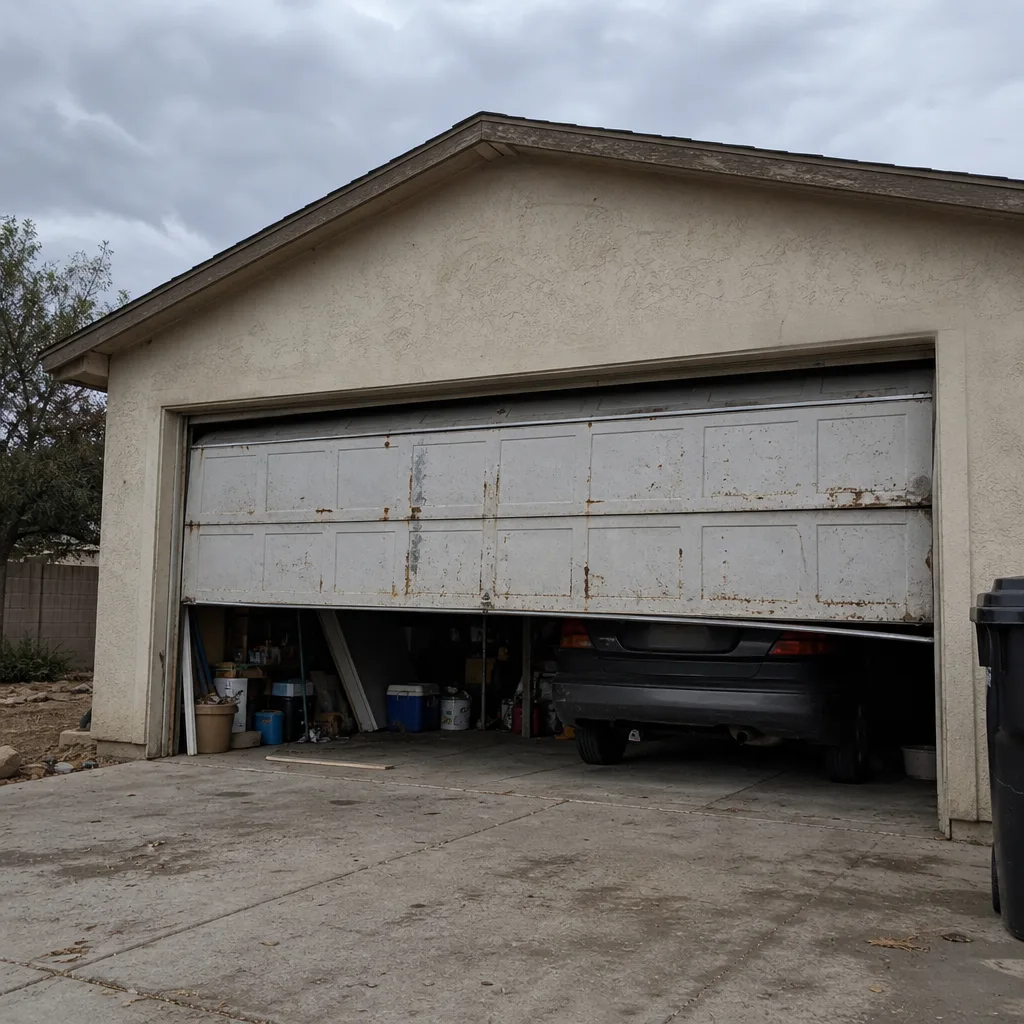 Before
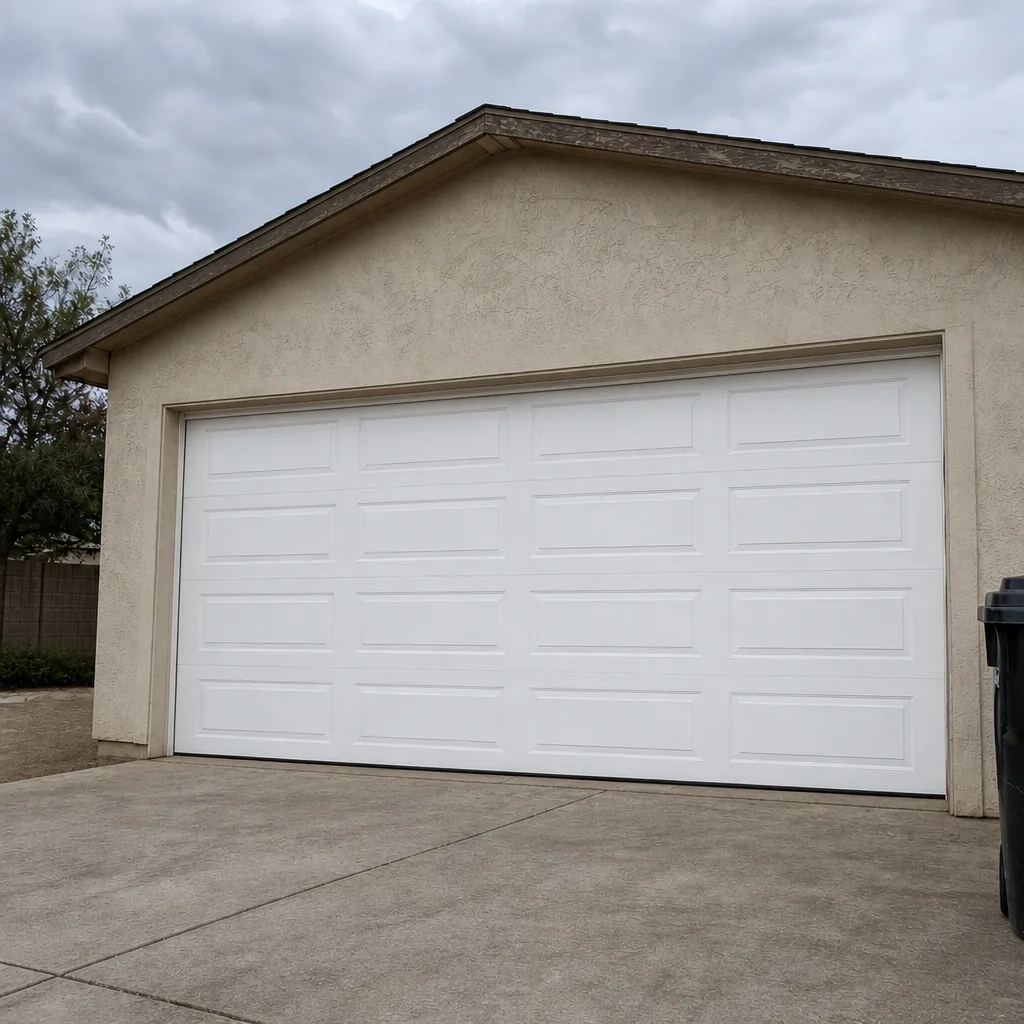 After
 Before
 After
 Before
 After
When to Call a Professional
Permit questions, HOA paperwork, and code compliance aren’t tasks to figure out on your own if you’re mid-project. Here’s when we’d recommend picking up the phone. Call us if your replacement involves any structural change to the opening or header, if your HOA requires architectural review and you’re not yet sure what they’ll approve, if your existing door was inherited with an unpermitted installation, if you’re prepping a home for sale and want the permit history clean before listing, or if an inspector has flagged anything on a door you’re buying. Those are the situations where professional coordination saves you a much larger headache later. Firstline Garage Door Repair offers free estimates in Tucson – call (855) 632-1096. We answer 24/7. Fast dispatch from 7am to 7pm, Sunday through Friday.
Frequently Asked Questions
It depends on the scope. A like-for-like door replacement in the same opening usually does not require a permit under City of Tucson and Pima County rules, while anything that changes the opening, header, framing, or door dimensions generally does. Confirm with the City of Tucson Planning & Development Services Department or Pima County before you order a door. Call (855) 632-1096 for a free estimate, and we’ll walk you through whether your specific job needs one.
Search the City of Tucson or Pima County permit records by your address or the permit number, and confirm the scope on the approved permit matches the work you had done. Ask the contractor for a copy of the approved permit before work starts, and keep the final inspection on file. If your installer can’t produce either, call the building department before you sign off. Estimates are free – call (855) 632-1096.
Usually, yes. Most HOAs in Tucson’s master-planned communities, from Rita Ranch to the foothills, require architectural review before any exterior change, including garage door replacement. Get written HOA approval before you order or install. HOA approval and city permitting are separate steps; you generally need both. Call (855) 632-1096 for an exact quote on your door, and estimates are free.
You inherit the problem, and it typically surfaces during a home sale or an insurance claim. The fix is a retroactive permit process through the reviewing jurisdiction, which means opening the door, hardware, and framing up for inspection, then getting the work approved or corrected. Deal with it before you list. We can help you scope a compliant replacement – call (855) 632-1096.
It can. If a garage door fails and causes a loss, the insurer will ask whether the installation was permitted and inspected. Work that should have been permitted and wasn’t can affect claim payment or renewability. We’re not in the insurance business, but we can tell you that an inspection record is worth having. Call (855) 632-1096 for a free estimate on bringing your installation to code.
The door needs enough headroom for its track radius, enough backroom for the operator rail and door travel, enough sideroom for the torsion tube, and a header rated to carry the door’s weight. There’s no single number that applies everywhere; it depends on the door you’re installing and the opening you have. An on-site measure before purchase is the only reliable way to know. Call (855) 632-1096 – the measure and estimate are free.
The Bottom Line
Garage door permits in Tucson are less about the door and more about the change. Like-for-like replacement in the same opening generally doesn’t trigger a permit, while anything that touches the framing, header, or opening dimensions does. Add HOA architectural review on top of city or county permitting, verify the permit before work starts, and keep every piece of paperwork in your home file. If you inherited an unpermitted installation, deal with it before you sell. And remember the safety piece: springs, cables, and opener adjustments are load-bearing and dangerous, so keep the actual work with someone trained to do it. Done properly, a Tucson garage door installation should outlast the house’s next ten years of ownership.
For a straight answer on your specific door, call Firstline Garage Door Repair at (855) 632-1096 for a free estimate. We work on the brand you already have – Genie, Chamberlain, LiftMaster, Craftsman, and the residential door lines from Clopay, Amarr, Wayne Dalton, and Raynor – and we’ll tell you honestly whether your job needs a permit and what it takes to get one. We answer 24/7. Fast dispatch from 7am to 7pm, Sunday through Friday.
Written by the team at Firstline Garage Door Repair.