
Last updated November 15, 2026
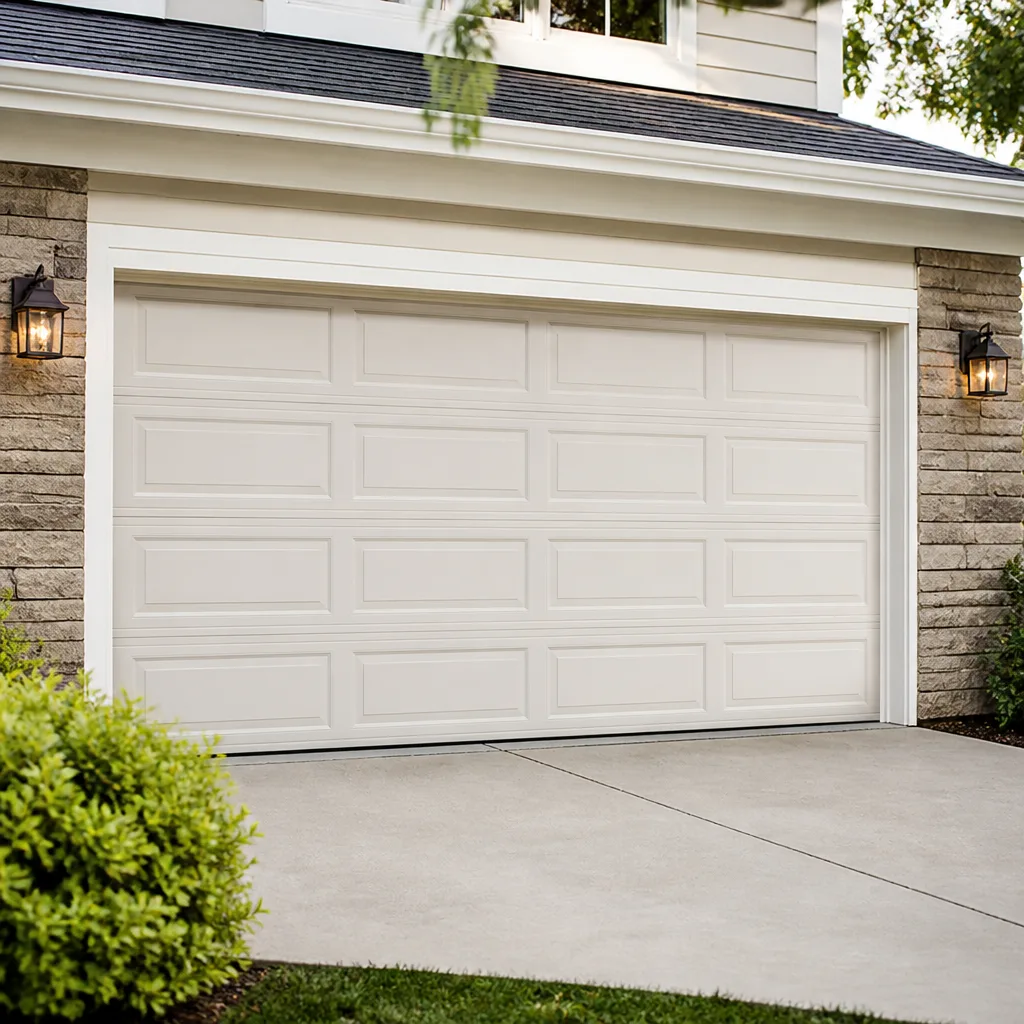 Raised-panel steel
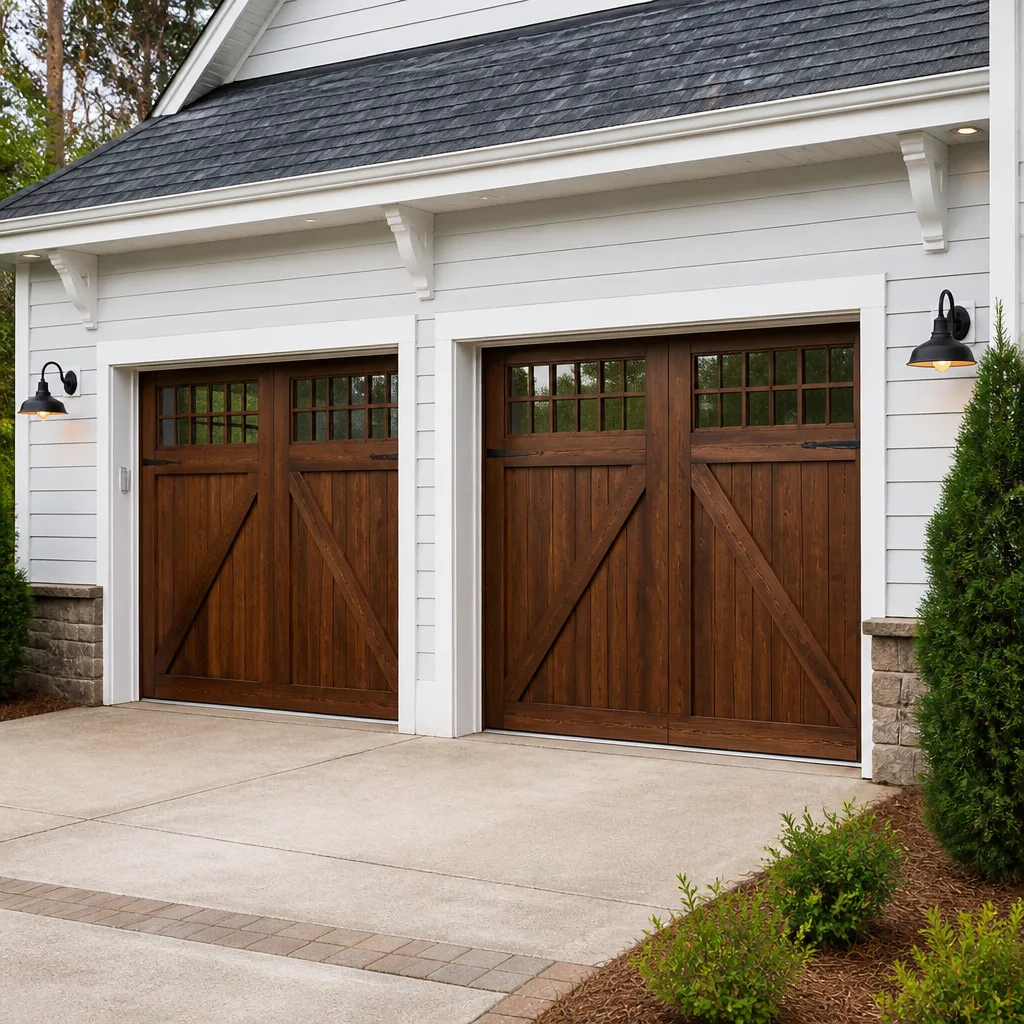 Carriage house
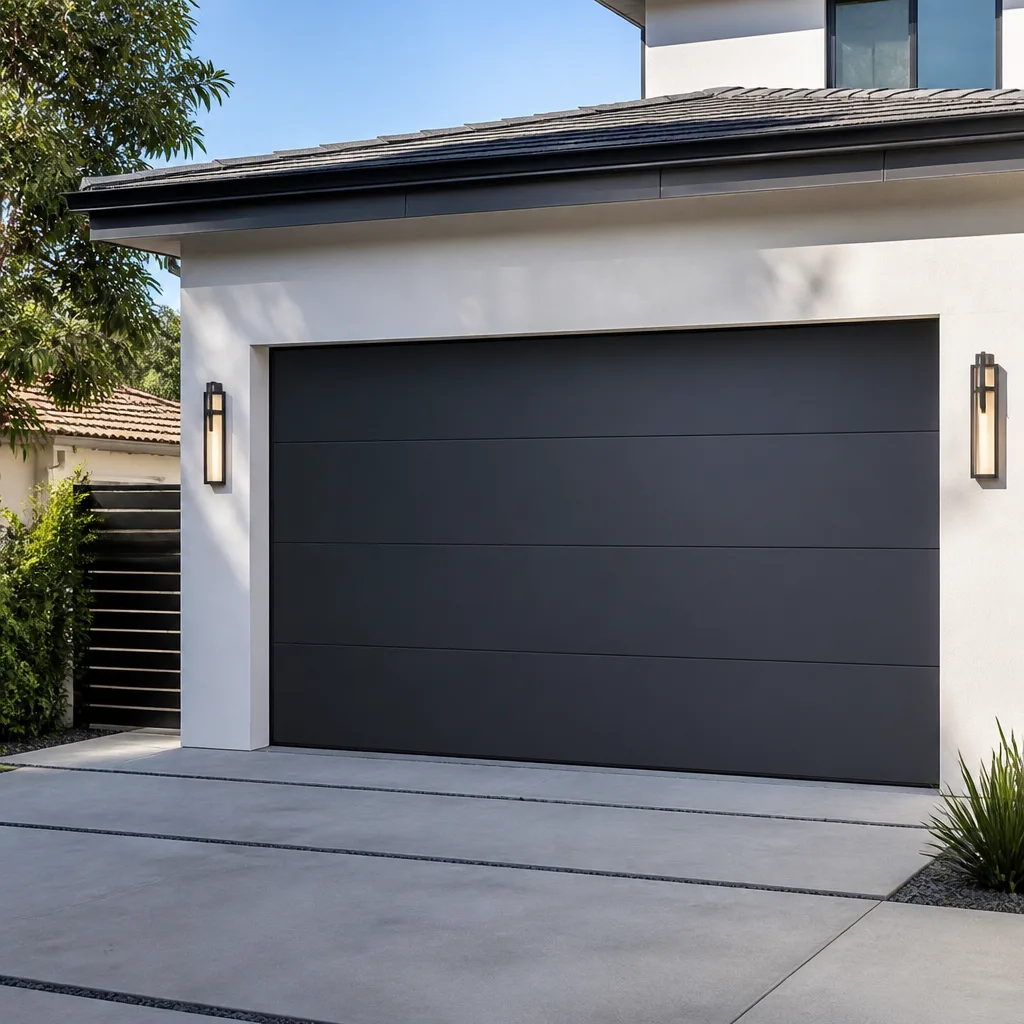 Modern flush
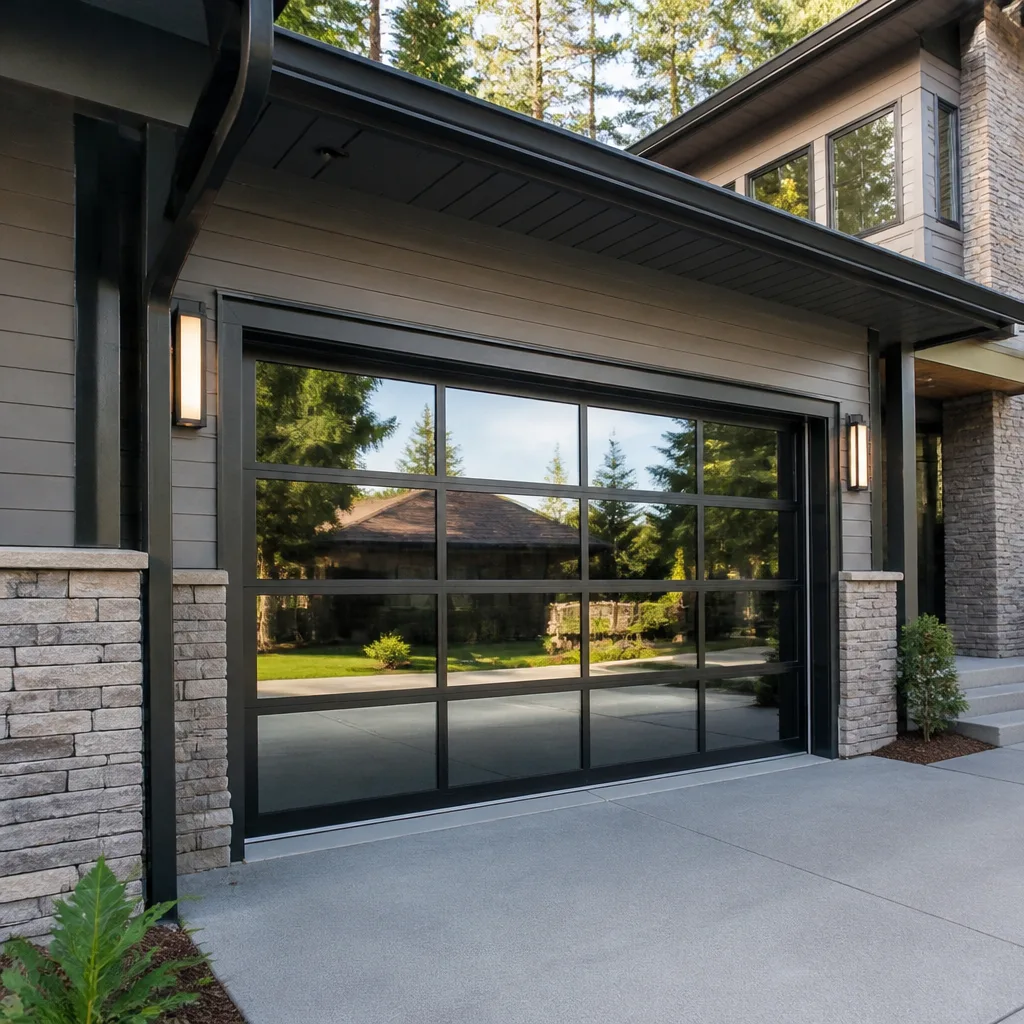 Full-view glass
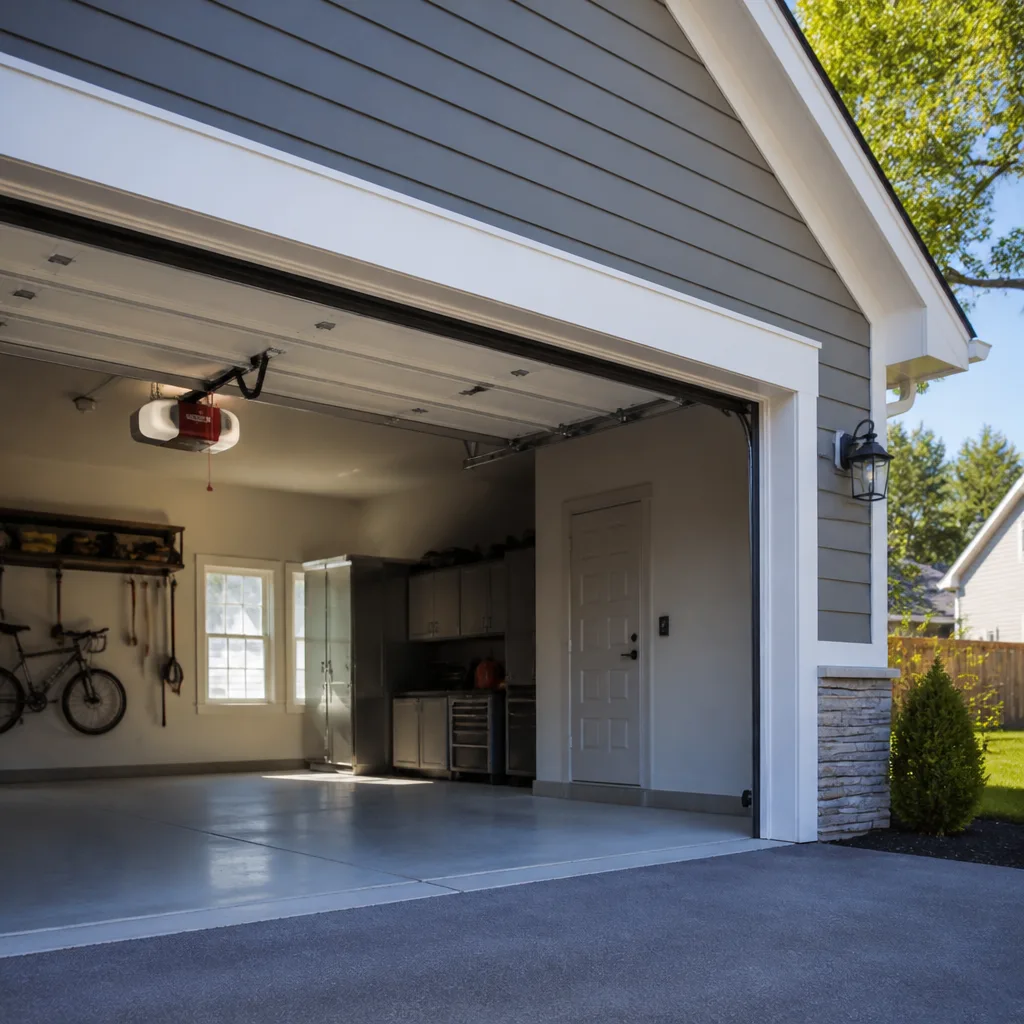 LiftMaster openers
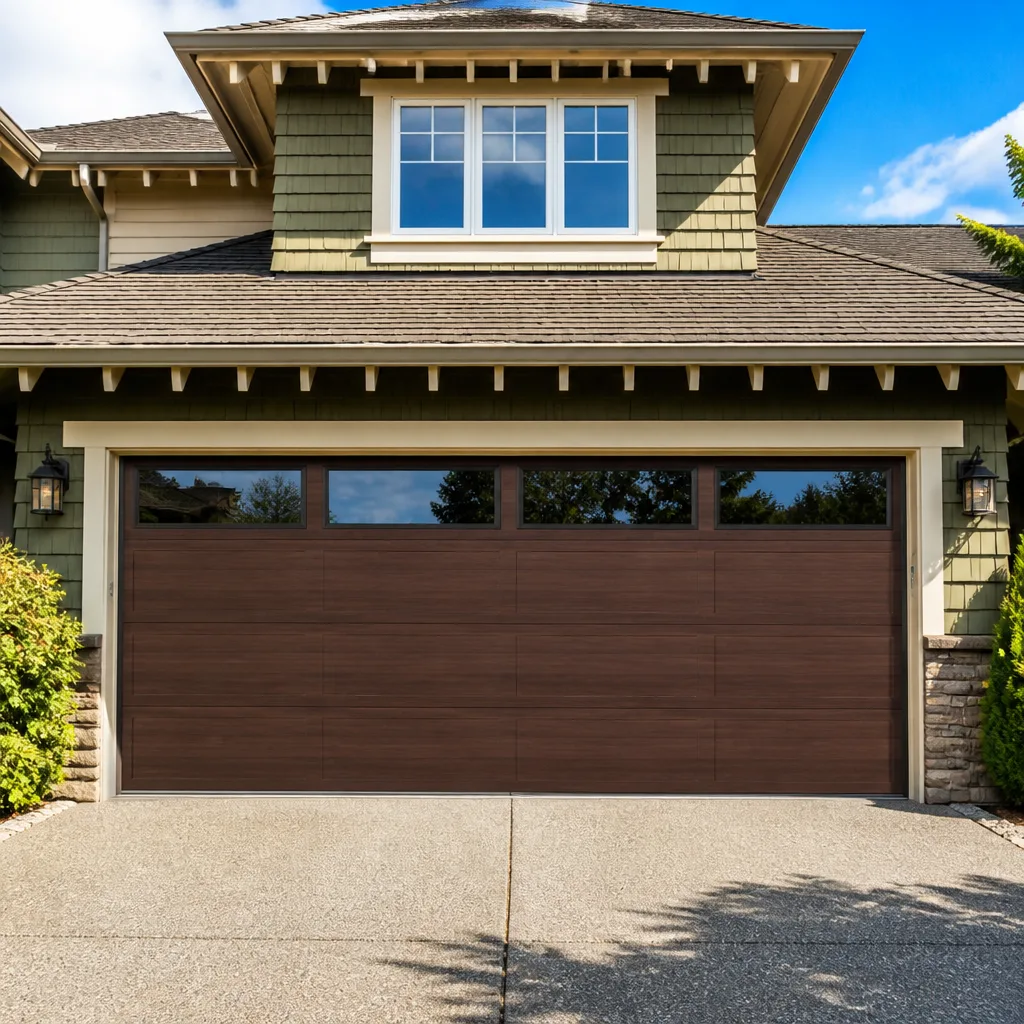 Chamberlain openers
Full 25-point door and opener safety check with every visit - springs, cables, rollers, tracks, and your LiftMaster or Chamberlain opener included
You get a price before we start. It does not change when the pro arrives.
Get your free estimateGarage Door Emergency Preparedness Guide for Tucson Homes
Most homeowners assume the garage door will open when they press the button. It usually does, right up until the afternoon it doesn’t. Here’s the point most preparedness advice misses: in Tucson, a failed garage door is rarely just an inconvenience. When the outside temperature is well into triple digits, a door stuck closed turns your car into a heat trap and your house into a place you can’t easily leave. When a monsoon storm knocks out power across a neighborhood, a door with no working manual release can strand a whole household. Getting ready takes one evening. This guide walks you through it, from finding the release cord before you need it to knowing exactly who to call first.
Quick Answer
Garage door emergency preparedness in Tucson means three things: knowing how to release your door manually before the power fails, knowing the difference between a security emergency (door stuck open) and an access emergency (door stuck closed in the heat), and having a written call order ready so you’re not searching for a number during a monsoon outage. Test the release, check the opener’s battery backup, and lubricate the moving parts once a season. That’s the whole plan, and it takes about twenty minutes.
Styles & brands we work with
- Raised-panel steel
- Carriage house
- Modern flush
- Full-view glass
- LiftMaster openers
- Chamberlain openers
Table of Contents
- Why Garage Door Emergencies Hit Tucson Homes Differently
- How Do You Use the Manual Release on a Tucson Garage Door?
- Stuck Open vs. Stuck Closed: Two Completely Different Response Plans
- How Do You Secure a Failed Garage Door Until Help Arrives?
- The Pre-Monsoon Checklist for Tucson Garage Doors
- Who to Call During a Tucson Garage Door Emergency, and in What Order
- How to Avoid Post-Storm Price Gouging
- Year-Round Prep for Desert Heat and Dust
Why Garage Door Emergencies Hit Tucson Homes Differently
Tucson throws two things at a garage door that most of the country doesn’t deal with in the same combination: sustained extreme heat and violent, sudden monsoon storms. Each one stresses different parts of the system, and together they create failure scenarios that a homeowner in a milder climate simply never thinks about.
Heat is the slower of the two but the more relentless. A closed garage in Tucson in June can reach temperatures well above the outside air, and that heat bakes the door’s torsion springs, the opener’s plastic gears, and the lubricant on every hinge and roller. Springs that are already near the end of their service life tend to give out on the hottest days, not in the mild ones. Opener motors that are marginal can overheat and trip their thermal protection, leaving the door dead until it cools. If you’ve noticed the door sounding rougher in July than it did in March, that’s not your imagination.
Monsoon season brings the other half. A single storm cell can drop power to a whole subdivision for hours, and the first thing many homeowners discover is that their opener won’t release the door without electricity. If they’ve never located the manual release, they’re locked in. Add wind-driven rain and debris, and a door that’s already struggling can be pushed into a full failure right when you most need it to work.
In our experience across Tucson, the doors that fail in a storm are usually the ones that were already showing wear months earlier. Preparedness is mostly about catching that wear before the storm does it for you. The good news is that the plan is simple and doesn’t require special tools or training. It requires knowing your system before it stops working.
How Do You Use the Manual Release on a Tucson Garage Door?
Every residential opener has a manual release, usually a red cord with a handle hanging from the trolley that runs along the rail. Pulling it disconnects the door from the opener so you can lift it by hand. The catch is that the pull only works safely and easily if you know where the cord is, what the door weighs, and how to lower it under control. Here’s the sequence to learn now, in daylight, with the door closed and the power on.
- Find the cord with the door closed. Stand inside the garage and look up at the rail. The release handle hangs down toward you. Don’t pull it yet. Just confirm where it is and whether you can reach it comfortably from the floor.
- Test that the door is balanced. With the opener disengaged (you’ll pull the cord for a moment while the door is fully closed), lift the door about halfway by hand. A balanced door should lift with light effort and stay put when you let go. If it feels very heavy or slams down, stop and call for service. A door that isn’t balanced is a spring or cable problem, and those are dangerous to work on.
- Re-engage the opener. Pull the cord once more or run the opener briefly to reconnect the trolley.
- Practice the lift and the lower. Just once, with someone steadying the door, lift it to about waist height and lower it gently. You’re learning the feel, not doing a workout.
Which opener you have affects exactly where that trolley and cord sit. Most Tucson homes have a LiftMaster or Chamberlain unit, both of which use a similar rail-and-trolley design with a red release handle. Genie units are common too, and their release mechanism works the same way in principle. If you’re not sure what you have, the model label is usually on the back or side of the motor housing. Knowing your brand is half the battle when something goes wrong, because a technician can prepare the right parts before arriving.
One caution: never pull the release cord while the door is open and hanging. That disconnects the door from its only powered lift, and a door can drop fast. Always release with the door closed, then lift by hand.
Stuck Open vs. Stuck Closed: Two Completely Different Response Plans
Here’s the distinction most homeowners never think about until it happens. A door stuck open is a security problem: your house and everything in the garage are exposed, and in a Tucson summer that’s a real risk. A door stuck closed is an access and heat problem: your car is trapped and the garage becomes an oven. The two need entirely different first moves.
If the door is stuck open
Priority one is closing the opening. If the opener has power and the door just won’t go down, check for an obstruction in the photo-eye path near the floor first. If the door is physically jammed, don’t force it. Get a vehicle or a heavy object out of the way of the door’s travel, then secure the opening as best you can (see the section below). Call for repair. Security comes before convenience, and a failed door left open overnight is a genuine risk.
If the door is stuck closed
Priority one is getting your car out and keeping the garage livable. Use the manual release exactly as you practiced it. If the door is too heavy to lift by hand, the spring or cable has likely failed, and that’s not something to force. Leave the door closed, call for repair, and plan your day around not using that door. In triple-digit heat, a garage that’s been shut all day can get dangerously hot, so don’t leave pets or anything heat-sensitive inside.
Either way, the fastest way to get back to normal is a real diagnosis. Our garage door repair service covers the door panels, the hardware, and the opener together, so you’re not coordinating two separate contractors while your door sits open or shut.
How Do You Secure a Failed Garage Door Until Help Arrives?
If a same-day repair isn’t possible, you need to make the opening safe and reasonably secure in the meantime. You’re not fixing the door here. You’re buying time until a technician can. Keep these moves simple and don’t force a broken door into a position it doesn’t want to go.
- Don’t force the door. If it’s jammed or one side is hanging lower than the other, pushing it can turn a repair into a replacement or cause injury. Leave it where it sits.
- Lock the door manually if possible. Many residential doors have a manual lock or a slide bolt on the inside track. Use it. This is the single most effective thing you can do for a stuck-open door.
- Block the opening with a vehicle if the door is stuck open. Park a car close to the opening so the gap is visible from the street and harder to get through. It’s not a lock, but it changes the picture for anyone passing by.
- Reach for a heavy bar or brace for a partially open door. A length of lumber or a sturdy bar braced under the door panel can hold it from dropping further. Never stand under a door that’s being held only by a prop.
- Keep pets and kids away from the tracks. A door that’s failed can shift suddenly. Keep the area clear until it’s repaired.
What you shouldn’t do is try to adjust the springs, cables, or the door’s balance yourself to get it working. Those parts are under extreme tension and can cause serious injury if handled wrong. An improperly adjusted spring can also fail violently. This is one of the few home repair jobs where calling a professional isn’t a matter of convenience. It’s a matter of safety. If your door needs that kind of help, our Firstline Garage Door Repair team works on the brand you already have, whether it’s a Clopay steel door or an older builder-grade unit.
The Pre-Monsoon Checklist for Tucson Garage Doors
Monsoon season in southern Arizona runs roughly from June into September, and the storms arrive fast. The week before the season starts is the right time to run this checklist, because every item on it is something you want to discover now rather than during a power outage. It takes one evening and needs no special tools.
- Test the battery backup. Many modern openers, including common LiftMaster and Chamberlain models, have a battery backup that lets the door run during an outage. Unplug the opener from the wall, press the button, and see if the door moves. If it doesn’t, the battery is dead or your unit doesn’t have one. Replace the battery now so it’s ready when the power goes out.
- Locate and lubricate the release cord. Find the red handle, make sure it moves freely, and put a drop of lubricant on the trolley release mechanism. A release that’s stiff or rusted can be hard to pull in a hurry.
- Do the manual operation test. With the door closed, pull the release, lift the door by hand halfway, and check that it’s balanced. Re-engage the opener. This confirms the whole manual path works before you need it.
- Check the photo-eyes. Clean the small lenses near the floor on both sides of the door and make sure nothing is blocking the beam. Dust and cobwebs are common culprits in Tucson.
- Listen to the door. Run it up and down and listen for grinding, squeaking, or a door that hesitates. Those sounds are warnings. Address them before the storm.
- Clear the garage floor. Make sure nothing is stored in the door’s path or under the tracks. A storm that knocks out power for hours is easier to handle when you can move around the garage freely.
Do this checklist once before monsoon season and then again in the fall when the heat eases. The two seasons stress the door in different ways, and catching problems early is the whole point. Our garage door opener repair service can check the battery backup, the safety reverse, and the motor’s condition in one visit if you’d rather have a technician look it over.
Who to Call During a Tucson Garage Door Emergency, and in What Order
The worst time to figure out who to call is during a blackout, when your phone is low and you’re standing in a dark garage. Decide the order now and save the numbers in your contacts. Here’s the sequence that saves the most time and money.
- Start with a local garage door specialist. A company that works on all major brands and does repairs as its main business can diagnose the door, the hardware, and the opener in one visit. Save a number you trust before you need it.
- Then your utility if the outage is widespread. If the whole neighborhood is dark, the door problem is the power, not the door. Report the outage, then use your manual release.
- Then your insurance only if there’s structural damage. A failed door is usually a repair, not a claim. Keep it simple and call the specialist first.
When you call, describe what happened in plain terms: what the door was doing right before it failed, whether the opener still runs, and whether the door is stuck open or closed. That information lets a technician bring the right parts. We answer 24/7. Fast dispatch, 7am-7pm, Sunday through Friday. Our technicians have up to 15 years of experience, and they work on the system you actually own, from LiftMaster and Chamberlain openers to Genie and Craftsman units.
How to Avoid Post-Storm Price Gouging
After a big monsoon storm, out-of-area crews sometimes roll into Tucson looking for quick work at inflated prices. They may quote a number on the phone, do the job fast, and disappear. The way to protect yourself is simple: know what’s normal, insist on a written estimate, and don’t pay for anything you didn’t agree to beforehand.
- Ask for the price in writing before any work starts. A legitimate garage door company will give you a written estimate and set the price before touching the door. The written estimate is the final price, not a starting point.
- Be suspicious of a quote that comes before a diagnosis. A good technician looks at the springs, the cables, the opener, and the tracks before naming a number. A one-size-fits-all price over the phone for a repair nobody has seen is a red flag.
- Ask whether the work is a repair or a replacement. Most failed doors can be repaired. A quote that jumps straight to a full replacement without explaining why the existing door can’t be fixed deserves a second opinion. We lead with repair whenever the door is repairable.
- Confirm the crew works on your brand. A crew that only handles one brand may try to sell you that brand or turn the job down. A specialist fluent across LiftMaster, Chamberlain, Genie, Clopay, Amarr, Wayne Dalton, Craftsman, and Raynor can work with whatever you have.
- Don’t pay cash up front to an unfamiliar crew. A written estimate and a clear invoice protect you. Keep both.
None of this means every post-storm crew is out to take advantage of you. Most local companies are honest. But the storm brings in people who aren’t, and a few simple habits keep you safe. Start with the number of a local specialist you trust, and the out-of-area pitch loses its power.
Year-Round Prep for Desert Heat and Dust
Monsoon season gets the attention, but in Tucson the heat does its damage slowly and all year. Dust is the other quiet problem. Both are manageable with a small routine, and both make a real difference to how long your door and opener last.
Springs and cables carry the weight of the door every time it moves, and heat accelerates their wear. Keep the door balanced, and pay attention to any change in how it lifts. A door that used to glide and now hesitates is telling you something. If it needs a spring or cable repair, that’s a job for a professional. Those parts are under high tension and can cause serious injury if handled wrong. Our Tucson technicians handle spring replacement and balance checks as part of routine service.
Dust settles on the tracks and mixes with lubricant to form a gritty paste that wears the rollers and makes the door noisy. A quick wipe of the tracks and a light application of the right lubricant every few months keeps things moving. Don’t use heavy grease; it collects more dust. A dry silicone spray on the hinges and rollers and a light touch on the tracks is enough. It’s a ten-minute job that makes the door quieter and lasts longer, and it’s the kind of small habit that the pre-monsoon checklist builds on.
Finally, keep the garage itself in mind. In summer, a closed garage gets extremely hot, and that heat affects the opener’s electronics as much as it affects you. If your garage has ventilation, use it. If the opener has been sluggish on hot afternoons, have it checked before it fails completely. A full garage door repair visit can cover the opener, the door, and the hardware in one trip.
Common Mistakes to Avoid
- Never finding the release cord. The single most common problem we see is a homeowner who has no idea where the manual release is until the power is out. Find it now, in daylight, with the door closed.
- Pulling the release with the door open. Releasing a door that’s already up can let it drop fast. Always release with the door closed, then lift by hand.
- Forcing a jammed door. Pushing or pulling a door that’s stuck can bend the panels and turn a repair into a full replacement. Leave it and call for help.
- Ignoring the battery backup. Many openers have a backup battery that dies quietly over time. If you haven’t tested it, assume it won’t work when you need it.
- Skipping the pre-monsoon test. A door that fails in a storm almost always showed signs earlier. The checklist exists to catch those signs while the weather is calm.
- Calling an out-of-area crew after a storm. In the scramble after a monsoon, unfamiliar crews appear. Ask for a written estimate and confirm they work on your brand before any work starts.
- Letting a stuck-closed door sit in the summer heat. A garage closed up in triple-digit Tucson heat can become genuinely dangerous for pets and anything heat-sensitive. Get the door moving or call for help the same day.
See the difference
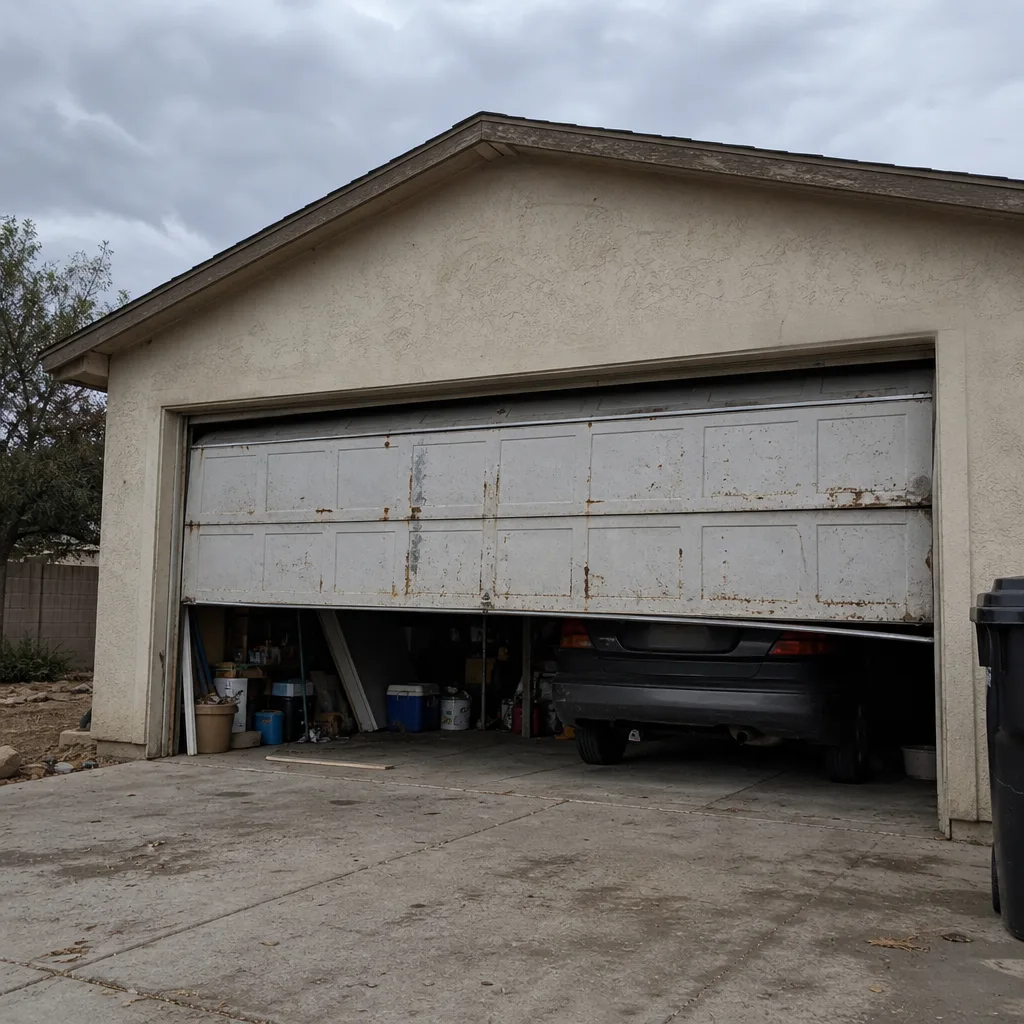 Before
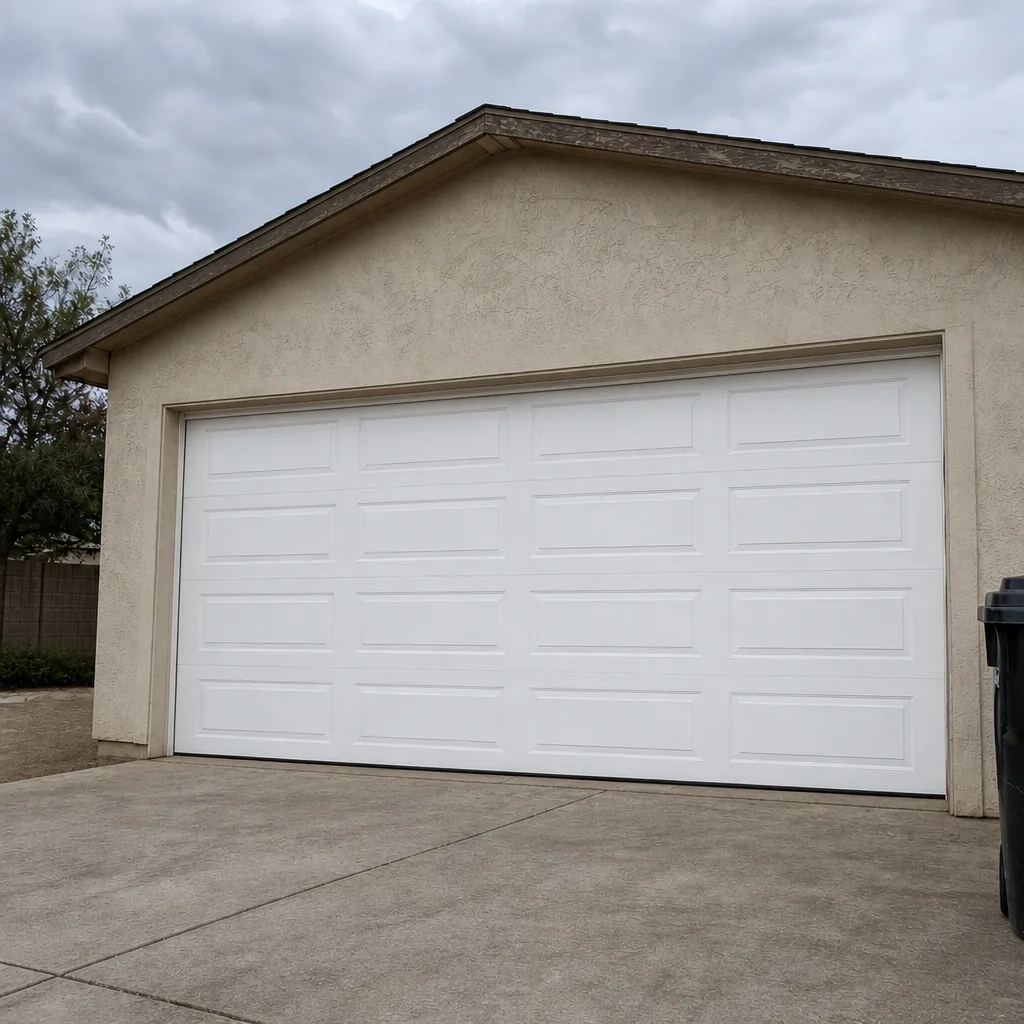 After
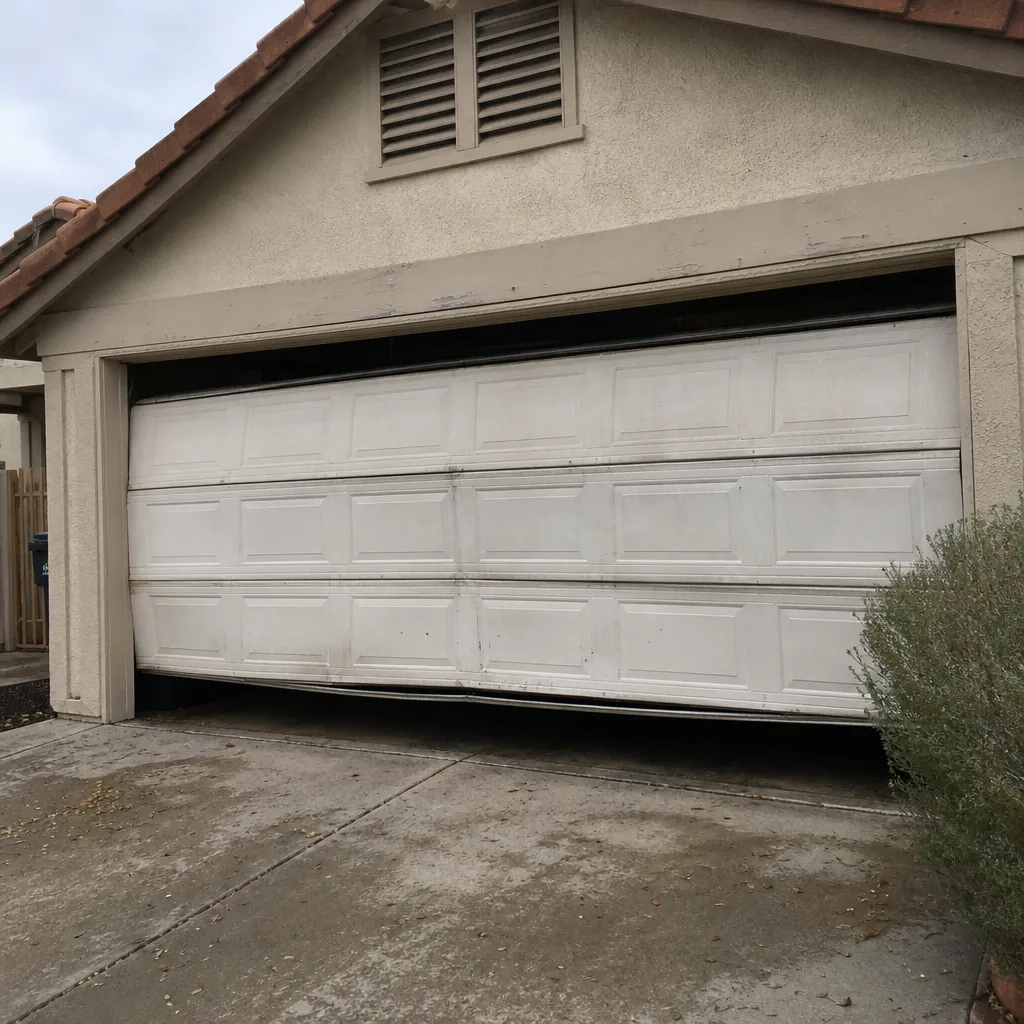 Before
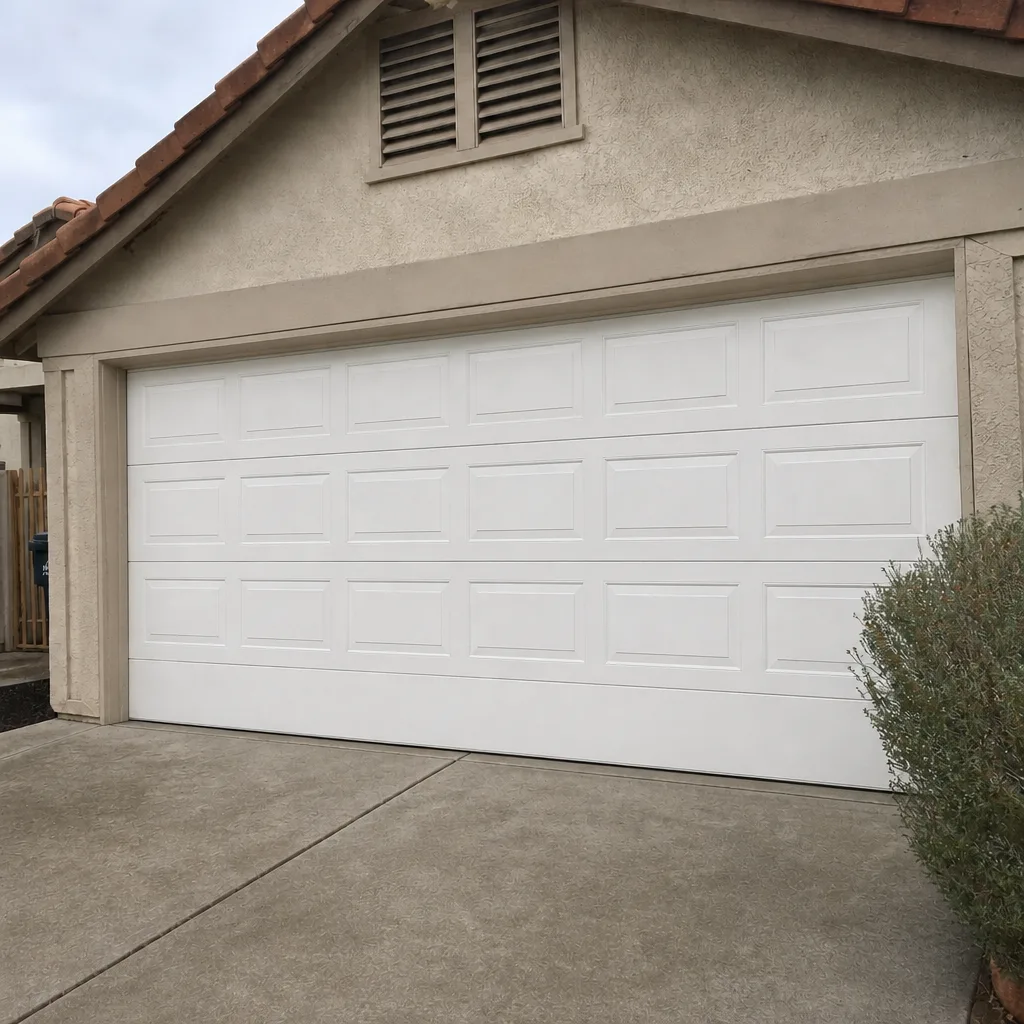 After
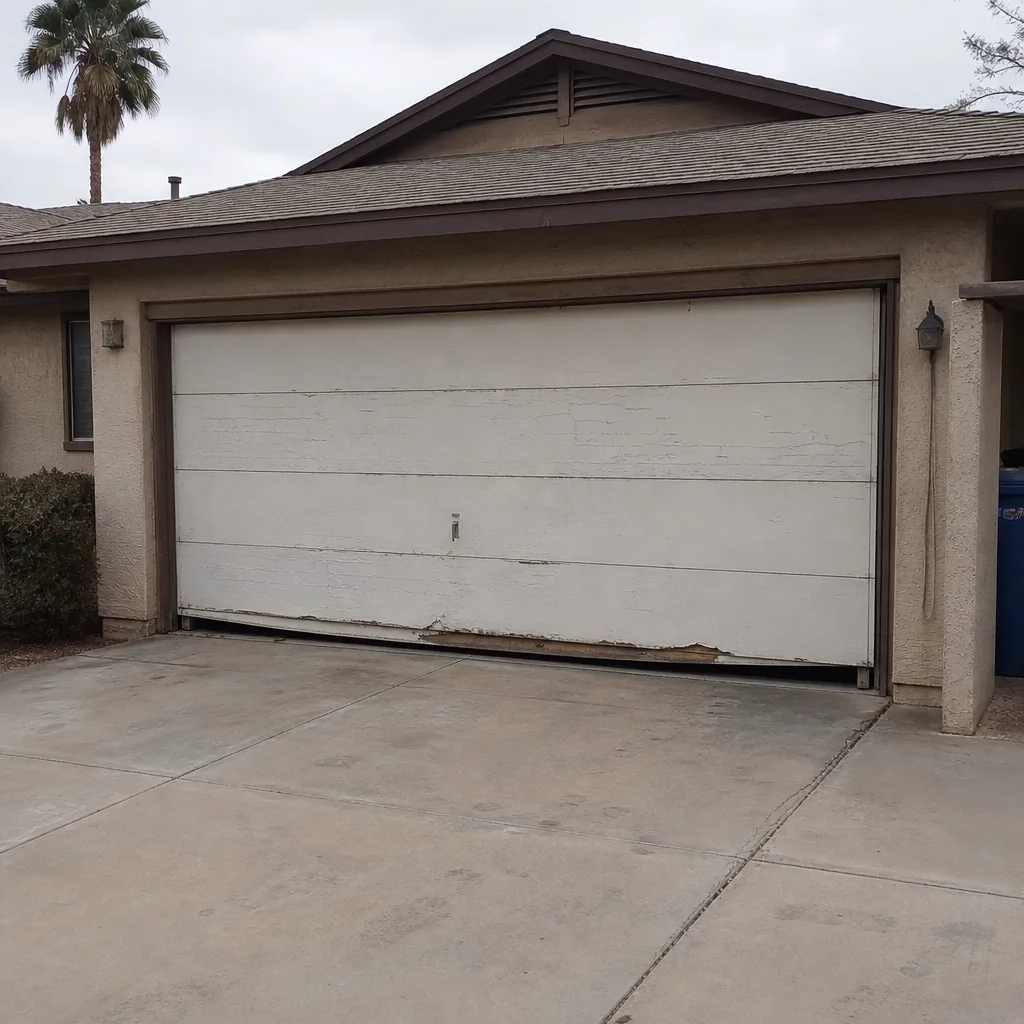 Before
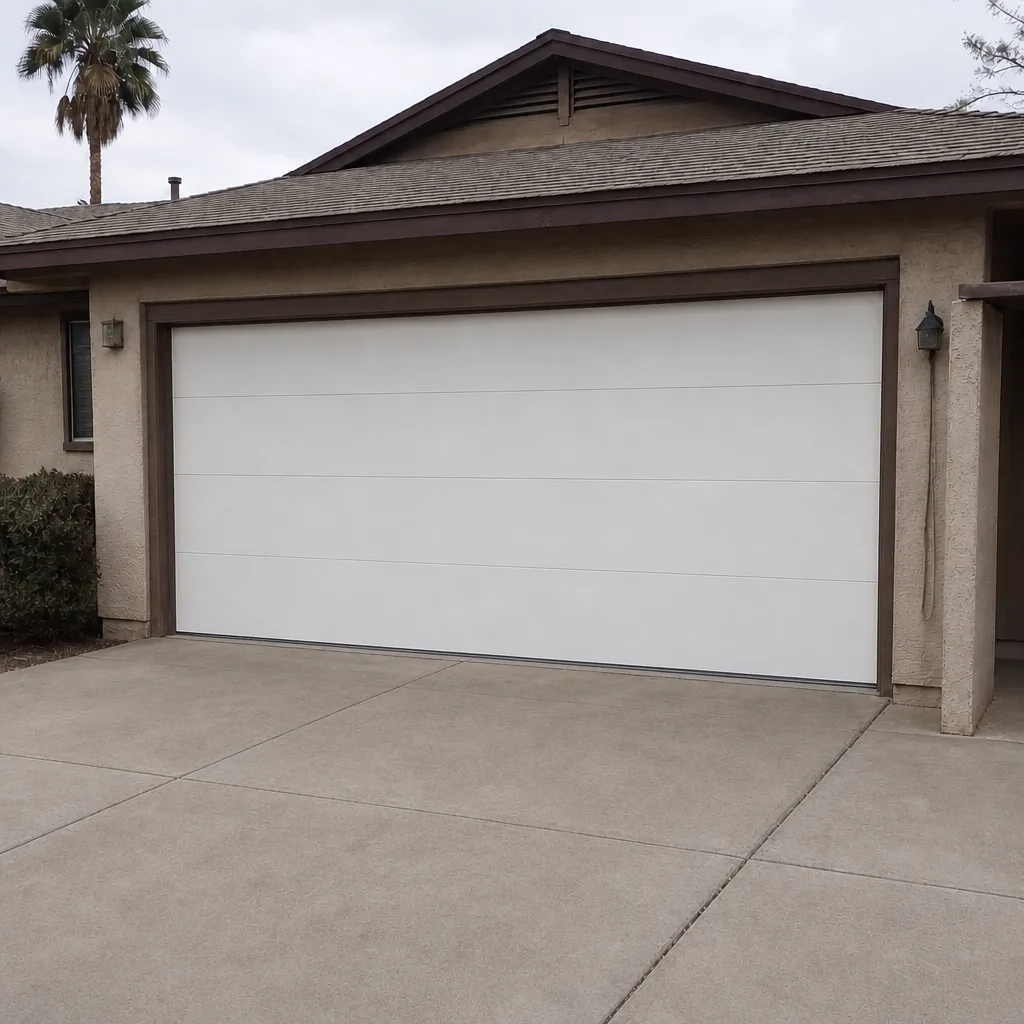 After
When to Call a Professional
Some garage door problems are safe to handle yourself: a photo-eye that needs cleaning, a track with a bit of debris in it, a lubricant refresh. Others should never be a DIY job. Call a professional if the door is unbalanced, if a spring or cable has broken or looks damaged, if the door is hanging crooked, if the opener runs but the door doesn’t move, or if you hear a loud snap followed by the door refusing to lift. Those all point to a mechanical failure, and springs and cables are under extreme tension that can cause serious injury. A technician can diagnose the door, the hardware, and the opener together and give you a written price before any work begins. Firstline Garage Door Repair offers free estimates in Tucson. Call (855) 632-1096. We answer 24/7. Fast dispatch from 7am to 7pm, Sunday through Friday.
Frequently Asked Questions
Use the red manual release cord hanging from the trolley on the opener rail. Pull it with the door fully closed, then lift the door by hand and lower it under control. Practice the pull once before you need it, and never release a door that’s already open.
Lock the door manually if it has a lock, block the opening with a vehicle if you can, and call for repair as soon as possible. A door stuck open is a security problem, so closing the opening takes priority over everything else. Don’t force a jammed door closed; call a technician.
Monsoon storms bring power outages and sudden wind and rain, and the doors that fail are usually the ones that were already worn. The outage exposes a dead opener battery or a release nobody tested, and a door with failing springs can be pushed over the edge. A pre-season check catches most of it.
Yes, if you can. In a city where a monsoon outage can last hours, a battery backup lets the door run when the power is out. Test it by unplugging the opener and pressing the button, and replace the battery if the door doesn’t move.
Repair costs depend on what failed and which parts are involved, so a written estimate is the only reliable number. Firstline gives you that estimate before any work starts, and the written price is the final price. Call (855) 632-1096 for a free estimate.
Yes. We work across LiftMaster, Chamberlain, Genie, Clopay, Amarr, Wayne Dalton, Craftsman, and Raynor, so we diagnose the system in front of us rather than steering you toward a particular brand. If your door needs repair, we lead with repair before recommending replacement.
The Bottom Line
Garage door emergencies in Tucson follow a pattern, and the pattern is predictable. Heat wears the springs and overheats the opener. Monsoon storms kill the power and test the manual release. The door that fails is almost always the one that was showing wear before the season started. The plan is small: find and test the release, check the battery backup, clear the tracks, and run the pre-monsoon checklist once a year. Then save the number of a local specialist you trust so you’re not searching for one in the dark. That’s what preparedness looks like, and it takes about twenty minutes.
If your door is already showing signs of trouble, or if you want a technician to run through the checklist with you, call Firstline Garage Door Repair at (855) 632-1096 for a free estimate. We answer 24/7. Fast dispatch from 7am to 7pm, Sunday through Friday. Our technicians have up to 15 years of experience and work on the brand you already have.
Written by the team at Firstline Garage Door Repair.