
Last updated November 15, 2026
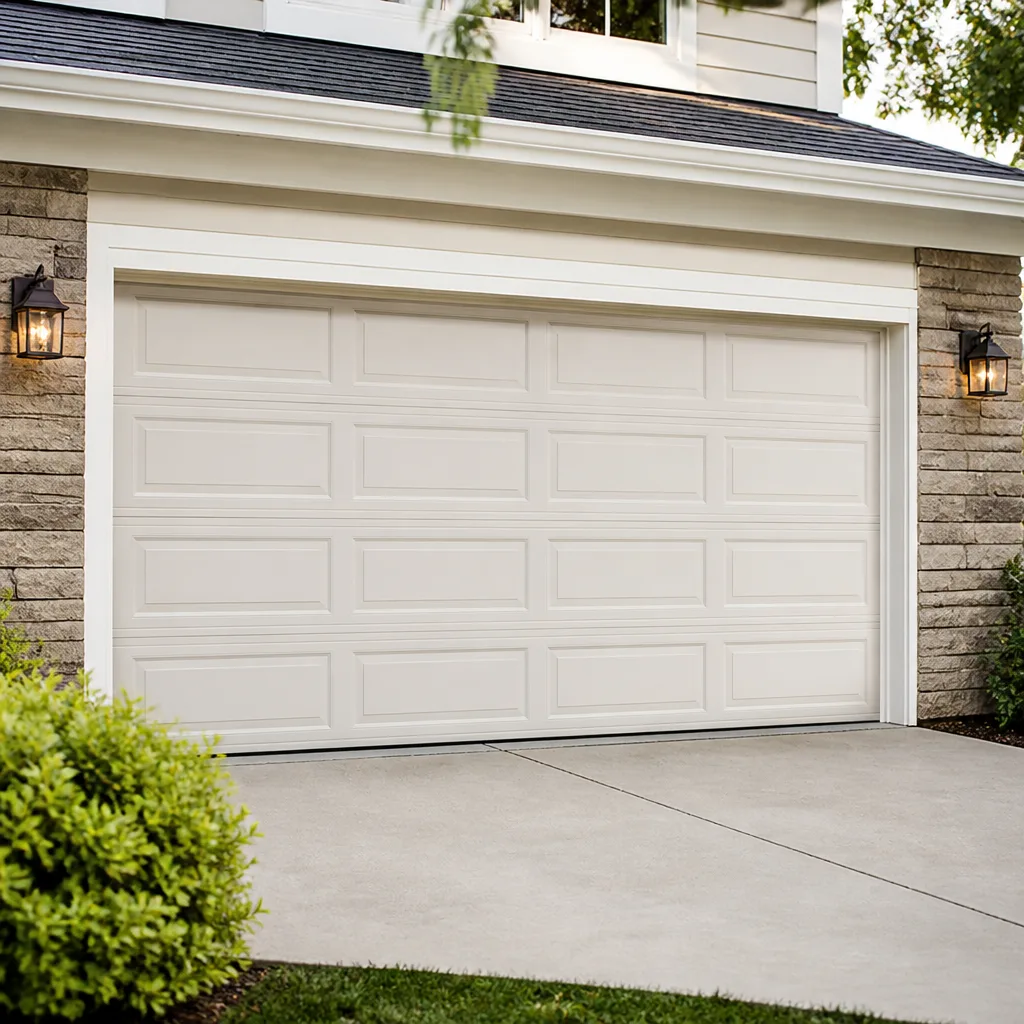 Raised-panel steel
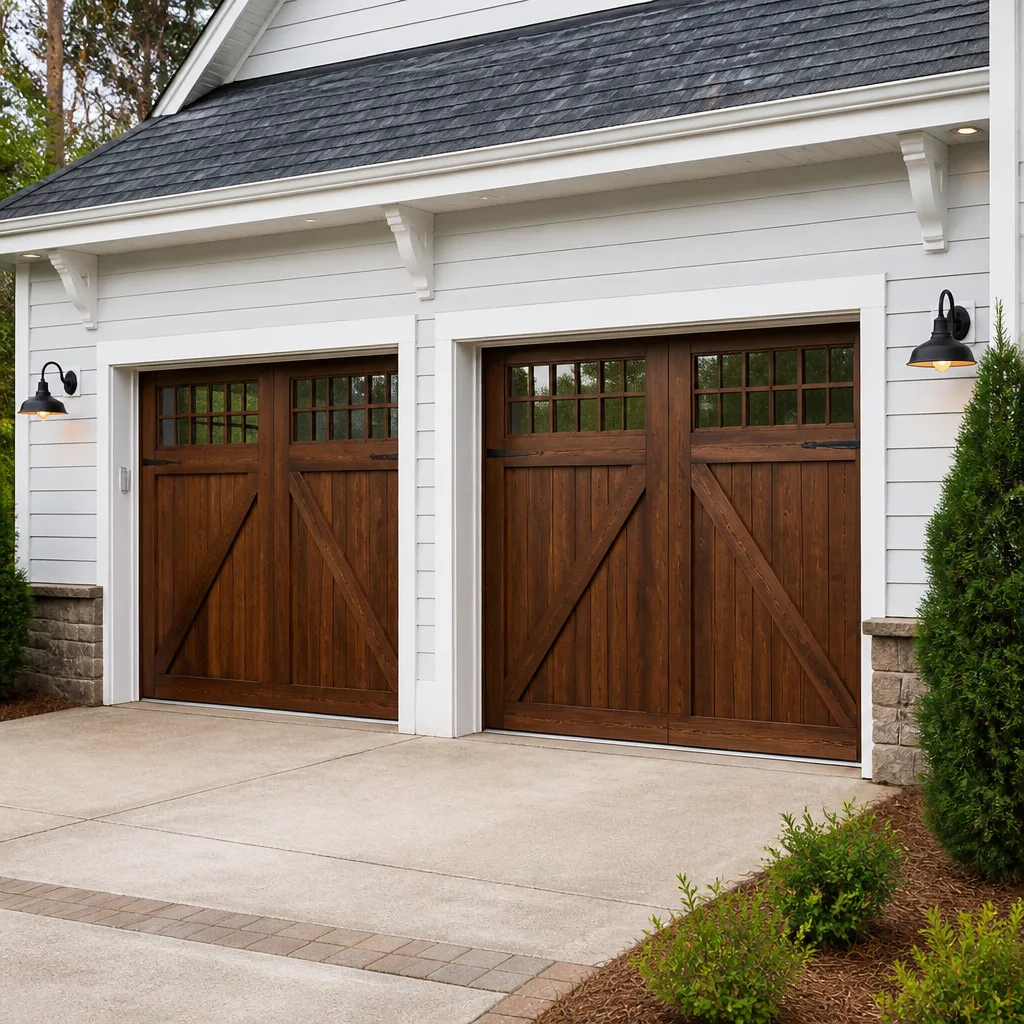 Carriage house
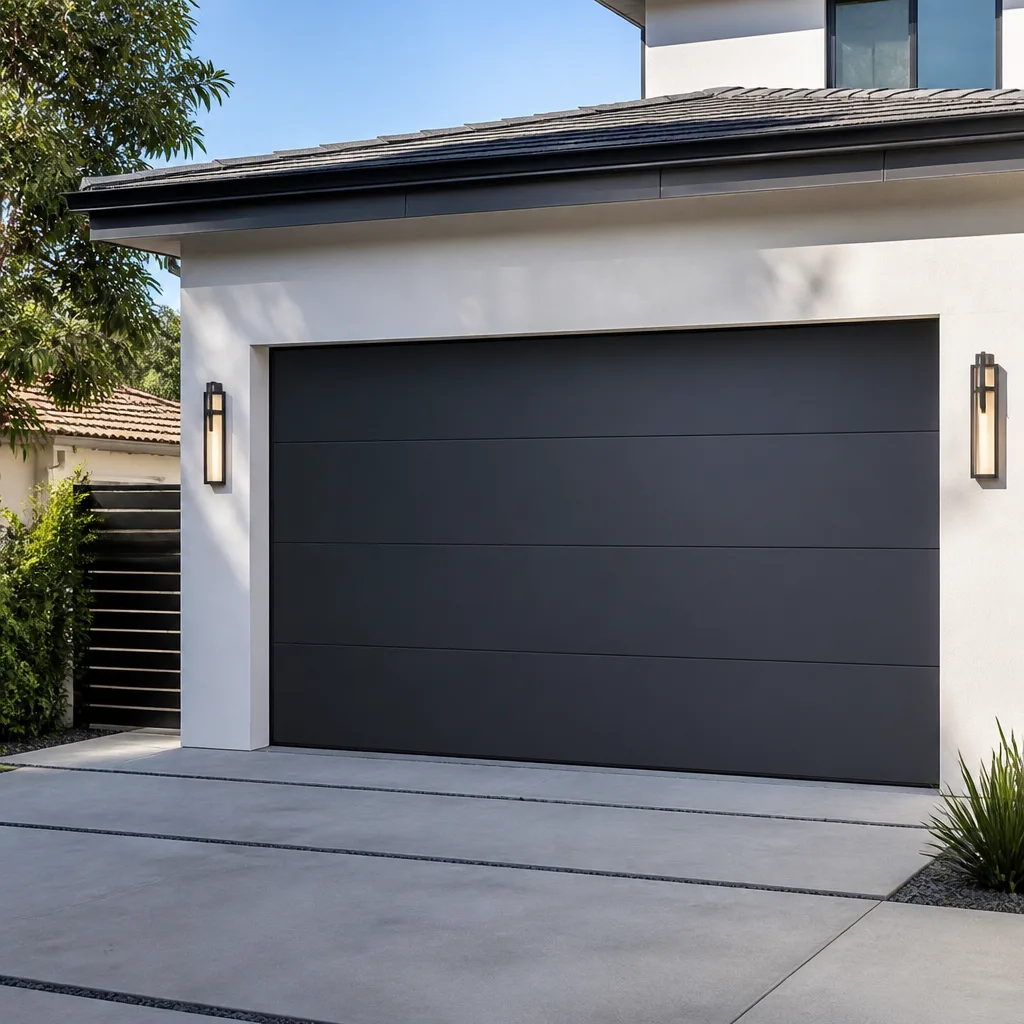 Modern flush
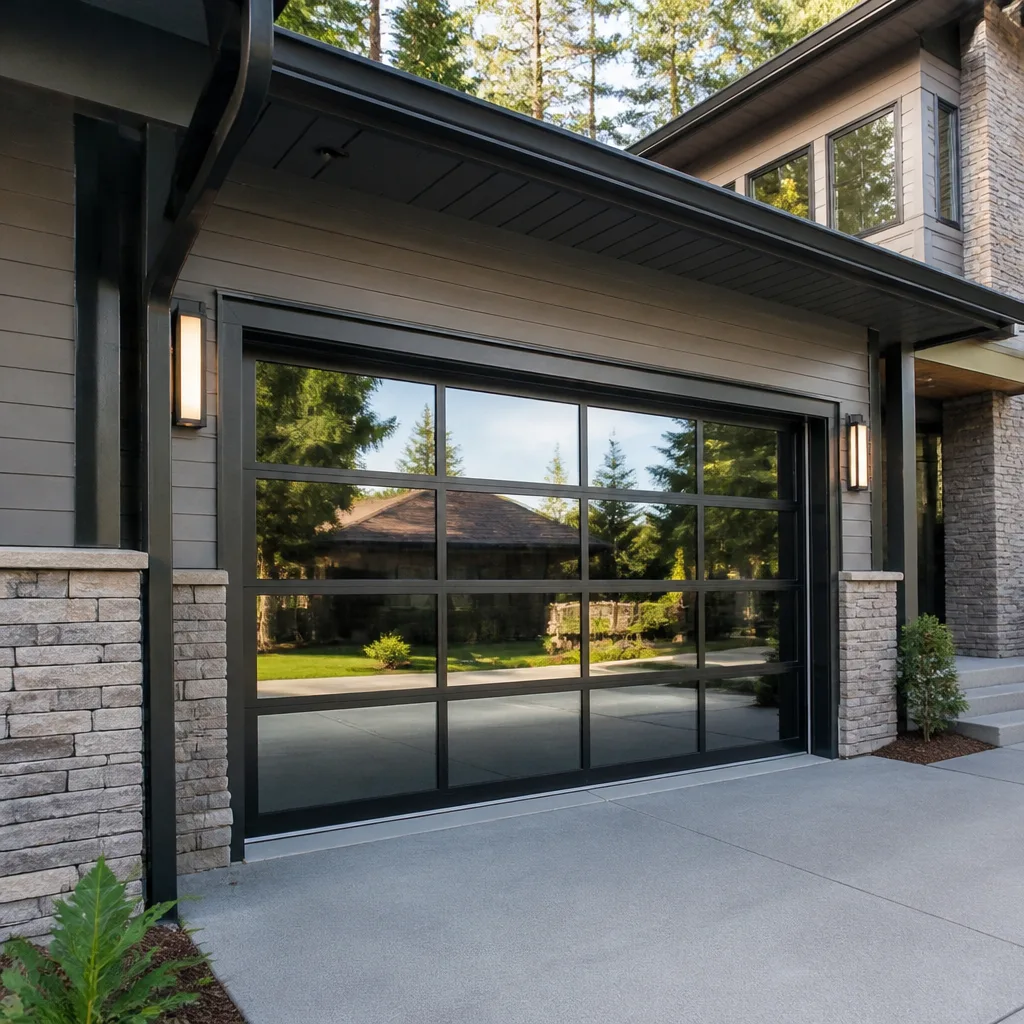 Full-view glass
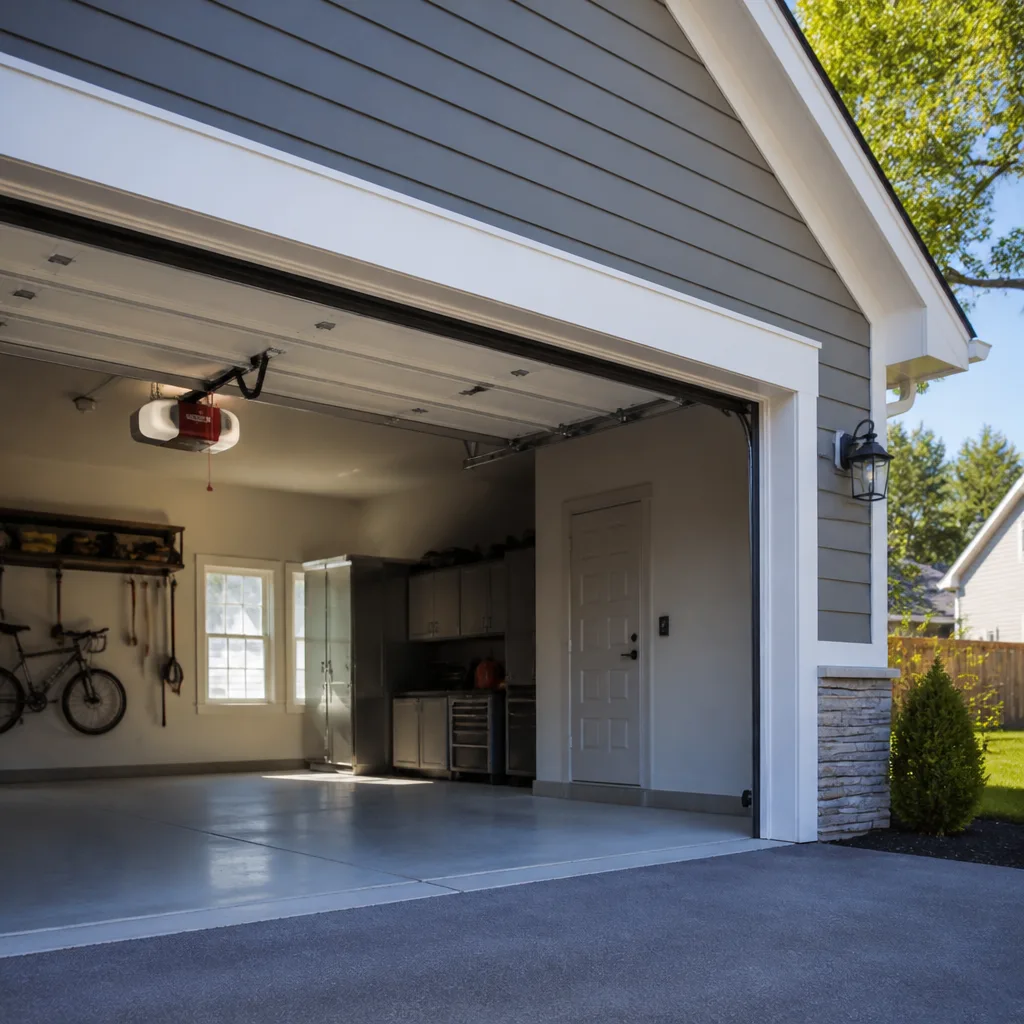 LiftMaster openers
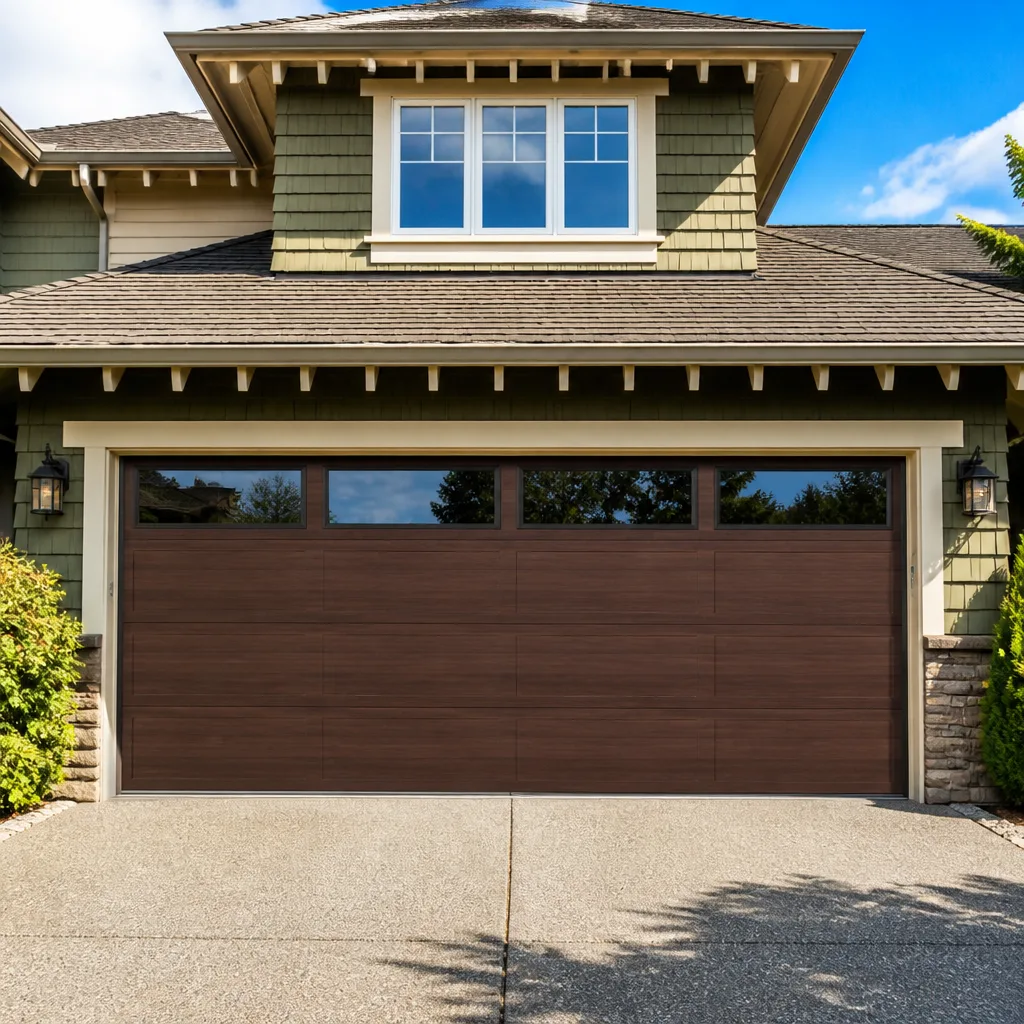 Chamberlain openers
Full 25-point door and opener safety check with every visit - springs, cables, rollers, tracks, and your LiftMaster or Chamberlain opener included
You get a price before we start. It does not change when the pro arrives.
Get your free estimateHow to Hire a Garage Door Contractor in Tucson: A Step-by-Step Guide
If the first question a garage door contractor asks is “what style of new door do you want?” before they’ve even looked at your existing system, you’re already in a sales conversation, not a diagnostic one. That’s the hiring mistake we see most often in Tucson – not skipped background checks, but homeowners who don’t know the difference between a dealer pushing their own brand and an independent specialist who fixes what’s already on the house. The dealer has a warehouse full of doors to move. The repair-first specialist has a reason to diagnose. This guide walks you through how to tell them apart, what Arizona requires of anyone working on your door, the five questions to ask before anyone touches a spring, and how to read a written estimate line by line so you know what you’re paying for.
Quick Answer
Hiring a garage door contractor in Tucson comes down to four checks: confirm the company is a licensed Arizona residential contractor with current ROC standing, verify general liability insurance and workers’ compensation, ask whether they service your existing brand regardless of what they sell, and insist on a written, line-itemed estimate with the price agreed before any work begins. Choose a repair-first specialist over a brand-tied dealer if your door still has life in it, and never let anyone start work on springs or cables without that written estimate in hand.
Styles & brands we work with
- Raised-panel steel
- Carriage house
- Modern flush
- Full-view glass
- LiftMaster openers
- Chamberlain openers
Table of Contents
- Dealer or repair specialist? The distinction that decides your quote
- Arizona licensing and insurance: what to verify before you book
- The five questions to ask before anyone touches your door
- Tucson-specific red flags: storm chasers and unmarked vans
- How to read a written estimate line by line
- Why springs and cables are not a DIY job
- Repair or replace? How to make that call honestly
- What a good service visit looks like from start to finish
Dealer or repair specialist? The distinction that decides your quote
There are two kinds of garage door companies, and they make money in different ways. A dealer is tied to one or two manufacturers. Their business model depends on selling and installing new doors, so a worn panel or a tired opener is an opportunity to quote a full replacement. A repair specialist works on the brand you already have, whatever it is, and gets paid to diagnose and fix. The quote you receive depends heavily on which one is standing in your driveway.
This matters in Tucson because so many homes have doors and openers that are perfectly serviceable with a repair. A Clopay steel door with a bent bottom section doesn’t need replacing – it needs a section and a hardware check. A Genie opener that’s stopped responding to the remote usually has a logic board or safety-sensor issue, not a terminal one. A dealer whose catalog starts and ends with one brand will steer you toward that brand. A specialist should be able to look at any of the major systems and tell you what’s actually wrong.
We’re deliberately brand-agnostic at Firstline Garage Door Repair. Our technicians are certified across eight of the most widely installed residential brands – LiftMaster, Chamberlain, Genie, Clopay, Amarr, Wayne Dalton, Craftsman, and Raynor – which means we diagnose the system in front of us rather than the one we’d prefer to sell. Your existing door is the starting point, not an obstacle.
Here’s how to tell the two apart in a five-minute phone call:
- Ask what brands they service. A dealer will name their line. A specialist will name several and not flinch when you mention yours.
- Ask what happens if the door just needs a repair. If the answer is “we can quote you a new one anyway,” you’ve learned what you needed to know.
- Ask whether they handle both the door and the opener. The door panel, the hardware, and the opener are three separate systems. One company that covers all three means one call, not two contractors pointing at each other.
- Ask if they’ll diagnose before quoting. A technician who quotes replacement over the phone, sight unseen, hasn’t diagnosed anything.
Our approach is repair first. If we can get your door back in service with a spring replacement, a new roller set, or a sensor realignment, that’s the quote you’ll get. Replacement is the conversation we have when repair genuinely won’t hold – not the opening line.
Arizona licensing and insurance: what to verify before you book
Arizona regulates residential contracting through the Registrar of Contractors (ROC), and garage door work falls under that umbrella. Before you book anyone, ask for their ROC license number and verify it yourself on the ROC website. The lookup is free and takes about two minutes. It tells you whether the license is active, whether it’s the right class for residential work, and whether there are unresolved complaints on file.
Licensing is only half the picture. You also want to confirm two kinds of insurance:
- General liability insurance. This covers damage to your property – a dented panel, a cracked window, a scraped fender in the driveway. Ask for a certificate of insurance and check that the policy is current.
- Workers’ compensation. If a technician is injured on your property and the company doesn’t carry workers’ comp, the exposure can land on your homeowner’s policy. This is not a small detail. Any legitimate operator carries it.
A company that hesitates, deflects, or promises to “send it over later” on either of these is telling you something. A licensed, insured, bonded contractor will hand over the certificate without being asked twice.
One more Arizona-specific note: garage door replacement and some structural modifications can trip local permit requirements depending on the scope. We can’t tell you what the City of Tucson will require for your specific job, but your contractor should be able to tell you whether a permit is likely and point you to the city’s building department to confirm. If they wave the question away, that’s a flag.
Our technicians are licensed and insured, and we’ll provide documentation on request. That’s the baseline, not a selling point.
The five questions to ask before anyone touches your door
These are the questions that separate a diagnostic visit from a sales visit. Ask them on the phone, before you book. The answers – and how they’re given – tell you more than any review page.
- “Can you diagnose my existing system before quoting a replacement?” You want a yes. If the answer is “we’ll see when we get there,” ask specifically whether they’ll give you a repair estimate first. A specialist will.
- “Do you service my brand, or only the brands you sell?” Name your door and opener brands when you ask. A specialist will say yes to Chamberlain, Genie, Clopay, Amarr, and the other major brands without hesitation. A dealer will steer the conversation back to their line.
- “What’s the estimated price range for this type of repair, and what’s included?” A vague answer (“depends on a lot of things”) is a warning. You want a range and the specific line items included. A typical single-spring replacement on a standard residential door in Tucson runs roughly $180 – $340 depending on door weight and spring type; a matched pair runs about twice that, since both springs are usually replaced together. Commercial-grade or oversized doors sit above that range. Ask them to break down parts and labor separately.
- “Is the price in the written estimate the price I’ll pay, or can it change once you’re on site?” The written estimate should be the price. If the technician finds something the initial diagnosis missed, the correct behavior is to stop, explain, re-quote, and get your agreement before continuing. Never a surprise invoice after the work is done.
- “Are you licensed, insured, and bonded, and can you send me the documentation?” A yes followed by a prompt certificate is the answer you want. A yes followed by silence is not.
If any of these questions produces a vague, evasive, or rushed answer, you’ve saved yourself a bad afternoon. Move on to the next company. The right contractor will welcome these questions, because the alternative – a homeowner who doesn’t know what to ask – is how the bad ones survive.
Tucson-specific red flags: storm chasers and unmarked vans
Monsoon season brings out a particular kind of problem in Tucson. Storm damage of any kind – wind, dust, flying debris – creates a window where out-of-town crews roll in, work fast, and disappear before the follow-up calls start. They’re not from here. They don’t have a local address, and they aren’t going to be around when something they installed fails in six months. This applies across trades, and garage doors are not exempt.
The signs are usually visible before they knock:
- No local address or verifiable local presence. A PO box is not a local presence. Neither is a phone number with a distant area code and no physical address anywhere on the paperwork.
- Unmarked vans. A plain white van with no business name, no license number displayed, and no paperwork ready is a red flag. A legitimate operator will show you who they are.
- Door-to-door “inspections” right after a storm. Nobody who cares about your door needs to knock on it uninvited to sell you a spring.
- Pressure to decide today. Any “this price is only good if you sign now” pitch is a sales tactic, not an emergency.
- Cash-only, no written estimate. Every legitimate contractor in Tucson works from a written estimate. If they won’t put it in writing, there’s no deal to make.
One practical check: ask for the ROC license number before they start, and look it up while they’re still in the driveway if you need to. A local contractor will understand. A storm chaser will get uncomfortable.
For homeowners who want to start with a diagnostic visit rather than a sales pitch, garage door repair is the honest first call. We diagnose, quote, and let you decide.
How to read a written estimate line by line
A good estimate is itemized. If you receive a single-line quote with a total and nothing else, ask for a breakdown. Here’s what a legitimate estimate should look like in 2026, broken down by category. These are typical ranges for residential work in the Tucson market – your actual quote depends on door type, weight, and what’s found on site.
- Torsion spring replacement (single): typically $180 – $340. A matched pair runs roughly twice that, and both springs are usually replaced together because they wear at the same rate. This is the most common repair on a standard residential door.
- Extension spring replacement: often in a similar range, slightly less on lighter doors. Ask whether the quote is for one spring or a pair. Vague spring pricing is a red flag on any estimate.
- Roller replacement (full set): typically $90 – $200 depending on roller grade – nylon or steel. Full sets are common on older doors in Tucson’s heat, since rollers dry out and stiffen over time.
- Cable replacement: typically $120 – $250 per side. Cables are not a DIY item. A snapped cable under tension will cause serious injury.
- Opener repair (board, sensor, gear, or belt): typically $120 – $350 depending on what’s failed. A logic board swap on a Chamberlain or Genie is usually toward the higher end; a sensor realignment or belt replacement toward the lower.
- Full opener replacement (unit and install): typically $350 – $700 for a standard residential belt-drive or chain-drive unit, installed. Smart openers and higher-end models run above that.
- Panel replacement (single section): typically $200 – $450 depending on door brand and panel style. Clopay and Amarr panels are usually readily available; specialty or discontinued styles may take longer to source.
Two rules for reading the estimate. First, the price in writing is the price. Second, if the technician finds something during the job that wasn’t in the original diagnosis, they should stop, explain, re-quote, and wait for your approval before continuing. An invoice that exceeds the written estimate without your sign-off is a company you should not call again.
Labor and parts should be separated. If they’re bundled into a single line with no breakdown, ask for the split – not because you need to audit every component, but because a company that can’t itemize doesn’t know its own numbers well enough to quote you honestly.
Why springs and cables are not a DIY job
This is the section we wish more homeowners read before searching for a spring on a big-box shelf. Garage door springs and cables are under significant tension at all times. A torsion spring, when it releases, moves with enough force to cause serious injury or worse. A cable under load can snap with equal force. There is no safe way to handle either without the right tools, training, and winding bars – and even experienced technicians treat them with respect.
We won’t describe how to do this yourself, because we don’t want anyone trying. The correct move when a spring breaks or a cable snaps is to leave the door closed and alone, and call a professional.
What you can safely check before calling:
- Listen for the bang. A broken torsion spring usually announces itself with a loud snap, then the door won’t lift or lifts unevenly.
- Look at the door, not the spring. A door hanging crooked, or one that lifts a few inches then stops, is a sign of a spring or cable problem. Don’t test it repeatedly.
- Check whether the opener is running but the door isn’t moving. If the motor runs and the door is still, don’t force it – the problem is mechanical, not electrical.
- If you see a visibly loose or separated cable, don’t touch it. Call a professional and keep the area clear.
Our technicians have up to 15 years of experience with these systems, and we treat every spring and cable job as the high-stakes mechanical repair it is. When you call for a Firstline Garage Door Repair, the first priority is getting your door safely back in service, not upselling you a component you don’t need.
Repair or replace? How to make that call honestly
A repair-first specialist will repair what’s repairable. The honest answer to “repair or replace” is rarely yes or no – it depends on what’s failing and whether the fix will last. Here’s how to think through it instead of taking anyone’s word for it.
Repair is usually the right call when:
- The door is one good component away from working – a spring, a cable, a roller set, a sensor, or an opener part.
- The panels are intact, even if they’re cosmetically worn. Panels and hardware can often be replaced independently, which is far cheaper than a new door.
- The opener is a major brand that’s still supported. A Chamberlain, Genie, or LiftMaster unit with a failed part is usually repairable, and parts are available for most current models.
- The rest of the system checks out – the tracks are straight, the hinges are sound, the balance is correct.
Replacement is the better call when:
- Multiple panels are structurally compromised, or the door is out of balance and can’t be brought back.
- The opener is a legacy unit with no available parts, or the underlying drive is worn out across the board.
- The door is old enough that the cost of the next three repairs will approach the cost of one new installation. We’ll tell you when that math is close, rather than padding the repairs.
What we won’t do is quote a replacement as the first option because we happen to stock that door. We’re set up across two separate purchasing decisions – the door brands (Clopay, Amarr, Wayne Dalton, Raynor) and the opener brands (LiftMaster, Chamberlain, Genie, Craftsman) – because those are genuinely separate systems with separate lifecycles. Your door might have ten good years left while your opener is failing. Those are two different calls, and we treat them that way.
What a good service visit looks like from start to finish
A good visit starts before the technician arrives. You should have a written estimate or a clear price range in your hand, a confirmed appointment window, and the name of the company coming. If any of those are fuzzy, the visit itself will be too.
When the technician arrives, here’s the sequence we run on every call. If the company you’re hiring skips any of these steps, ask why.
- Visually inspect the full system before touching anything. Door, tracks, hinges, rollers, springs, cables, and the opener. A proper diagnosis takes a few minutes, and it doesn’t start with a sales pitch.
- Test the balance and the safety reverse. A balanced door should stay put when lifted halfway. The safety reverse should trigger if something is in the beam’s path. Both are checked routinely.
- Explain the diagnosis in plain language before quoting. Not “you need a new spring” but “your left torsion spring has failed, which is why the door won’t lift, and we’d recommend replacing both springs at the same time because the right one is equally worn.”
- Provide a written estimate. Line-itemed. Parts and labor separated. Price agreed before work begins.
- Complete the repair, and test the door through full cycles. Not just “it opens now” but a real test – safety reverse, balance, and smooth travel top to bottom.
- Explain what to watch for next. Which components are aging, which are fine, when to call again. No upsell list.
That’s the whole shape of it. If the company you hire can’t give you a clear written estimate, a clear diagnosis, and a clear post-repair explanation, they’re not a specialist. They’re a sales channel. The right one is out there – and Tucson has no shortage of good operators, provided you know what to look for.
Common Mistakes to Avoid
- Skipping the ROC license check. Two minutes on the Registrar of Contractors website saves you from the contractors who cut corners on insurance and leave you exposed. Do the lookup before you book, every time.
- Accepting a phone quote without a diagnosis. Nobody can accurately quote a garage door repair without seeing the door. A same-day replacement quote over the phone is a sales call, not a repair estimate.
- Letting a dealer frame the conversation before you know your options. If a brand-tied dealer is the first company that visits, their quote will reflect their catalog. Call a repair specialist first, or at minimum ask a dealer to quote the repair alongside the replacement.
- Reading only the total on the estimate. The line items tell you what you’re actually paying for. A clean parts-and-labor breakdown is the sign of a company that knows its numbers, and it’s the only way to compare two quotes fairly.
- Treating “cash-only, no written estimate” as a modest convenience. It’s not. It’s the sign of an operator who isn’t trackable, insurable, or accountable. Walk away.
- Forcing a door that won’t lift. If the motor runs and the door stays put, don’t keep hitting the button and don’t try to lift it by hand. Springs and cables are under load, and repeated forced cycles can turn a repair into a bigger repair.
- Assuming a post-monsoon door-to-door pitch is a neighborly offer. Storm-chasing crews exist in every trade, and they follow the weather. Verify the company is local and licensed before you let anyone work.
See the difference
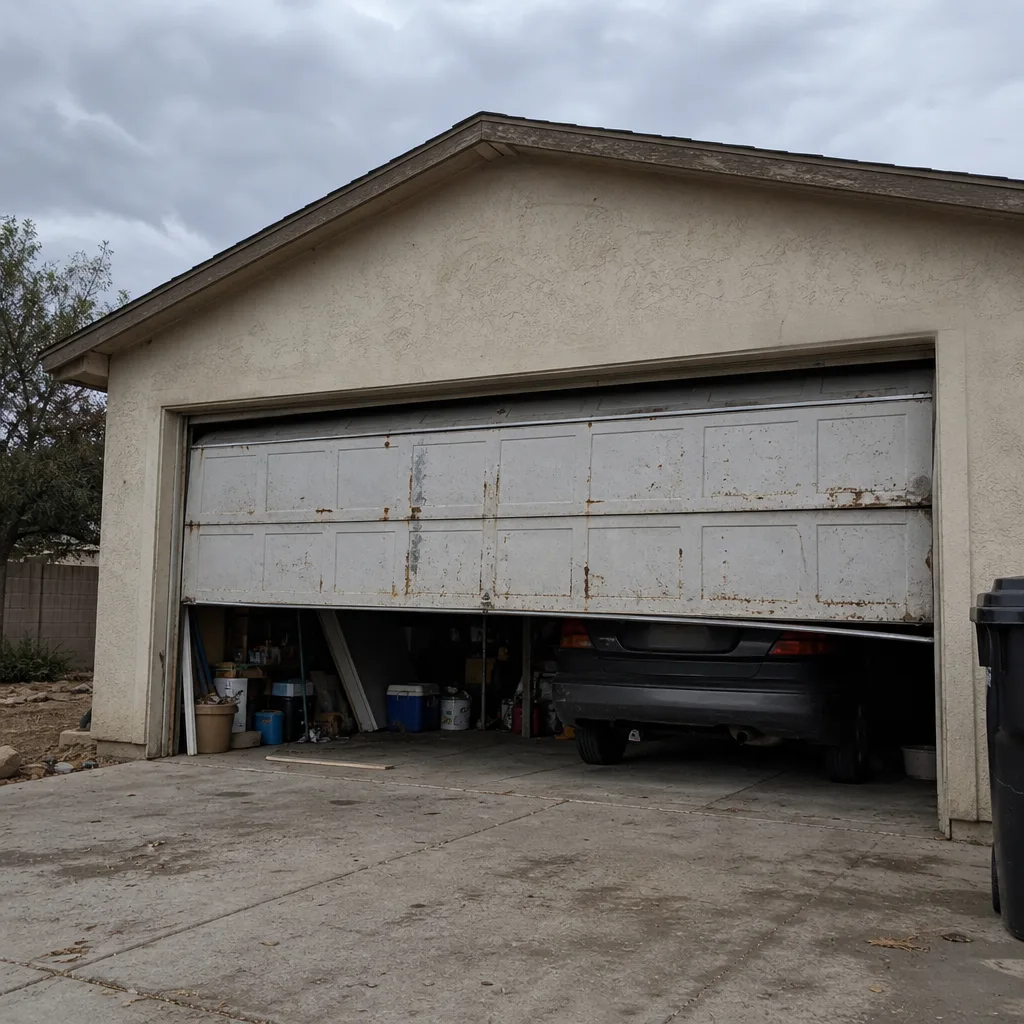 Before
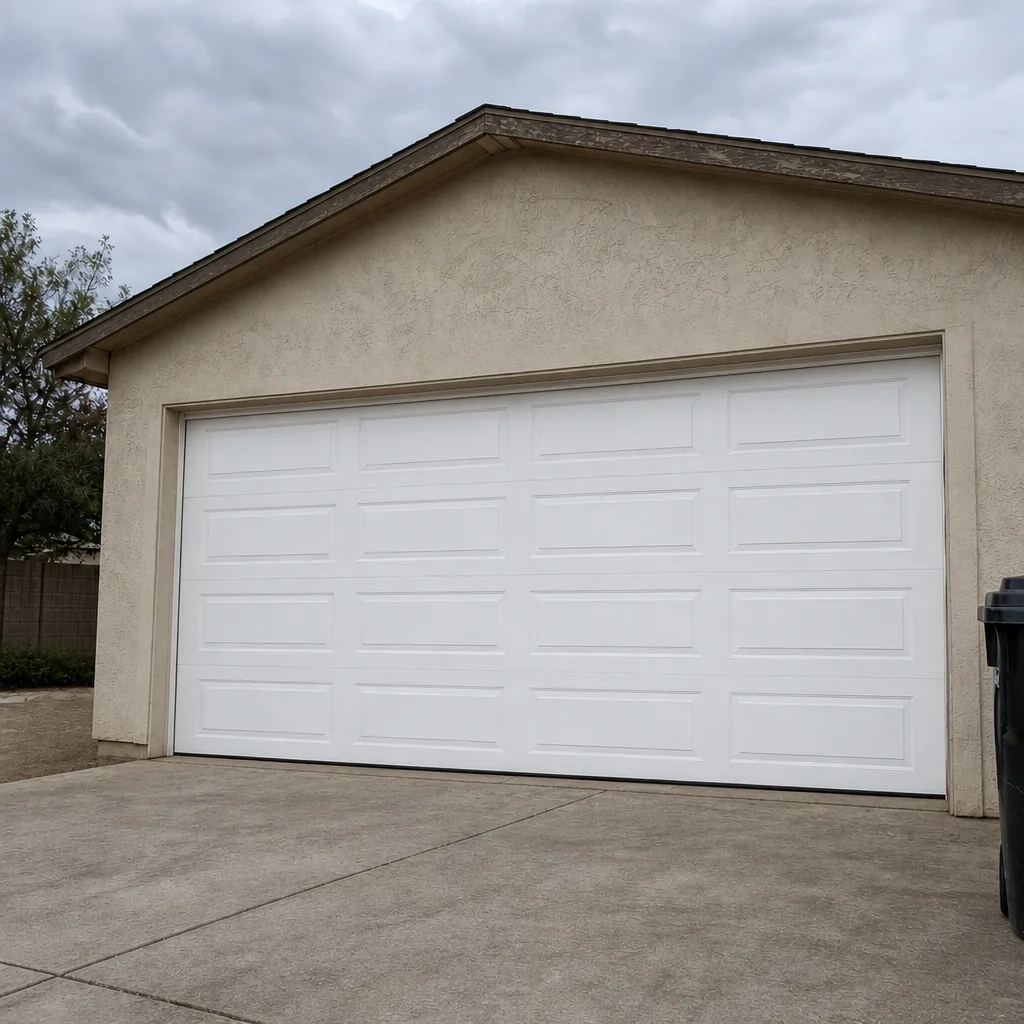 After
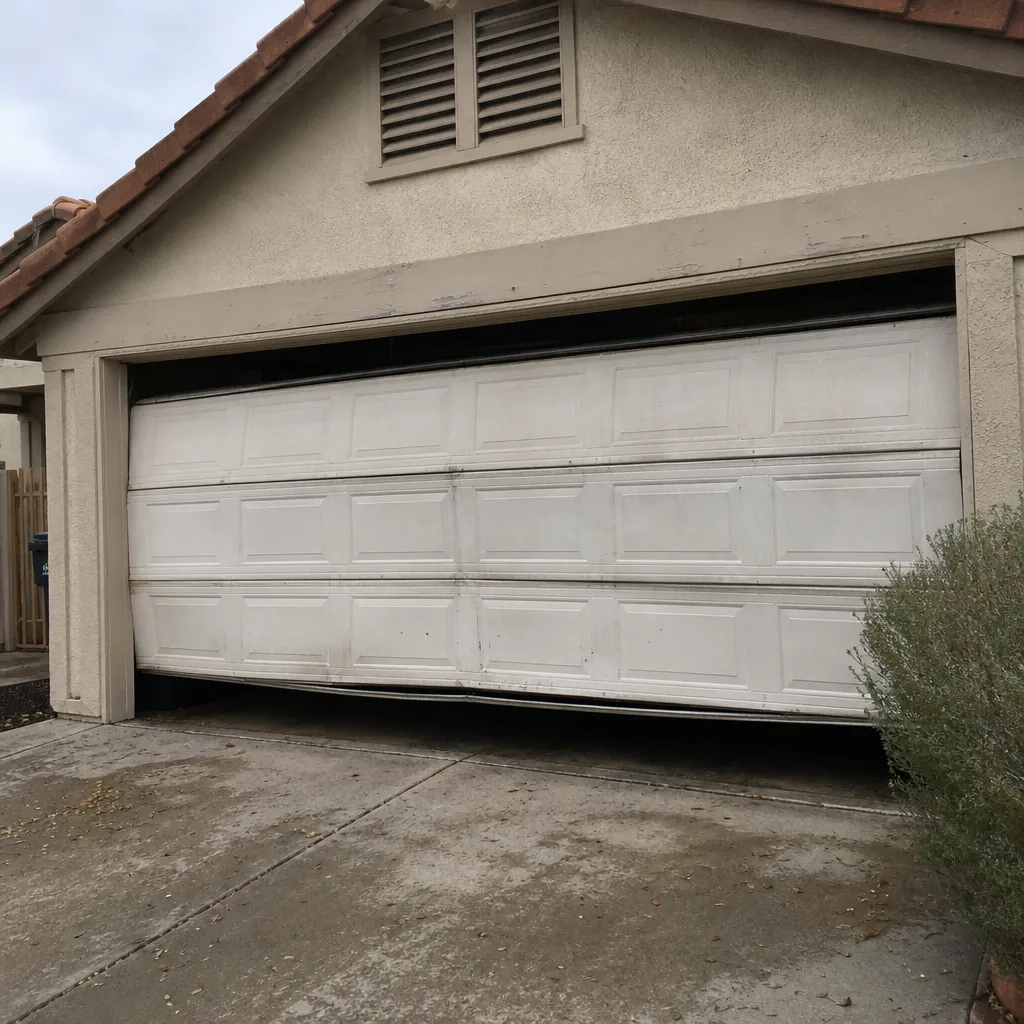 Before
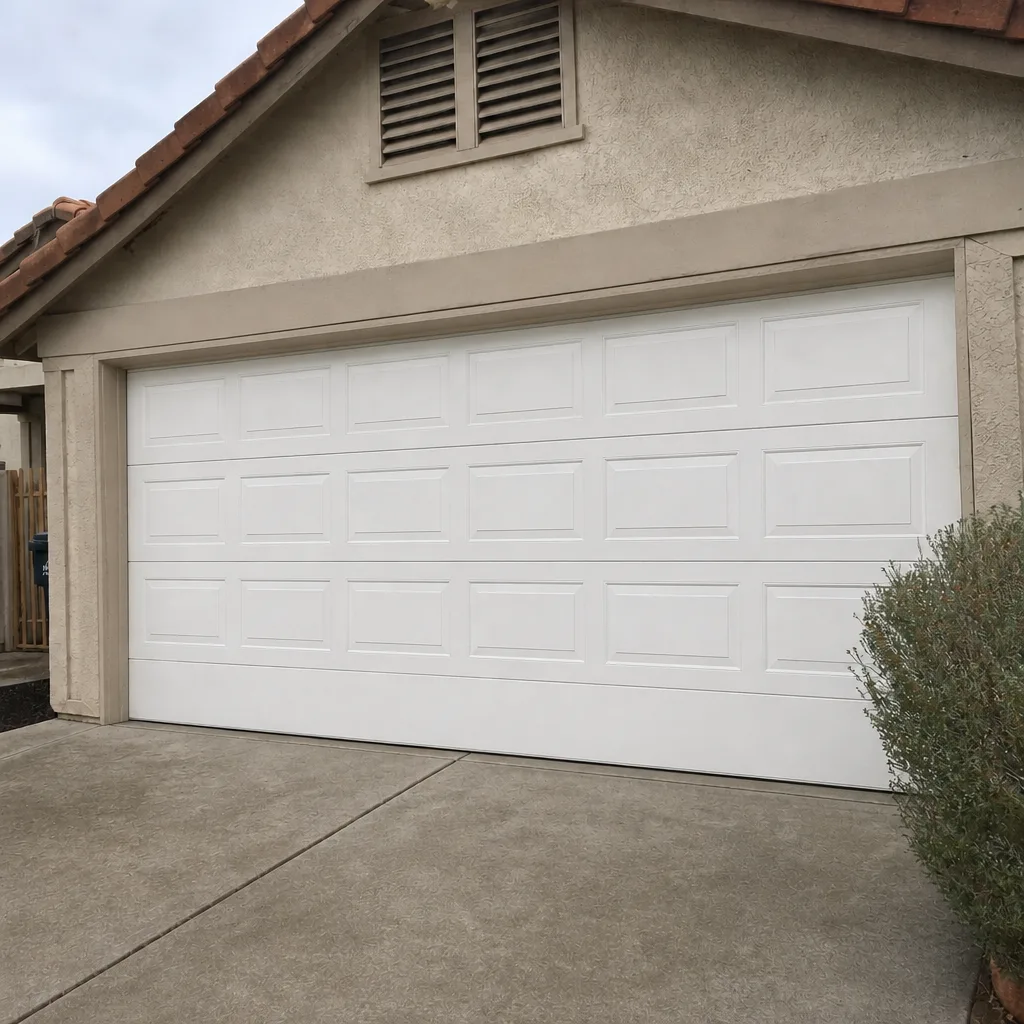 After
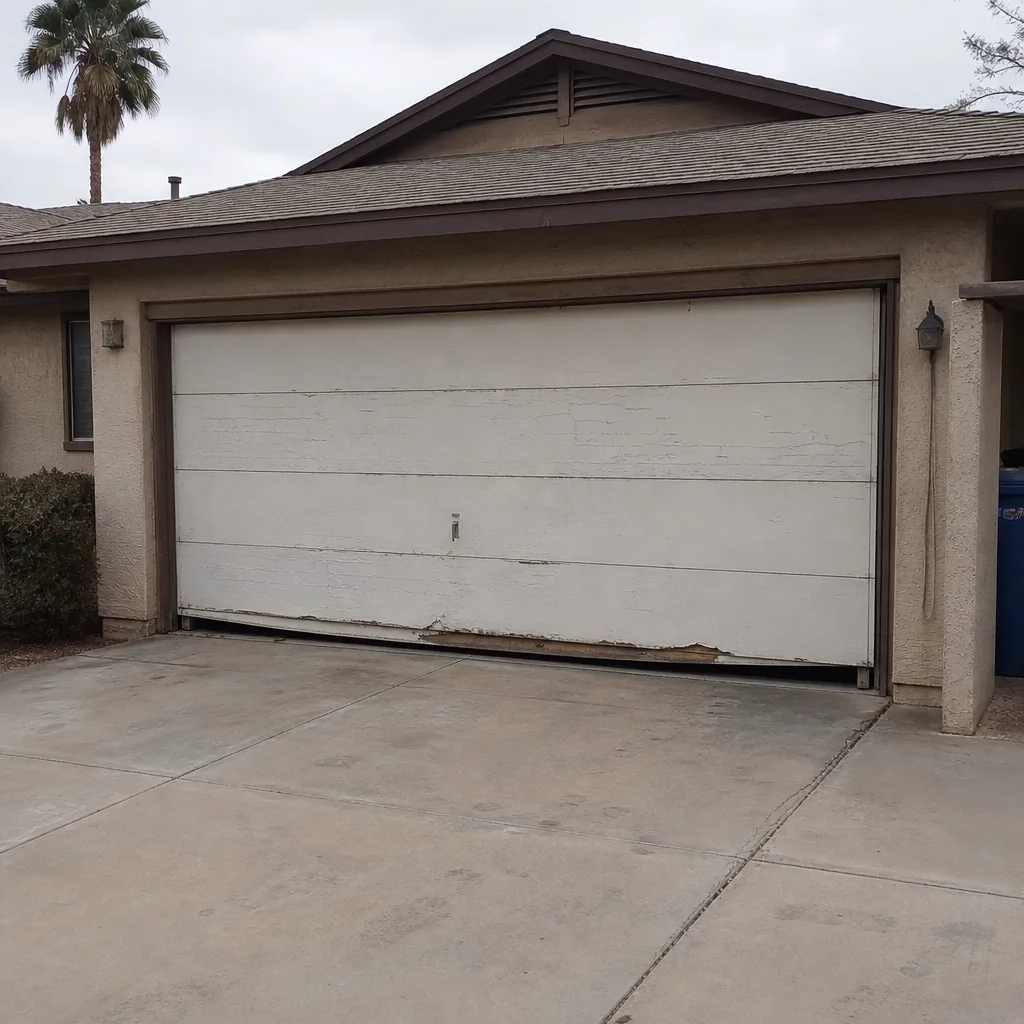 Before
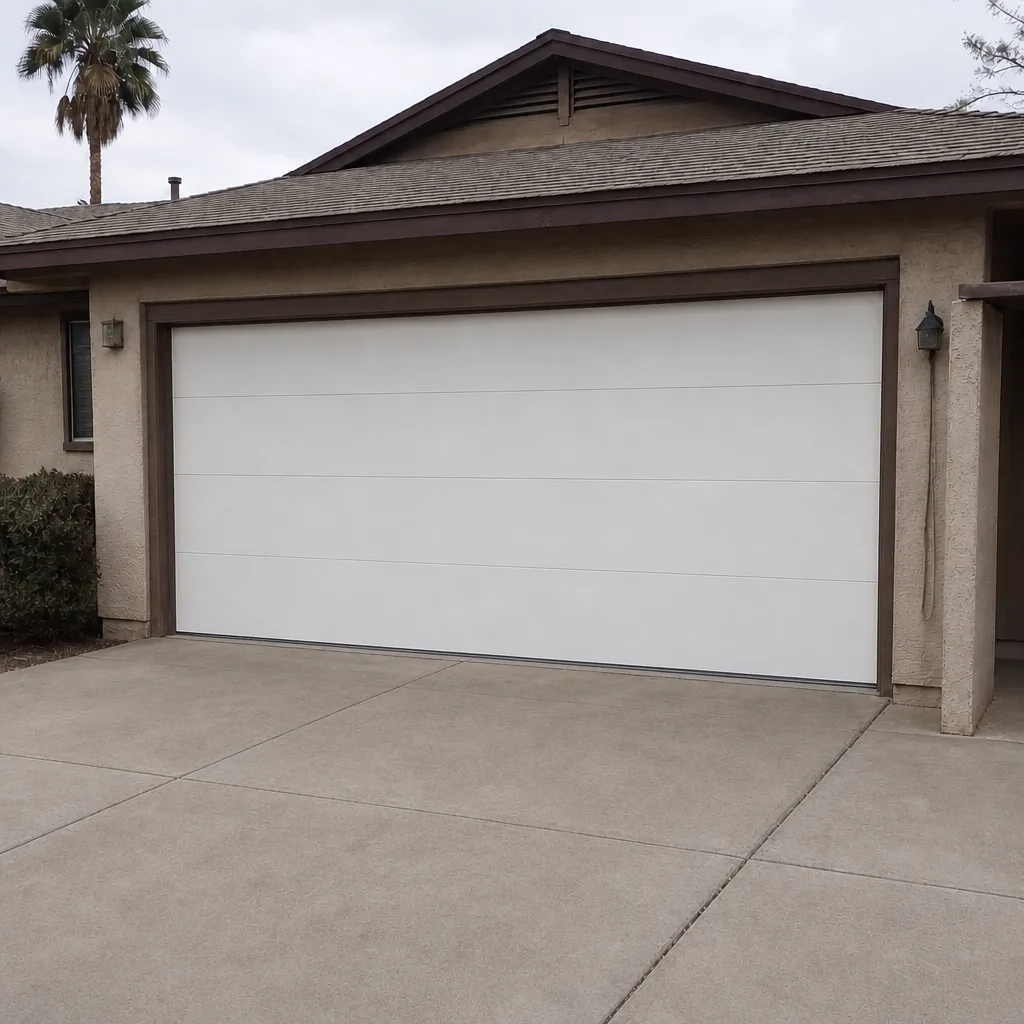 After
When to Call a Professional
Some garage door problems are worth checking yourself – a remote with a dead battery, a sensor eye with a speck of dust on it. The rest aren’t. Call a professional when the door won’t lift or lifts unevenly (a spring or cable problem), when the opener runs but the door doesn’t move, when you hear a loud snap from the spring area, when the door comes off its tracks, or when the safety reverse doesn’t trigger and the beam is clear. Call before you force anything. The mechanical components – springs, cables, torsion bars – are under constant tension, and they’re not a place to learn by doing. Our technicians have up to 15 years of experience with these systems, and we can diagnose yours without pushing a replacement you don’t need. Firstline Garage Door Repair offers free estimates in Tucson – call (855) 632-1096. We answer 24/7, with fast dispatch from 7am to 7pm, Sunday through Friday.
Frequently Asked Questions
Yes. Garage door installation and repair fall under Arizona’s residential contracting rules, and the Registrar of Contractors licenses the work. Ask for the ROC license number, look it up on the ROC website, and confirm both general liability insurance and workers’ compensation before anyone starts. A legitimate contractor will hand over the documentation without hesitation.
A single torsion spring replacement in Tucson typically runs $180 – $340, and a matched pair runs about twice that because both springs are usually replaced together. Extension springs are often in a similar range. The written estimate should be itemized and the final price agreed before any work starts. Call (855) 632-1096 for an exact quote – estimates are free.
Use an independent repair specialist if your existing door still has life in it. A brand-tied dealer’s business model depends on new installations, which means their quote naturally leans toward replacement. A repair-first specialist diagnoses the door you have and quotes the fix. If the door ultimately needs replacing, the specialist can still install – but the decision comes from diagnosis, not from a catalog.
The biggest are no verifiable local address, unmarked vans with no business name, cash-only pricing with no written estimate, door-to-door post-storm pitches, and pressure to sign the same day. In Tucson, be especially wary of out-of-town crews that show up after monsoon season. Verify the company is licensed and local before you let anyone work on your door.
A repair is priced per job by the written estimate, not by when you call. What changes is scheduling, not price. Same-day repairs are usually available when the schedule opens up, and the quote for the work is the quote for the work. Call (855) 632-1096 for a free estimate.
Compare the line items, not the totals. Ask each company to separate parts and labor, list specific components (spring type, roller grade, opener model), and confirm whether the price covers a single component or a matched pair. A quote that doesn’t itemize is not comparable to one that does. If the two totals are wildly apart, the difference is usually in what’s included, not in the labor rate.
No. Torsion and extension springs are under significant tension at all times, and a spring that releases mid-repair can cause serious injury. Cables carry the same risk. Leave the door closed, keep the area clear, and call a professional. Our garage door opener repair and door service technicians handle spring and cable work as routine, and can often get you back in service the same day.
Most major residential brands are serviceable, including Chamberlain, Genie, Clopay, Amarr, LiftMaster, Wayne Dalton, Craftsman, and Raynor. Ask the company you’re considering what they service before you book. A specialist should be able to work on the door and the opener as two separate systems, not just one brand across the board.
The Bottom Line
The garage door hiring decision in Tucson comes down to whether the company standing in your driveway is diagnosing your door or selling you a new one. Verify the ROC license and insurance first. Ask the five questions before anyone touches a spring. Read the written estimate line by line and treat it as the price, not a starting point for negotiation. Choose a repair-first specialist who works on the brand you already have, and you’ll usually spend less than the dealer down the street wanted to charge. If something feels rushed, vague, or too good to be true, walk. The right contractor will welcome every question you ask. Call (855) 632-1096 for a free estimate.
Written by the team at Firstline Garage Door Repair.