
Last updated November 15, 2026
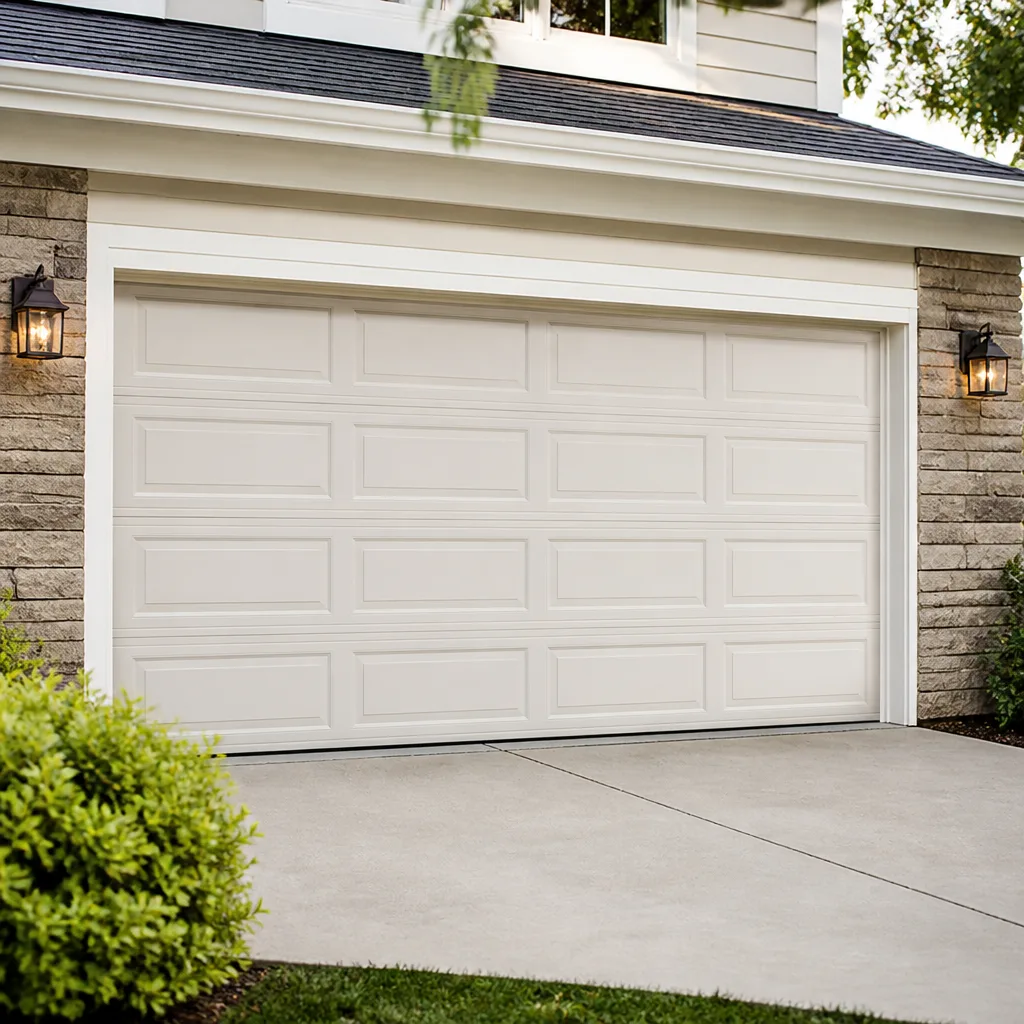 Raised-panel steel
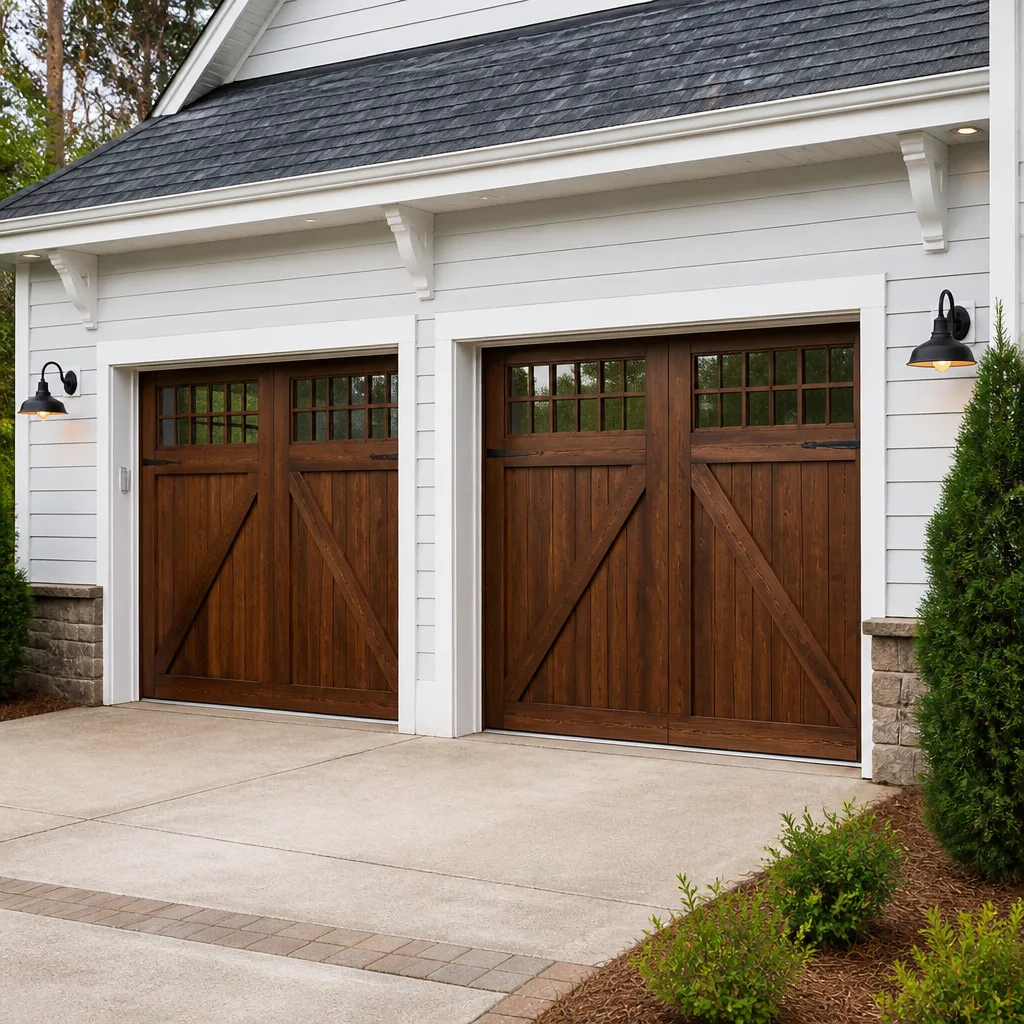 Carriage house
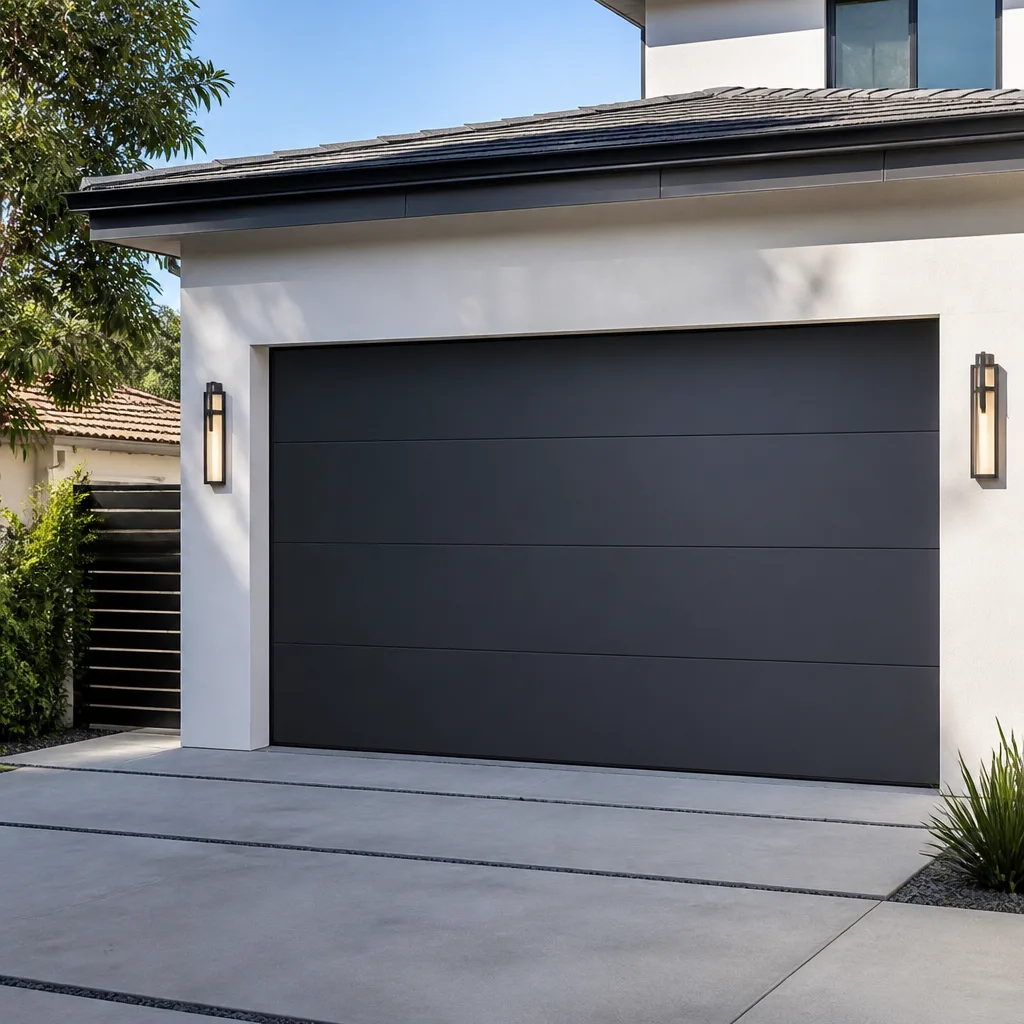 Modern flush
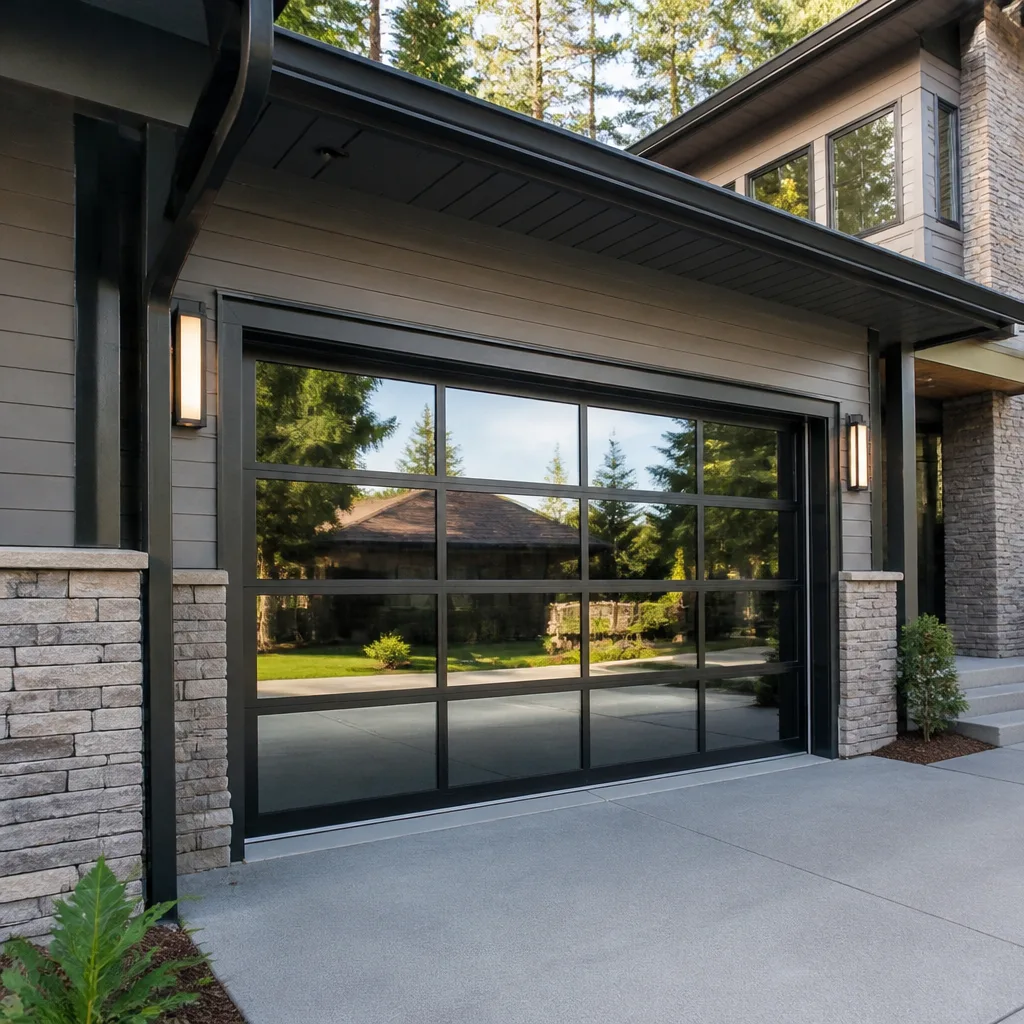 Full-view glass
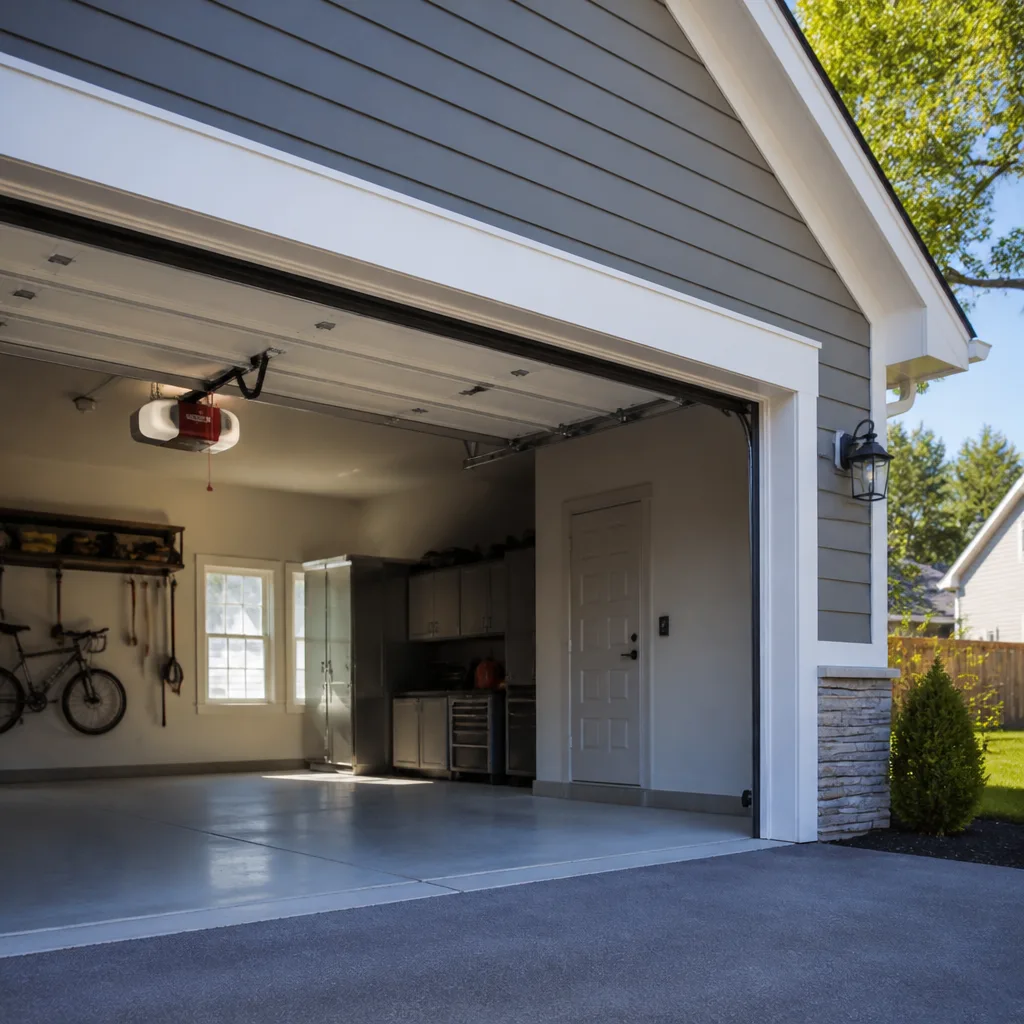 LiftMaster openers
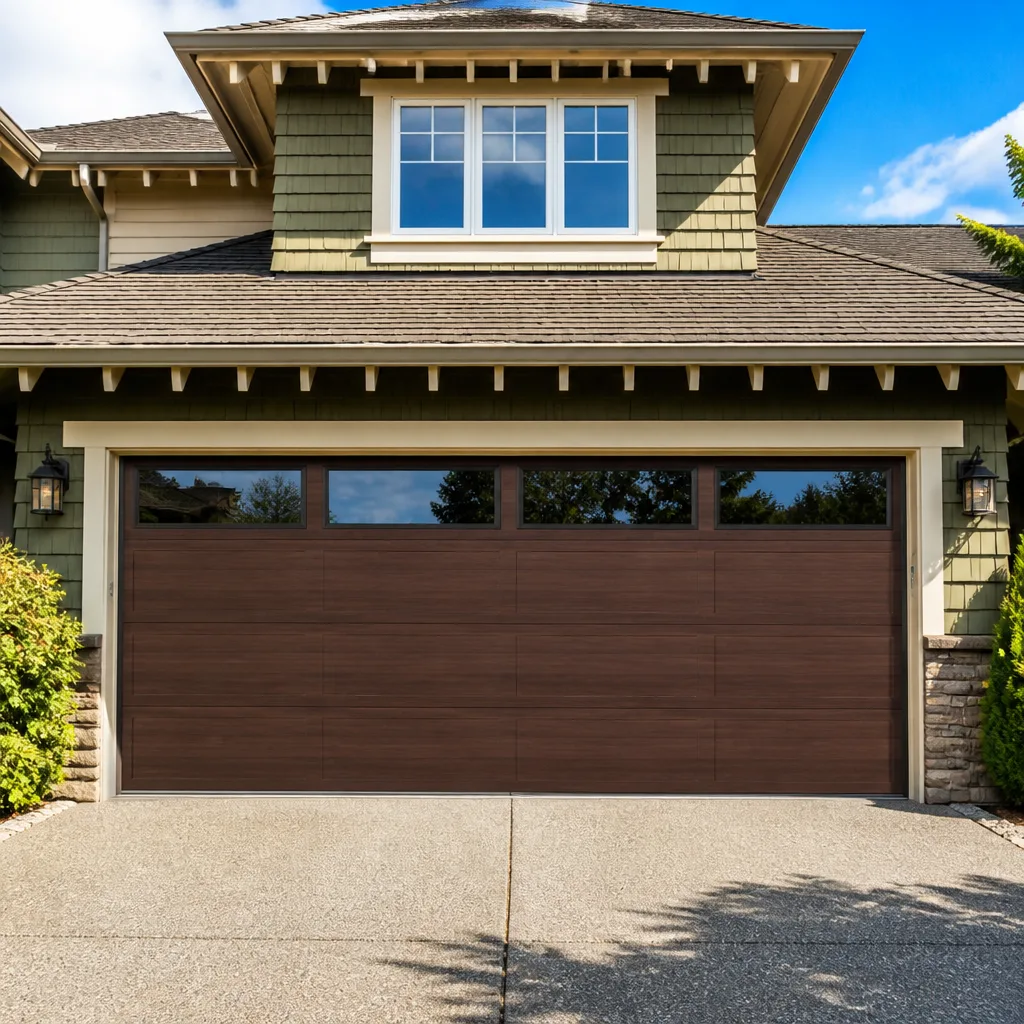 Chamberlain openers
Full 25-point door and opener safety check with every visit - springs, cables, rollers, tracks, and your LiftMaster or Chamberlain opener included
You get a price before we start. It does not change when the pro arrives.
Get your free estimateChoosing the Right Garage Door Brand: A Buyer’s Guide for Tucson
Here’s something most brand guides won’t tell you: the garage door brand that’s “most popular” in Tucson is often just the one with the strongest local distributor, not the one that holds up best under our sun. Marketing brochures are written to win shelf space with dealers. Your actual door has to survive triple-digit summer heat, intense UV, and monsoon-season dust for decades. Those are different problems. So this guide doesn’t rank brands by ad budget. It walks you through how materials, finishes, steel gauge, warranty language, and local parts availability actually perform for Tucson homeowners. By the end, you’ll know how to evaluate any brand, spot the difference between premium and builder-grade lines, and ask better questions before you sign.
Quick Answer
The right garage door brand for your Tucson home is the one that pairs a heavy steel gauge and a genuine powder-coat finish with a model line your local contractors can actually source panels and parts for. In practical terms, that means evaluating Clopay, Amarr, Wayne Dalton, and CHI on equal footing rather than defaulting to whichever name your contractor leads with. Brand matters less than the specific model line, the finish quality, and how quickly your area can get replacement parts.
Styles & brands we work with
- Raised-panel steel
- Carriage house
- Modern flush
- Full-view glass
- LiftMaster openers
- Chamberlain openers
Table of Contents
- Why the Most Popular Brand Isn’t Always the Best Door for Tucson
- UV Resistance: The Factor That Separates Brands in the Desert
- Steel Gauge, Insulation, and What Our Heat Does to Both
- Why Powder-Coat Finish Quality Matters More in Tucson
- Premium vs. Builder-Grade Lines: How to Tell What You’re Being Quoted
- How to Evaluate Local Parts Availability Before You Buy
- How to Verify a Warranty Is Honored Locally, Not Just Nationally
- The Second Decision: Matching a Door Brand to Your Opener
Why the Most Popular Brand Isn’t Always the Best Door for Tucson
A garage door brand becomes “the popular one” in a market for reasons that have little to do with product performance. Distributors sign up dealers. Dealers stock what their distributor discounts. Builders install what’s available in bulk when they pull permits. By the time a homeowner in a new subdivision in Vail or Rita Ranch goes looking, the neighborhood is full of one or two brands, and it feels like that must be the good one.
That logic breaks down in the desert. What matters here is how a door handles heat cycling, UV exposure, and dust. A brand with a strong dealer network but a light-gauge door is the wrong choice for Tucson even if it’s installed on half the street.
Here’s the practical takeaway: treat national popularity as a data point about distribution, not a quality ranking. Evaluate the door itself.
In our experience servicing garage doors across Tucson, we’ve seen the same handful of brands repeatedly. Clopay, Amarr, Wayne Dalton, Raynor, and CHI are the names most homeowners end up choosing between, and every plan discussed in this guide applies to all of them.
UV Resistance: The Factor That Separates Brands in the Desert
Tucson gets intense sun for most of the year, and the front of a garage door typically faces west or south where the exposure is worst. That daily dose of UV breaks down cheap finishes, fades paint, and makes vinyl or low-grade plastic trim brittle. So UV resistance is not a minor spec here. It’s the single most important long-term performance factor in a garage door purchase.
Here’s how to compare brands on UV resistance without relying on marketing claims:
- Look at the finish specification, not the color. “Baked-on” or “powder-coat” finishes are cured at high heat and bond to the steel far better than paint sprayed and air-dried. Ask any contractor to show you the finish spec sheet for the exact model being quoted.
- Compare warranty terms on finish fade. Some brands exclude finish fade from their warranty entirely; others cover it for a defined period. The excluded-versus-covered distinction tells you more than the brochure’s “weather-resistant” language.
- Check panel material. Steel with a factory-applied finish handles Tucson UV better than vinyl-backed panels, thin composite skins, or doors with painted-on field finishes.
- Button counts and texture matter too. A textured powder finish hides minor scuffs and doesn’t chip the way flat paint does.
If you’re comparing Clopay, Amarr, Wayne Dalton, and CHI side by side, ask each dealer to bring the finish warranty language in writing. That single request cuts through a lot of noise.
Steel Gauge, Insulation, and What Our Heat Does to Both
Steel gauge is the thickness of the metal in the door panel. Lower gauge numbers mean thicker steel: a 24-gauge door is meaningfully heavier and more rigid than a 27-gauge or 28-gauge one. During Tucson’s summer, thin steel flexes more under heat load, dents more easily, and holds its shape less well over time. Thicker steel resists all of that.
Insulation is the second variable. Many builder-grade doors are uninsulated or use a thin polystyrene backing. In Tucson, an insulated door isn’t just a comfort feature; it’s a structural one. An insulated door handles expansion and contraction across the front of the panel better and keeps the garage cooler in summer. It’s not just about the attached house; garages on Tucson’s east side routinely bake in the sun. If you have a water heater, laundry, or workshop in the garage, insulation matters in practical terms.
Here’s what to look for and what to ask:
- Ask the gauge number of the model being quoted. Not the brand average. The specific model. A brand’s premium line may be 24-gauge while its builder line is 27-gauge.
- Ask about the insulated core type. Polyurethane has a higher insulation value per inch than polystyrene. Both are common; the difference is measurable.
- Look at the panel struts and cross-bracing. A heavier door needs better hardware or the springs and hinges wear faster.
- Compare the weight of the door to the opener’s rated lift capacity. If the door is heavier than the opener can reliably lift, that’s a future repair call, not a benefit.
Every model line a contractor quotes should come with the gauge and R-value information in writing. If they can’t tell you the gauge, that’s a useful signal too.
Why Powder-Coat Finish Quality Matters More in Tucson
In a milder climate, a door with an average finish might hold its appearance for fifteen or twenty years before noticeable fading. In Tucson, the sun accelerates that timeline. A poorly finished door can start to look tired much sooner, and once the finish fails, the underlying steel is exposed to dust, moisture, and thermal cycling. So powder-coat quality is not just a cosmetic concern here. It’s a lifespan concern.
What separates a real powder coat from a paint job with a fancy label:
- Applied at the factory, not in the field. Factory powder coat is cured at controlled high heat. Field-applied paint cannot replicate the bond.
- Uniform thickness across the panel. Cheap finishes go thin at the edges and on the panel lips. That’s where rust starts in the desert when monsoon humidity gets in.
- Color consistency across replaceable panels. If you ever need to replace one panel, a brand that maintains consistent powder-coat color batches keeps a replacement panel from looking like a mismatched patch.
- Warranty language specific to fade and corrosion. A finish warranty that covers fade and a finish warranty that doesn’t are two different products, even if they share a brand name.
When you’re comparing powder-coat quality across Clopay, Amarr, Wayne Dalton, and CHI, don’t just look at the door in the showroom. Ask for the finish specification and the written fade warranty for the model being quoted. That’s where the real answer lives.
Premium vs. Builder-Grade Lines: How to Tell What You’re Being Quoted
Almost every major garage door brand in the U.S. sells at least two product tiers: a premium residential line and a builder-grade line. They can share a brand name and look identical from a photograph. The difference shows up in gauge, insulation, hardware, and warranty terms. It’s the single most common source of frustration in garage door purchases.
A homeowner sees a quote for a Clopay door at one price and a Clopay door at a much higher price and assumes the higher one is “the same door marked up.” It’s usually not. One is often a builder line, one is often a premium line, and the spec sheets diverge on every meaningful dimension.
Here’s how to tell which one you’re actually being quoted:
- Ask for the exact model number in writing. Not “a Clopay door,” not “an Amarr steel door.” The model number. Then look it up on the manufacturer’s site.
- Ask which tier it belongs to. Every major brand publishes its tier structure. The contractor should know exactly which tier the quote is for.
- Compare the warranty side by side. Builder lines often carry shorter or narrower warranties than premium lines, sometimes with different exclusions.
- Compare the gauge and insulation specs. Builder lines typically use lighter gauge and less insulation.
- Check the hardware. Hinges, rollers, and struts are often lighter on builder lines and can wear faster under Tucson heat cycling.
If you have a quote open, walk through those five steps before the deposit. It’s the fastest way to keep a builder-grade door from being sold as a premium one.
How to Evaluate Local Parts Availability Before You Buy
Parts availability is the unglamorous factor that most brand comparisons skip. It’s also the one that matters most when a panel gets dented or a spring fails. A door that takes three weeks to source a replacement panel is a door that leaves your garage open (or stuck closed) that whole time.
In Tucson, parts availability varies significantly by brand and by model line. Some brands have strong local distributor networks with in-market inventory. Others route most replacement parts through regional depots, which adds lead time when you need something as specific as a matched-color panel.
Here’s how to check parts availability before you buy:
- Ask local contractors which brands they can source parts for from in-town stock, versus which ones they have to order. The answer tells you a lot.
- Ask about typical lead times for a replacement panel in your model and color. Get a range, not a single number.
- Ask how panel color is matched. Brands with a strong powder-coat program maintain color batches; others don’t.
- Check whether your chosen hardware is proprietary. Some brands use hardware that only works with their own system. That’s fine, unless the hardware is hard to get locally.
- Consider parts as part of your total cost of ownership. A door that’s marginally cheaper up front but has a difficult parts chain can cost more over ten years than a slightly higher-priced door that’s easy to service.
Whether you’re comparing Raynor, Amarr, or a smaller brand, ask the parts question early. If your contractor can’t answer it, that’s usually because they don’t source parts themselves; they call a distributor and hope.
How to Verify a Warranty Is Honored Locally, Not Just Nationally
A garage door warranty is only as good as the contractor who services it. Manufacturer customer service lines can tell you what’s covered on paper, but they can’t send a technician. When a hinge fails six years in, what you actually need is a local contractor who can pull the covered part and get it to you. National warranty language often doesn’t equal local warranty fulfillment.
Here’s how we tell homeowners to verify a warranty will actually work for them:
- Read the warranty for who performs service. Some warranties explicitly require the original dealer or an authorized servicing dealer. Find out if your contractor can serve under that warranty.
- Ask your contractor which brands they service under warranty, and which they only sell. These can be different lists.
- Ask whether warranty parts are stocked locally. A warranty that takes six weeks to ship the covered part isn’t much help when the door is stuck.
- Look for separate coverage on the door, the opener, and the hardware. Each has its own duration and exclusions. Most homeowners don’t realize the hardware warranty may be much shorter than the door’s.
- Get the warranty documents at the time of purchase, not after. If they can’t give you the warranty in writing before you buy, that’s a problem.
We work on the brand you already have, so we encounter warranties for Raynor, Clopay, Amarr, Wayne Dalton, and CHI systems on a weekly basis. The brands whose warranties are honored locally are almost always the ones whose parts supply chain is strong in the area. Those two things track together, which is why we tell homeowners to evaluate them together.
The Second Decision: Matching a Door Brand to Your Opener
Homeowners often buy a door brand and an opener brand as two separate decisions and assume someone will make them work together. They usually do, but there are compatibility considerations worth knowing before you commit.
LiftMaster, Chamberlain, Genie, and Craftsman form the four most common residential opener brands, and the good news is that no door brand is incompatible with any of them. The larger concern is whether the opener’s rated lift capacity matches the door’s weight and whether the safety features are compatible with the door’s sensors and hardware. An insulated premium door is heavier than a builder-grade door; the opener needs to be rated for the load, or you’ll wear through springs and openers much faster.
If you’re looking at a door brand recommendation and an opener brand recommendation at the same time, the key question is:
- What is the door’s total weight? This figure should come with the door spec.
- What is the opener rated to lift? This figure should come with the opener spec.
- Does the opener have the safety features your door needs? Modern doors typically need a working auto-reverse and a functioning safety beam.
- Does the opener’s warranty cover the door weight you’re lifting? Some opener warranties are voided by lifting doors above the rated capacity.
If opener brands feel like a second research project, our garage door opener repair technicians help Tucson homeowners match openers to doors on a routine basis, and we can tell you which combinations actually work well together.
Common Mistakes to Avoid
- Choosing by brand popularity rather than by model line. The brand name on the box doesn’t tell you the gauge, insulation, or warranty tier. Ask for the model number and the spec sheet every time.
- Comparing prices without comparing the tier being quoted. A builder-grade door and a premium door from the same brand can share a name and differ in every spec. Insider Tucson contractors see this confusion constantly, so ask.
- Skipping the parts availability question. In a region where summer temperatures regularly top 100°F, a failed panel or spring is often a this-week problem. Slow parts sourcing turns it into a this-month problem.
- Assuming the warranty covers everything. Door warranties, finish warranties, hardware warranties, and opener warranties are separate documents with different durations. Read all of them before the deposit.
- Replacing a whole door when the existing one can be repaired. A panel, hinge, spring, or hardware failure doesn’t always mean a full replacement is needed. The repair-first approach often saves thousands of dollars, and it’s worth asking before you commit to a new door.
- Letting a contractor talk you into a paired door-and-opener upgrade when only one component is failing. If the door is fine and the opener has failed, replace the opener. If the opener is fine and a panel is dented, replace the panel. Don’t let a packaged sale become a package deal you didn’t ask for.
- Installing a front-facing door without checking HOA or city requirements in your neighborhood. Many Tucson communities have style and color requirements. Ask before you order a panel, not after.
See the difference
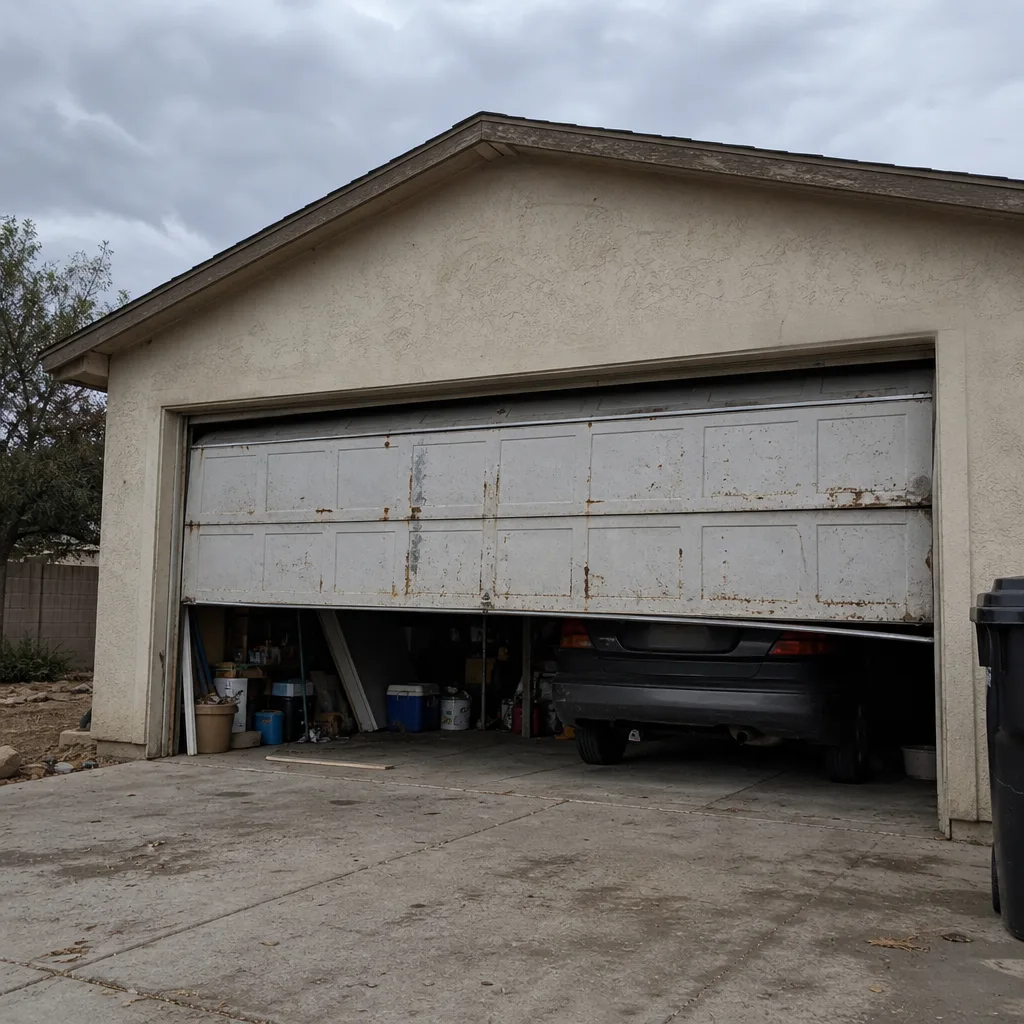 Before
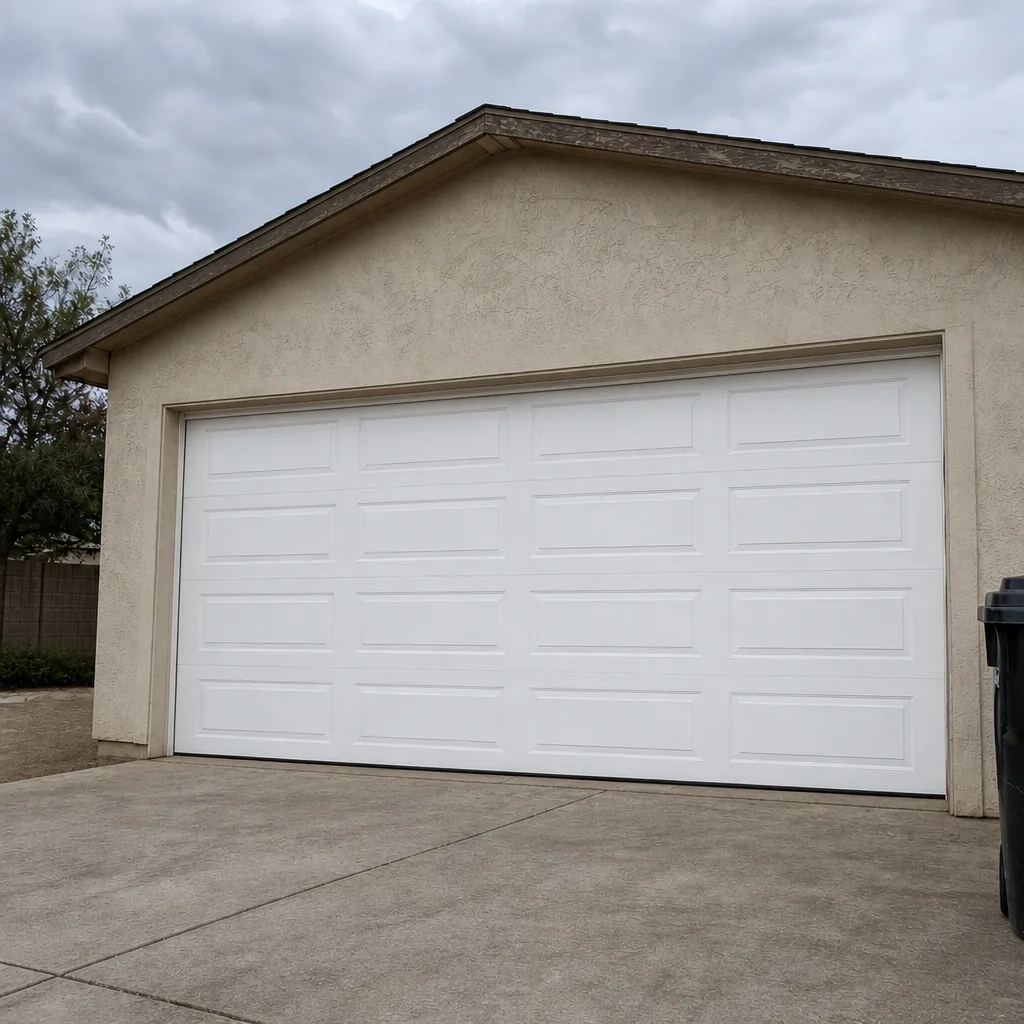 After
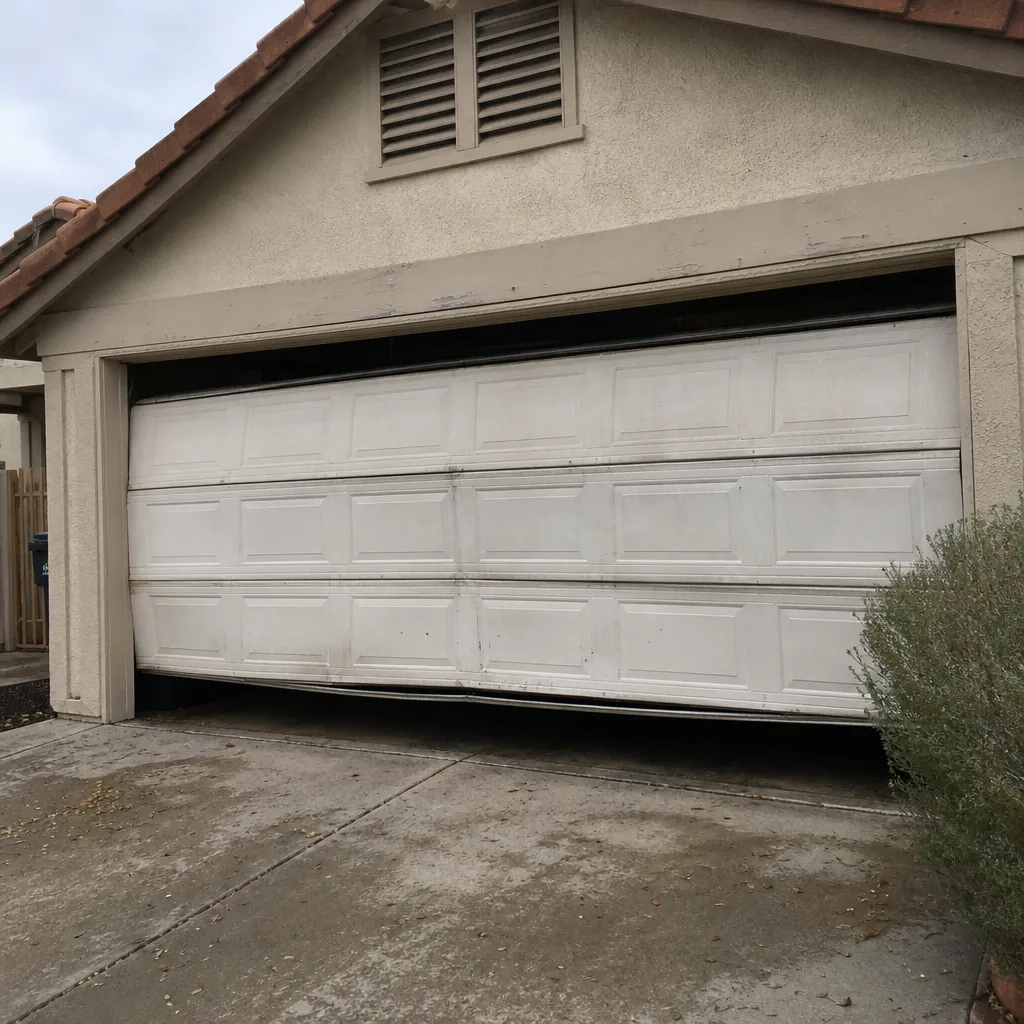 Before
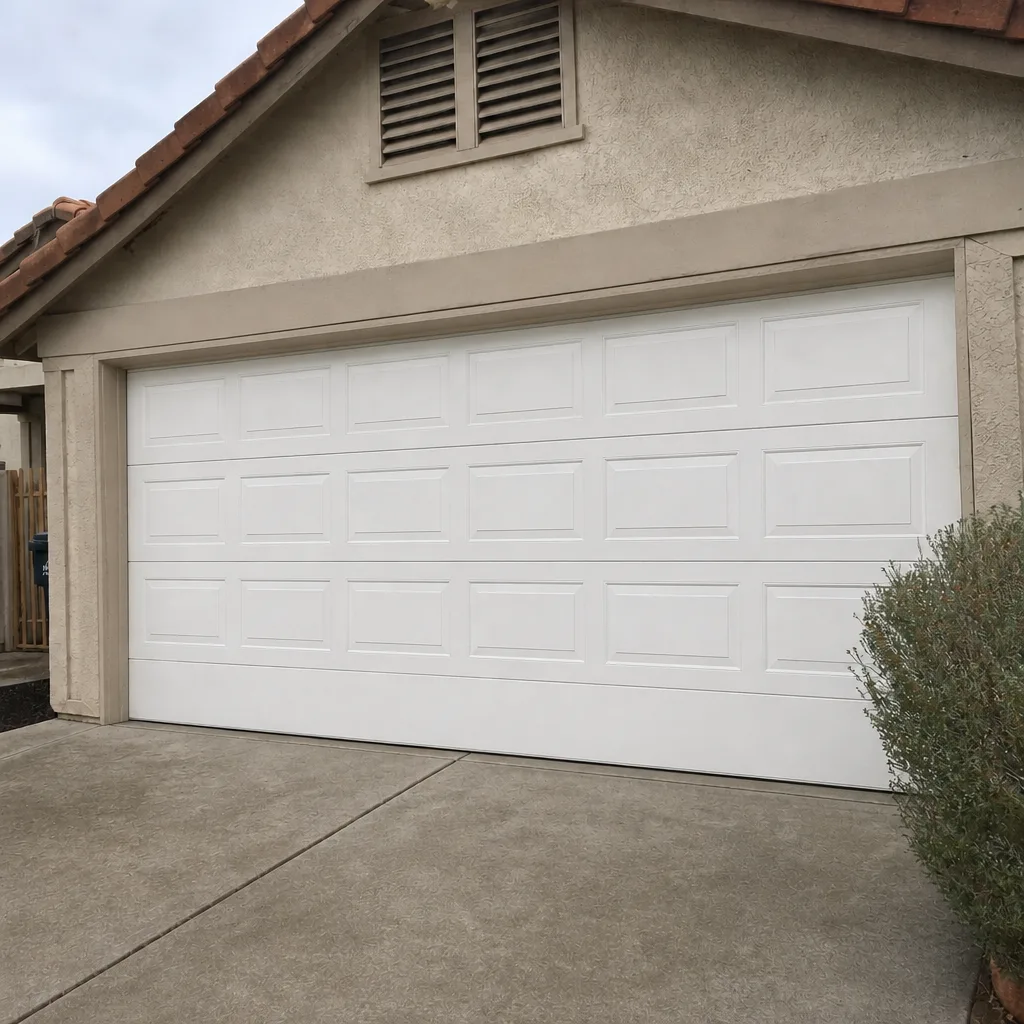 After
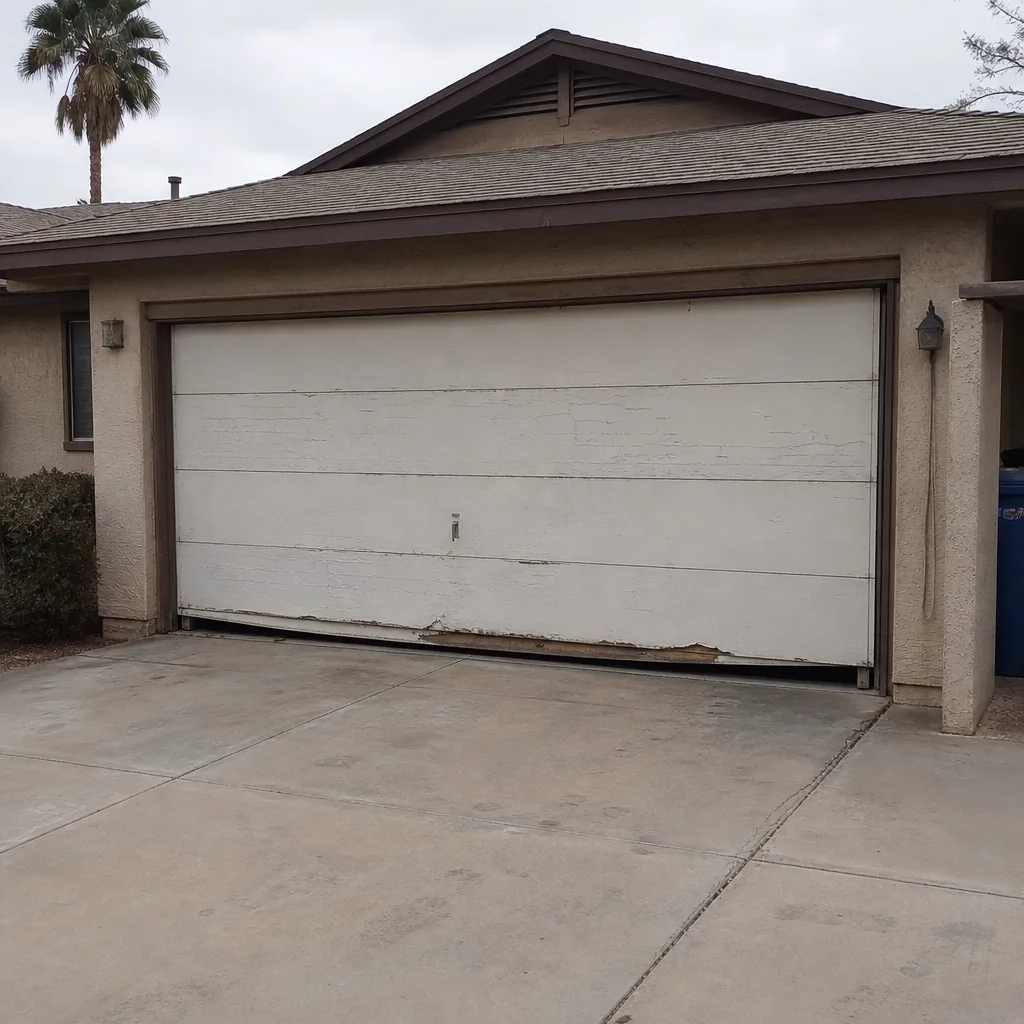 Before
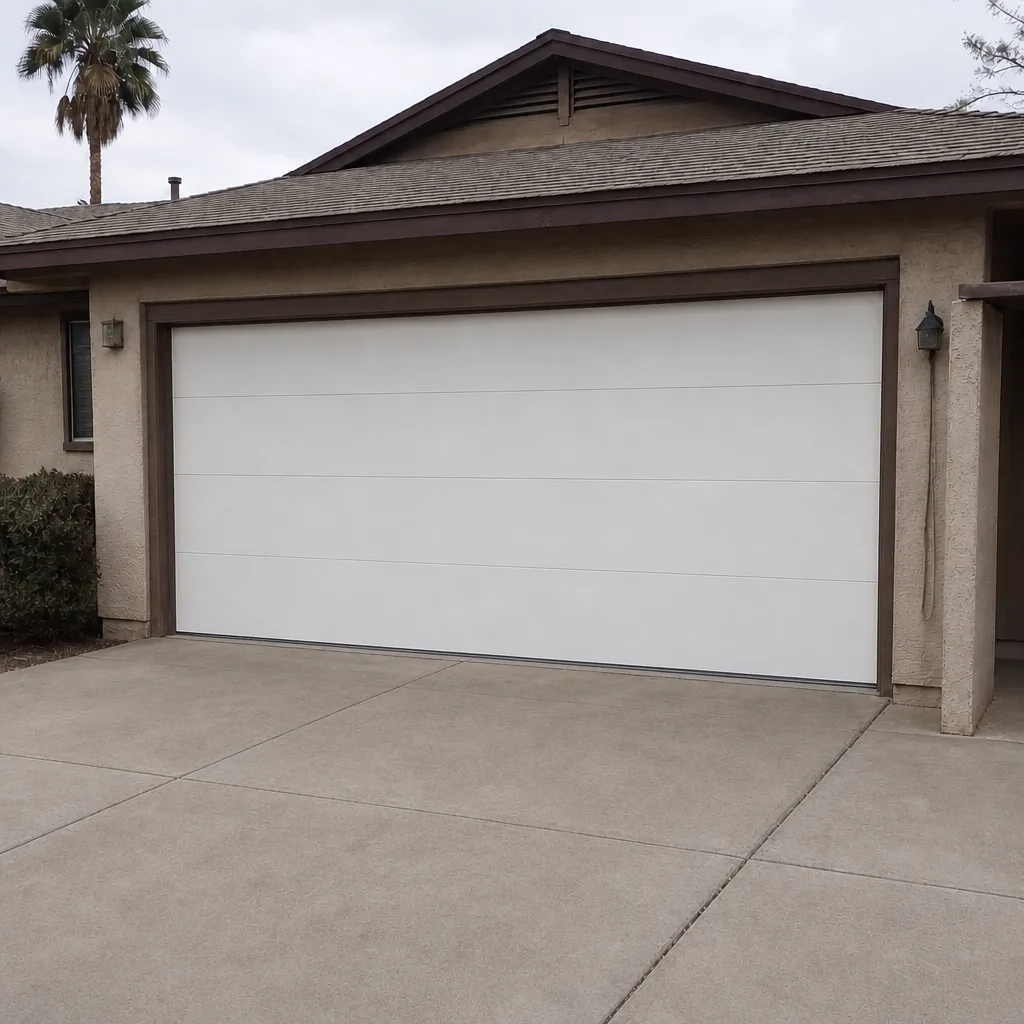 After
When to Call a Professional
Some garage door work is genuinely a homeowner task. Reading a warranty, comparing model numbers, and asking a contractor the right questions are all things you can do yourself. But when a spring, cable, or opener component fails, the right move is a call to a professional. High-tension springs and cables can cause serious injury if handled without the right tools and training, and electrical work on openers should be done by someone who has been trained on the system. The same is true for installation; proper panel alignment, spring tension, and safety sensor setup are all work that a trained technician gets right the first time.
Firstline Garage Door Repair offers free estimates in Tucson, and our garage door repair technicians can evaluate any of the brands covered in this guide on the first visit. Call (855) 632-1096. We answer 24/7. Fast dispatch from 7am to 7pm, Sunday through Friday.
Frequently Asked Questions
There’s no single best brand, but the best choices for Tucson share three characteristics: a heavy steel gauge, a genuine factory powder-coat finish, and strong local parts availability. Clopay, Amarr, Wayne Dalton, and CHI are all commonly evaluated on those dimensions, and the specific model line matters more than the brand name on the box. Call (855) 632-1096 for a free estimate and we’ll walk through the options with you.
None is universally better; the right answer depends on the model line being quoted. On premium lines, all three offer similar steel gauge, insulation, and powder-coat options. On builder lines, all three can use thinner steel and lighter hardware. Ask each contractor for the exact model number and the warranty documents before you compare prices. Call (855) 632-1096 for a free estimate.
Yes, it matters for parts sourcing and warranty coverage, but not in the way most homeowners expect. Our technicians work on eight of the most widely installed residential brands, so the brand on your door doesn’t limit what we can diagnose or repair. What matters is whether the parts for your specific model are available locally. Call (855) 632-1096 and we’ll tell you what we can source for your door.
Ask for the model number and look it up on the manufacturer’s site, or ask the original installer if you have that information. Builder-grade models typically use lighter steel gauge, thinner insulation, and lighter hardware. If you’re buying a new door, ask the contractor to confirm which tier is being quoted, in writing.
Our technicians are trained on eight of the most widely installed residential garage door and opener brands: LiftMaster, Chamberlain, Genie, Clopay, Amarr, Wayne Dalton, Craftsman, and Raynor. We handle repair, opener repair, and installation for homeowners across Tucson. Call (855) 632-1096 for a free estimate.
There’s no single figure that’s accurate across all brands, models, and installation requirements, so we don’t quote ranges without seeing the door and the space first. What we do guarantee is a free measure and a written estimate before any work begins, so the price you agree to is the price you pay. Call (855) 632-1096 to schedule a free estimate.
The Bottom Line
Choosing a garage door brand for your Tucson home comes down to a few things that brand marketing doesn’t lead with: steel gauge, powder-coat quality, parts availability, and a warranty your local contractor can actually service. National popularity is a signal about distribution, not quality. If you walk into any quote with the model number, the gauge, the finish warranty, and the parts lead time in hand, you’ll be evaluating brands the way a specialist does. When you need a free measure, a repair evaluation, or an honest answer about whether your current door needs replacing, Firstline Garage Door Repair is here. Call (855) 632-1096. We answer 24/7.
Written by the team at Firstline Garage Door Repair.