
Last updated November 15, 2026
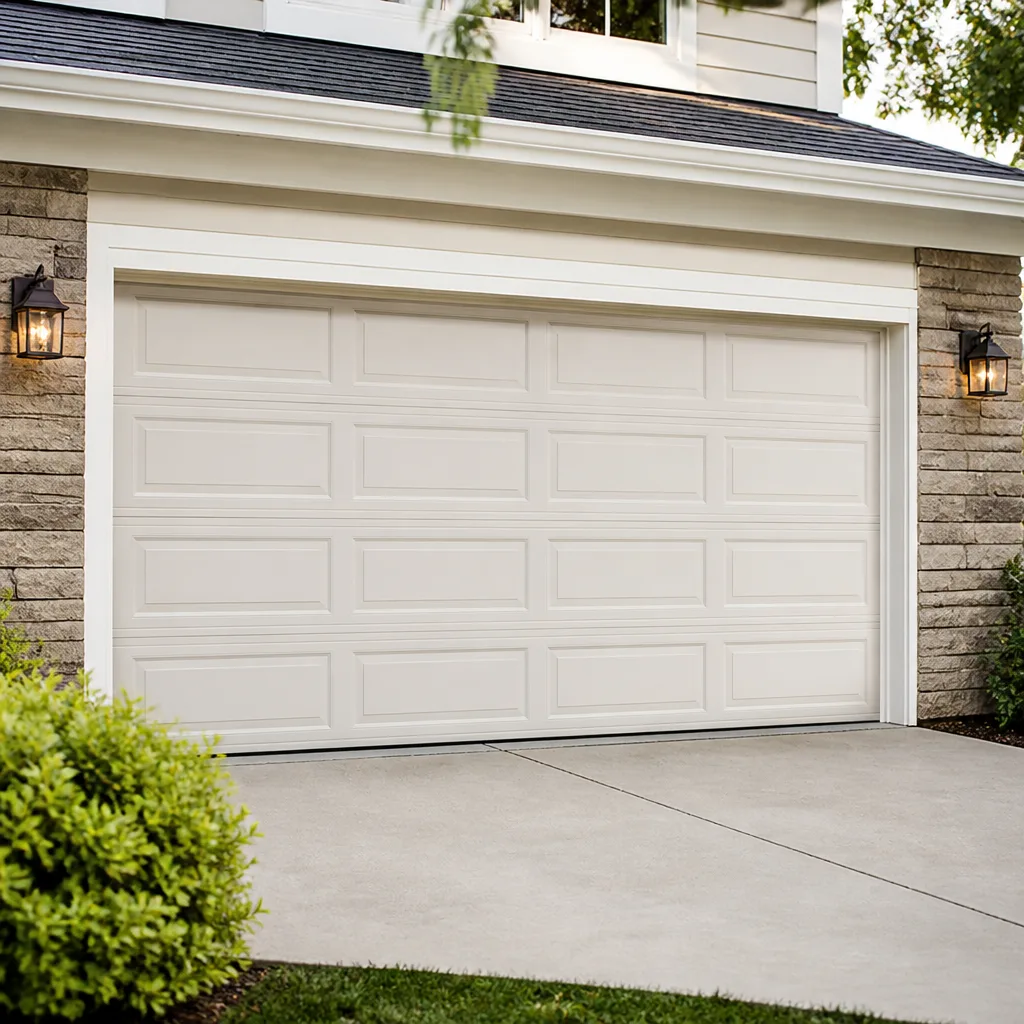 Raised-panel steel
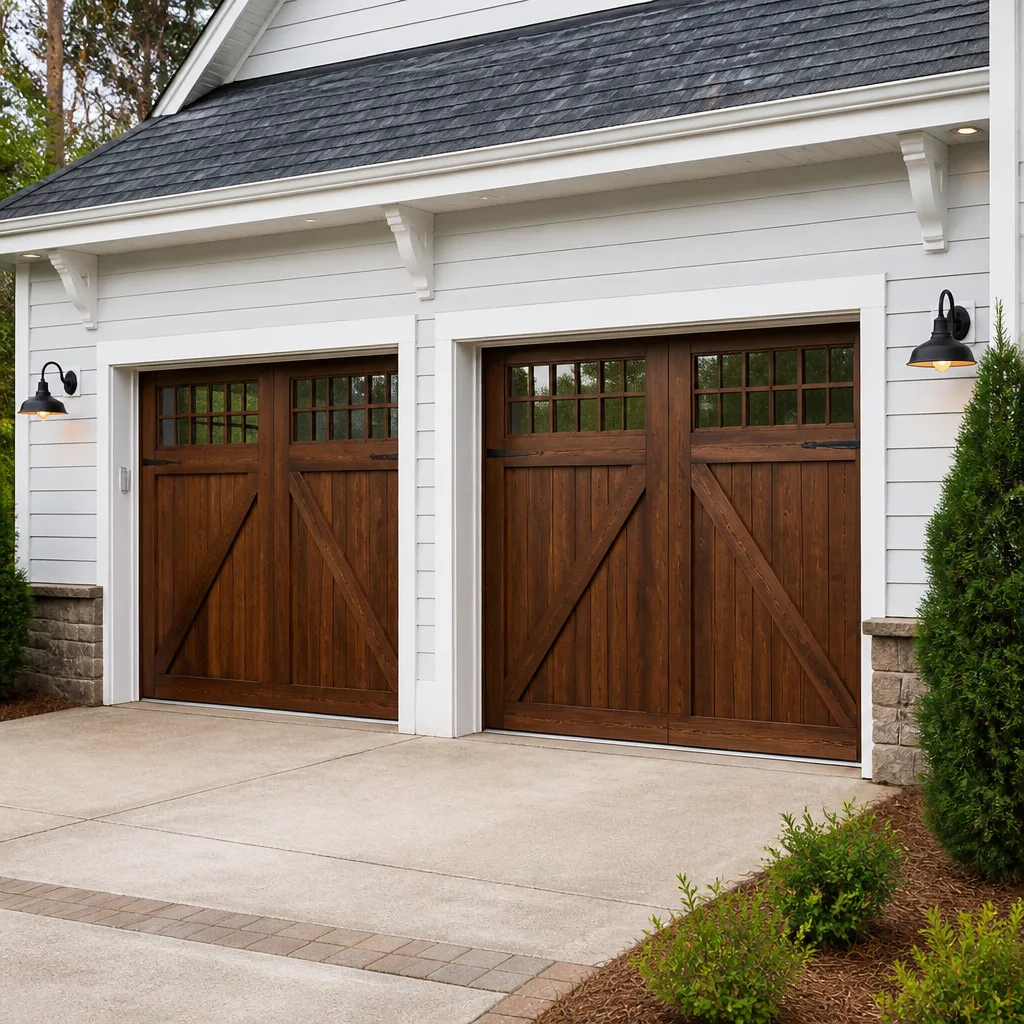 Carriage house
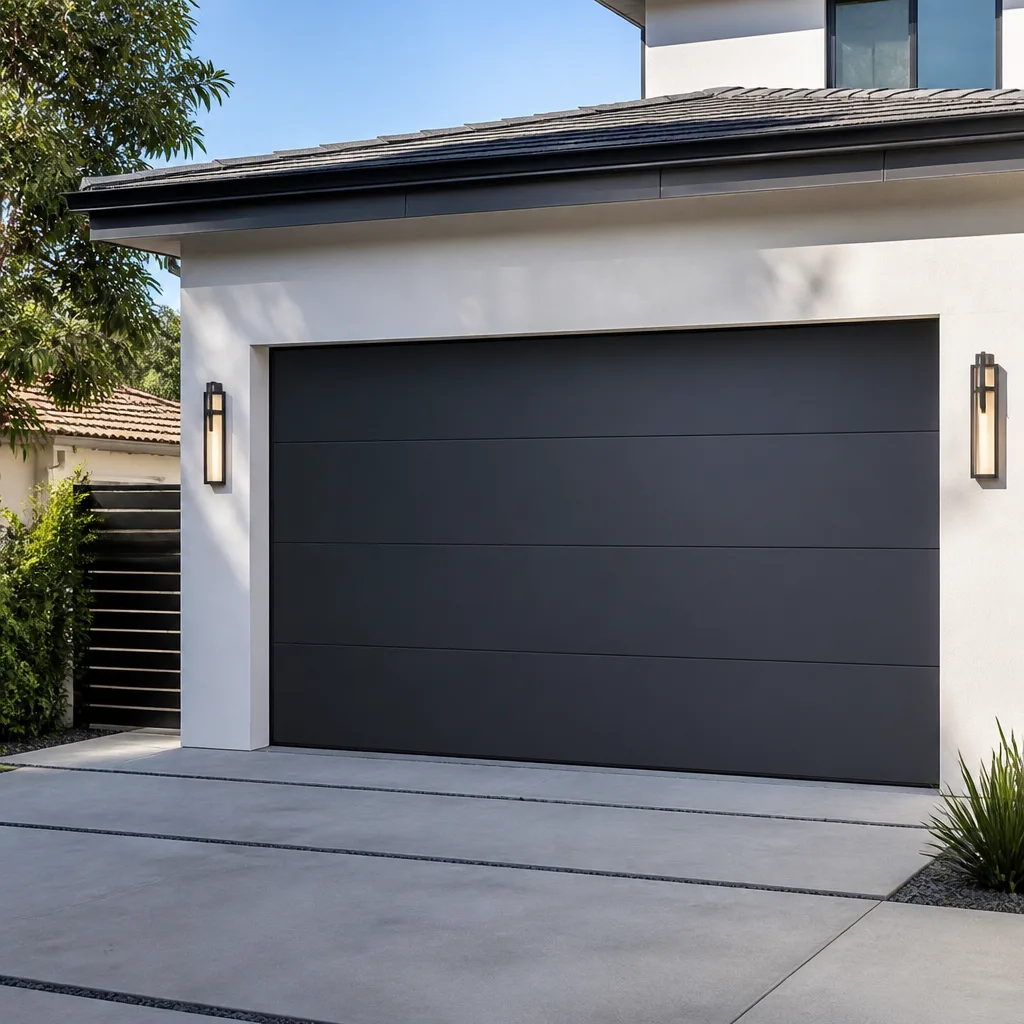 Modern flush
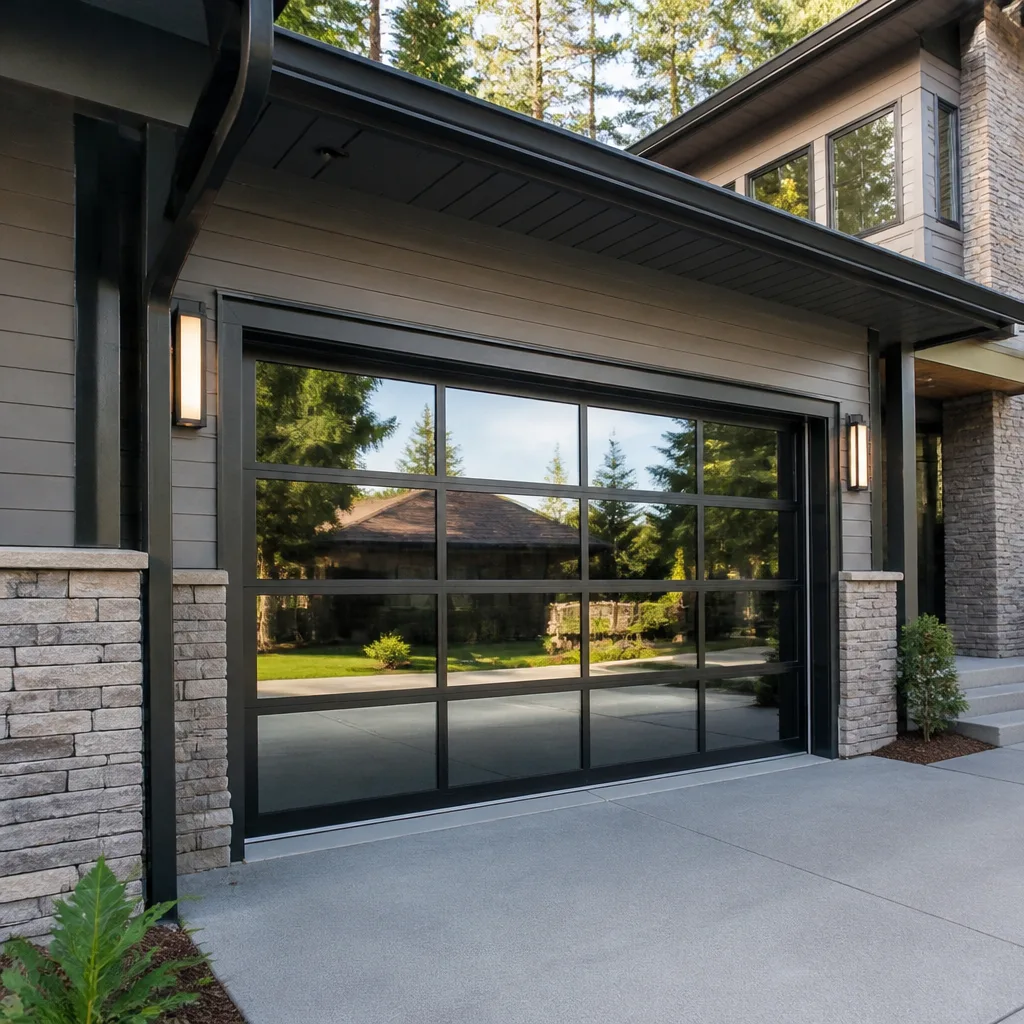 Full-view glass
 LiftMaster openers
 Chamberlain openers
Full 25-point door and opener safety check with every visit - springs, cables, rollers, tracks, and your LiftMaster or Chamberlain opener included
You get a price before we start. It does not change when the pro arrives.
Get your free estimateDIY vs Professional Garage Door: The Tucson Homeowner’s Decision Guide
Most DIY vs. professional garage door articles turn the decision into a skills test: are you handy enough? That’s the wrong question. The right question is what happens if the task goes wrong. A misadjusted photo eye leaves a door that won’t close – annoying, fixable. A torsion spring that lets go while you’re standing under it is a different category of problem entirely. The task, not your confidence level, should decide. This guide separates the jobs that are genuinely homeowner-appropriate from the ones that carry risk you can’t manage with care alone, explains how Tucson’s heat changes the math, and covers the middle path most guides skip.
Quick Answer
Most garage door maintenance is safe for a capable homeowner: lubricating moving parts, tightening loose brackets, cleaning and realigning photo eyes, replacing batteries and keypad codes, and visually inspecting rollers and cables. Anything involving torsion springs, extension springs, or cable tension is not a DIY job at any skill level – and here in Tucson, doing that work inside a 110°F garage adds heat stress on top of the mechanical danger. When in doubt, call a professional. Firstline Garage Door Repair offers free estimates in Tucson at (855) 632-1096.
Styles & brands we work with
- Raised-panel steel
- Carriage house
- Modern flush
- Full-view glass
- LiftMaster openers
- Chamberlain openers
Table of Contents
- The Real Question: Risk, Not Skill
- What a Capable Homeowner Can Safely Handle
- What Creates Genuine Injury Risk Regardless of Skill
- Why Tucson Heat Changes the DIY Equation
- The Real Cost Comparison (Including Tools and Time)
- Warranty Implications on Tucson-Prevalent Brands
- The Middle Path: Homeowner-Prepped, Pro-Finished
- How to Decide in Five Minutes
The Real Question: Risk, Not Skill
Garage door spring replacement sends roughly 20,000 Americans to emergency rooms each year. That figure isn’t an argument against ever touching your door. It’s an argument for understanding which tasks have asymmetric injury risk – where a small mistake costs a finger, not a morning.
Think about how a garage door is engineered. It’s the largest moving object in most homes, and it balances hundreds of pounds against spring tension that is stored energy, constantly waiting to release. The door itself is heavy; the springs are under load even when the door is down. There’s no “safe mode.” Cut tension incorrectly and the release is instant.
Skill doesn’t change this. A plumber, an electrician, or an experienced woodworker can be completely proficient with tools and still have no business unwinding a torsion spring. The mechanics aren’t intuitive unless you’ve been trained on them and have the right winding bars and the knowledge of how to set them. That’s why the industry treats springs as a specialist task, and why we do too.
So the framing shifts: instead of asking “Can I do this myself?”, ask “If I get this wrong, what’s the worst realistic outcome?” For door maintenance, the worst is usually a door that won’t open. For springs and cables, the worst is an injury. That’s the line we’ll draw through the rest of this guide.
What a Capable Homeowner Can Safely Handle
A lot of garage door work is ordinary maintenance, and it’s entirely reasonable to do yourself. These tasks carry no stored-energy risk and no meaningful property damage risk when you follow the manufacturer’s instructions.
- Lubrication. A few drops of garage door lubricant (not WD-40, which is a solvent) on hinges, rollers, and the torsion tube keeps the door quiet and moving smoothly. Do this a couple of times a year.
- Tightening loose brackets and bolts. Vibration loosens the bolts that hold the track and opener rail. Snug them with a socket wrench – hand-tight, not cranked.
- Cleaning and aligning photo eyes. The small sensors near the floor are the most common cause of a door that won’t close. Wipe the lenses and check that the two eyes point at each other. A piece of dirt or a bumped bracket is usually all it takes.
- Testing the safety reverse. Place a roll of paper towels under the closing door; it should reverse on contact. If it doesn’t, that needs professional attention.
- Replacing opener batteries and keypad codes. Remote and keypad battery swaps are straightforward, and reprogramming codes is documented in your opener manual.
- Visual inspection. Look at the cables for fraying, the springs for gaps, and the rollers for flat spots. If you spot something, you can call a pro before it fails.
We work on all eight major brands – LiftMaster, Chamberlain, Genie, Clopay, Amarr, Wayne Dalton, Craftsman, and Raynor – and honestly, most of these maintenance tasks are things we’re happy to see homeowners doing. The system lasts longer when it’s looked after. The line we’re drawing is at anything that involves releasing or adjusting the tension that holds the door up.
What Creates Genuine Injury Risk Regardless of Skill
Some garage door tasks are dangerous enough that training and the right tools are non-negotiable. A professional who’s done hundreds of these jobs still approaches them carefully. A homeowner doing one for the first time has no margin for error.
- Torsion spring replacement or adjustment. The torsion spring sits on the shaft above the door and stores the energy that lifts hundreds of pounds. Winding or unwinding it requires winding bars and a precise understanding of how the assembly is tensioned. If a bar slips or a set screw fails, the spring releases forcefully. This is the task behind most serious garage door injuries.
- Extension spring work. The older side-mounted springs carry the same stored energy on a different mechanism. They have a known failure mode where components can become projectiles when the spring breaks. Any work on them is a professional task.
- Cable replacement or adjustment. The cables are what transfer the spring tension to the door. They’re under load any time the spring is tensioned. A cable that snaps or comes loose during handling can cut or strike. Never touch a cable without releasing tension first, and releasing tension is itself a spring job.
- Track straightening beyond minor adjustment. A door that’s come off its track – or a bent track holding a door up – can drop or bind suddenly. If the track is bent, stop and call.
- Door panel replacement with the door raised. Swapping a damaged panel on an installed door means working under a suspended load. Panels are heavy, awkward, and there’s no safe way to hold one in place alone.
If your door is jammed, making a loud crack, sitting crooked, or a spring has visibly broken with a gap in the coil, that’s not a maintenance issue. Please don’t try to release or force anything. Call us and we’ll take it from there. Every hour spent inside a jammed system is one where the tension could release unexpectedly.
Why Tucson Heat Changes the DIY Equation
Working on a garage door in a Tucson garage in the summer is a compounded risk. The inside of an unshaded garage can run significantly hotter than the outside temperature, and when the thermometer hits 110°F outside, the garage becomes a heat exposure problem on top of the mechanical one.
Heat stress affects judgment, grip strength, and reaction time. The tasks that most demand care – spring and cable work – are the ones where heat makes you least able to respond correctly if something goes wrong. Dizziness, slippery hands, and a shortened attention span are a bad combination when you’re holding a winding bar on a charged spring.
Timing matters too. In the cooler early morning hours, the metal components are more comfortable to handle. In the middle of the afternoon, everything in the garage is hot to the touch, and prolonged exertion in there is a genuine health risk. If you’re going to do any maintenance work in the summer, aim for the coolest part of the day and keep water nearby.
The heat also wears on the door itself. Springs, cables, and even the door panel materials expand and contract through the seasonal swings, and the dry desert air affects lubricants faster than in humid climates. That means a Tucson garage door needs lubrication more often than a manufacturer’s generic maintenance schedule suggests – one of the small local realities of living in the desert. It also means the components reach the point where they need professional attention a little sooner. Doing your safe maintenance tasks on a regular schedule helps keep the door in shape through the hot months.
The Real Cost Comparison (Including Tools and Time)
The honest DIY cost comparison isn’t the parts price. It’s the parts price plus tools plus hours plus the cost of what happens if the job doesn’t work. Here’s how the two paths line up for common tasks.
Safe maintenance tasks
A homeowner can handle these with a small tool kit and a tube of door lubricant. A professional visit for routine maintenance is also reasonable if you don’t want to bother. Both paths are short.
- Lubrication and tightening. An hour or two of your time, minimal supplies. No reason to hire out.
- Photo eye cleaning and realignment. A few minutes. If the sensor is faulty rather than dirty, professional repair is a reasonable next step.
- Battery and remote code changes. The cost of a battery.
Spring and cable work
This is where the numbers flip. A torsion spring replacement done professionally is typically a few hundred dollars per spring, with matched pairs usually replaced together. A DIY attempt requires buying winding bars, correctly matched springs, and any other parts – then spending several hours on a task that could go wrong at the very end.
- Tool cost. Winding bars alone are modest, but the wider issue is that if something goes wrong, you’re not just out the parts. You’re calling a professional anyway, sometimes with additional damage to repair.
- Time cost. A spring job completed correctly takes a trained technician a fraction of the time it takes to research, source parts, and try it yourself.
- Risk cost. An injury has a cost that doesn’t fit in a table: medical care, lost work, the recovery period. It’s the reason we don’t recommend the task regardless of the parts price.
For anything on that dangerous list, the right call is to have a professional do it. The price is set in a free written estimate before any work begins, so you know the number going in. For repair on the task you’re weighing, see how we handle garage door repair; if it’s the operator rather than the door, we cover garage door opener repair the same way. Both come with a free estimate and no surprise costs at the end.
Warranty Implications on Tucson-Prevalent Brands
One of the least discussed costs of a botched DIY repair is what it does to your warranty. Garage door panels typically come with a manufacturer’s warranty on finish and structural integrity. If you or a previous homeowner have made modifications – adjusted spring tension without the correct setup, replaced a component with a part that wasn’t specified for the door, or driven fasteners through a panel in the wrong place – the manufacturer can decline a claim on that component.
The brands you’re likely to find on Tucson homes each carry their own warranty terms, and reading them before you reach for a tool is worth the fifteen minutes. Clopay and Amarr doors are widely installed here, and both have manufacturer warranties that require professional installation or repair on structural and spring components. Wayne Dalton doors are common on builder-grade homes, and while their warranty structures vary by product line, the same rule applies: work on the spring and hardware system is expected to be done by a professional, and the coverage can be affected if it isn’t.
Opener brands have their own considerations. LiftMaster, Chamberlain, and Genie openers have warranties that generally cover the unit and its operation when it’s installed and serviced according to the manufacturer’s specification. A major opener repair done poorly can void the warranty on the affected components. Craftsman openers, which are prevalent in older Tucson homes, also fall under manufacturer warranty terms.
The safe rule across all the brands we work on: anything that involves releasing or re-tensioning the spring system should be done professionally to keep the manufacturer’s warranty intact. That’s true whether your door is a Clopay or Amarr, or an older Wayne Dalton that came with the home. If you’re unsure whether a repair will affect your coverage, the door’s paperwork and a call to the manufacturer will tell you more than any guide.
The Middle Path: Homeowner-Prepped, Pro-Finished
Most DIY vs. pro guides treat the two as opposites. They don’t have to be. A smart middle path exists where the homeowner does the parts that carry no risk and a professional handles the parts that do.
Here’s what a homeowner-prepped, pro-finished job looks like in practice:
- Inspect the door yourself in advance. Walk along the door and look for sagging, uneven gaps, frayed cables, or broken springs. Note anything that seems off. This information saves time when a technician arrives.
- Clear the garage and driveway. Most installers work faster and safer when they have space. Pull the car out, move anything leaning against the walls near the door.
- Gather the paperwork. Have the door’s brand and model information ready. For a Clopay, Amarr, Wayne Dalton, or Raynor door, the label or the original paperwork tells the technician what they’re working with and helps with parts matching.
- Do the safe maintenance yourself. Lubrication, tightening, and photo eye cleaning are things you can complete before a professional visit, or as part of the annual care routine.
- Let the professional handle the spring, cable, or panel work. This is where the risk concentrates, and where the training and tools pay off.
This approach is especially useful for repair customers who want to keep costs low while making sure the critical work is done right. A repair-first mindset – fixing what’s already there rather than replacing it – often fits this model well. You’re not paying for the whole job; you’re paying for the part that shouldn’t be a DIY task.
It also fits the reality of owning a home in Tucson. Garage doors here take a lot of use, and the seasonal heat is hard on moving parts. Doing the small maintenance tasks consistently means the expensive repairs come less often, and the professional visits are for actual issues rather than neglected ones.
How to Decide in Five Minutes
Run through this set of questions when you’re facing a garage door issue. If you answer “yes” to any of the risk questions, call a professional.
- Does the task involve a spring, cable, or releasing tension? If yes, professional. No exceptions.
- Is the door stuck, crooked, or visibly damaged? If yes, don’t force it. Call a professional.
- Can you do the work without lifting anything heavy or working under a suspended door? If yes, it may be a safe DIY task.
- Is the task just routine maintenance – lubricating, tightening, cleaning, checking? If yes, it’s yours to do.
- Are you uncertain about your brand’s warranty terms? If yes, call to check before attempting.
- Is it a hot summer afternoon? If yes, even safe tasks should wait for cooler hours. Heat stress is real.
If you’re on the fence after this list, err on the side of a call. A conversation costs nothing and could save more than you’d expect. You can reach us at (855) 632-1096, and our number for the garage door service across Tucson is the same – we cover repair, opener repair, and installation under one roof.
Common Mistakes to Avoid
- Trying a torsion spring job alone because you watched a video. Videos don’t show the feel of a charged spring or the correct way to set a winding bar. The mechanics are learned, not watched.
- Using the wrong lubricant. WD-40 and general-purpose oils attract dust and break down faster in desert heat. Use a proper garage door lubricant and apply sparingly.
- Adjusting the opener force settings to force a struggling door. This can stress the opener and door and hides a mechanical problem. Fix the door first.
- Doing spring work in the middle of a Tucson summer afternoon. Heat fatigue and grip loss are a genuine safety concern. If it has to happen, work with a professional who can time it safely.
- Forgetting to check the brand and model before buying parts. Panel and opener parts aren’t interchangeable across brands. Bring the label with you when you contact anyone about parts.
- Ignoring a bent track or a visibly frayed cable. These are pre-failure warnings. They don’t usually fix themselves, and they get more expensive to fix if the door fails completely.
- Assuming a “quick internet search” tells you the right fix. Garage doors have a specific brand-level model line, and the correct procedure can differ from brand to brand. When in doubt, call.
See the difference
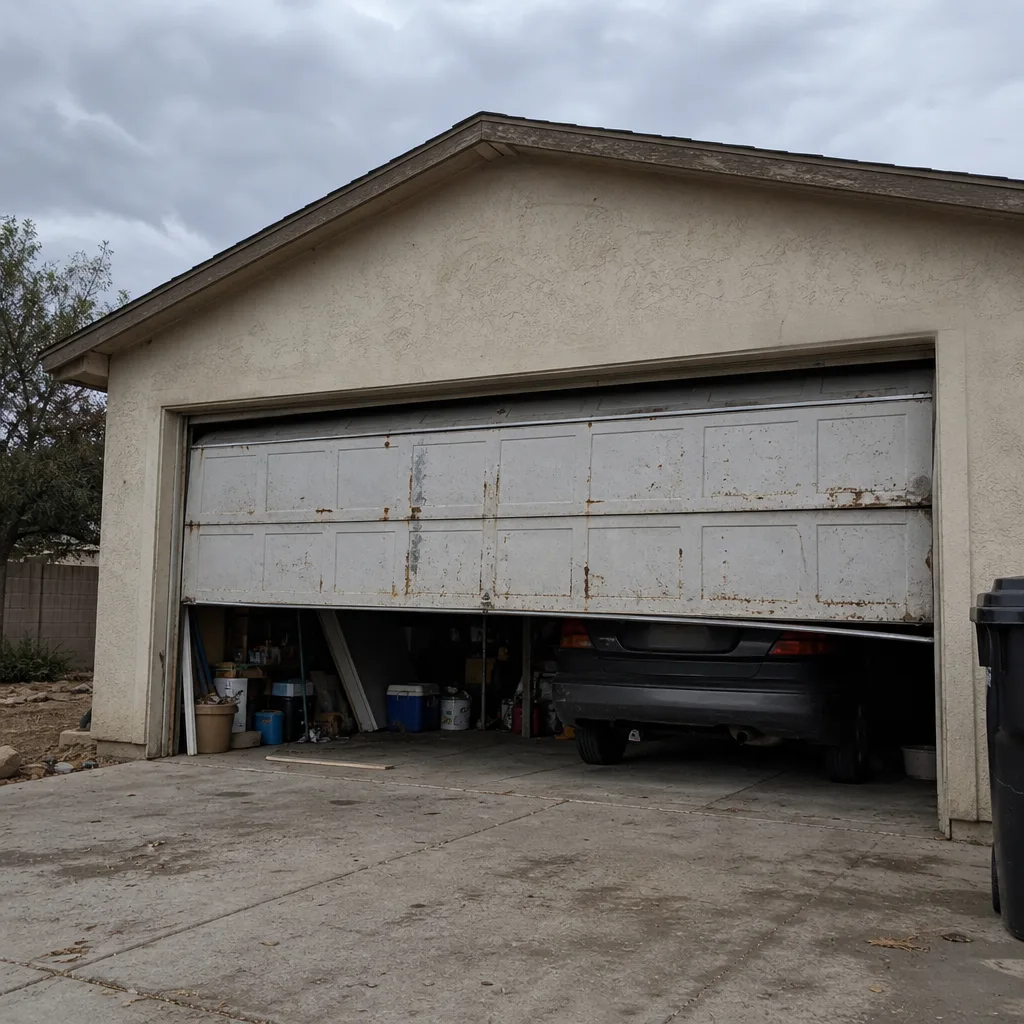 Before
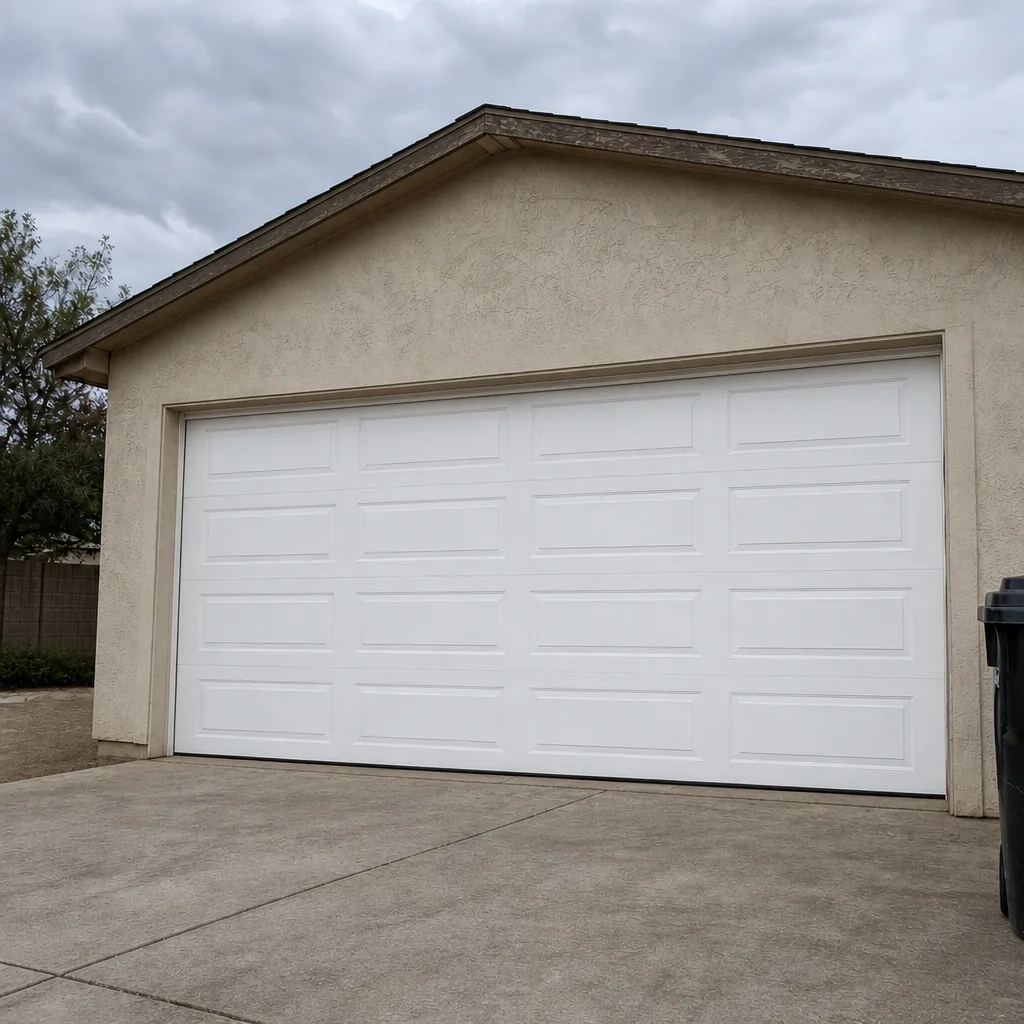 After
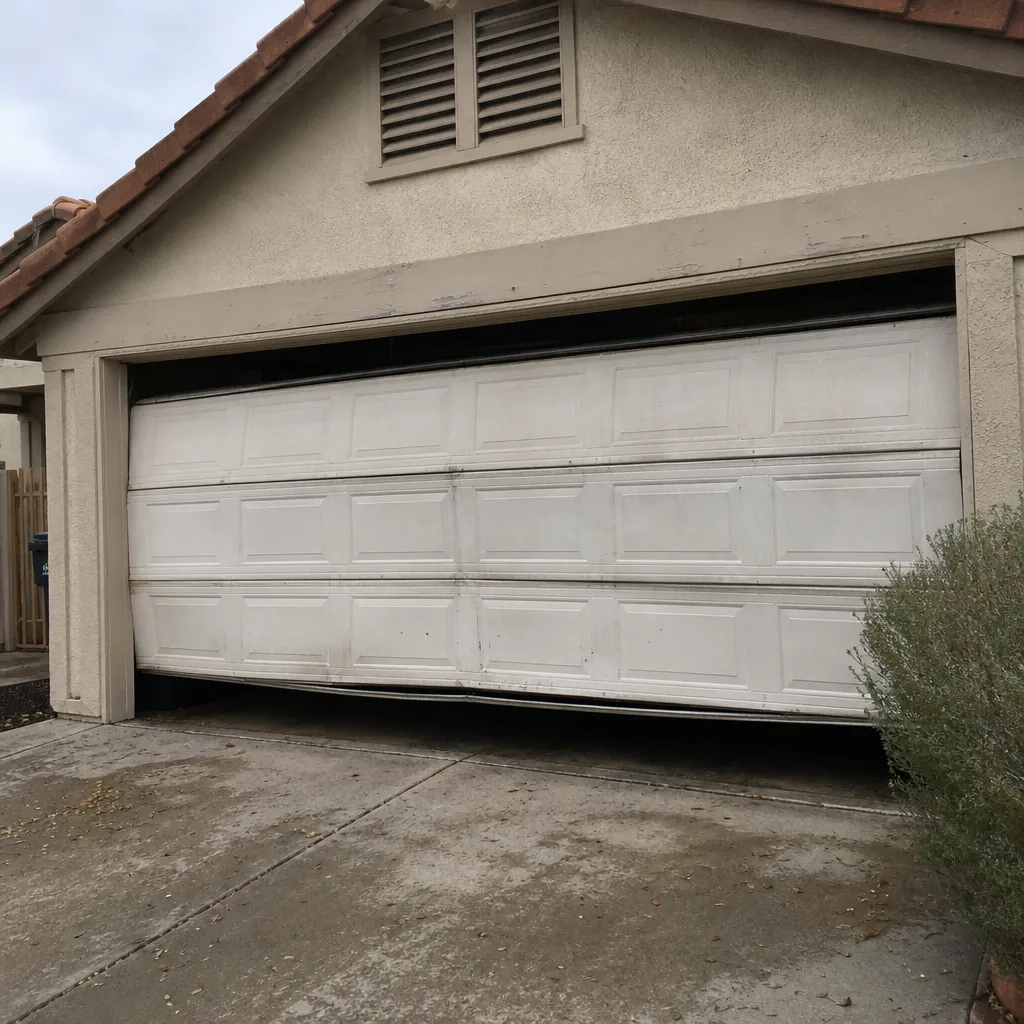 Before
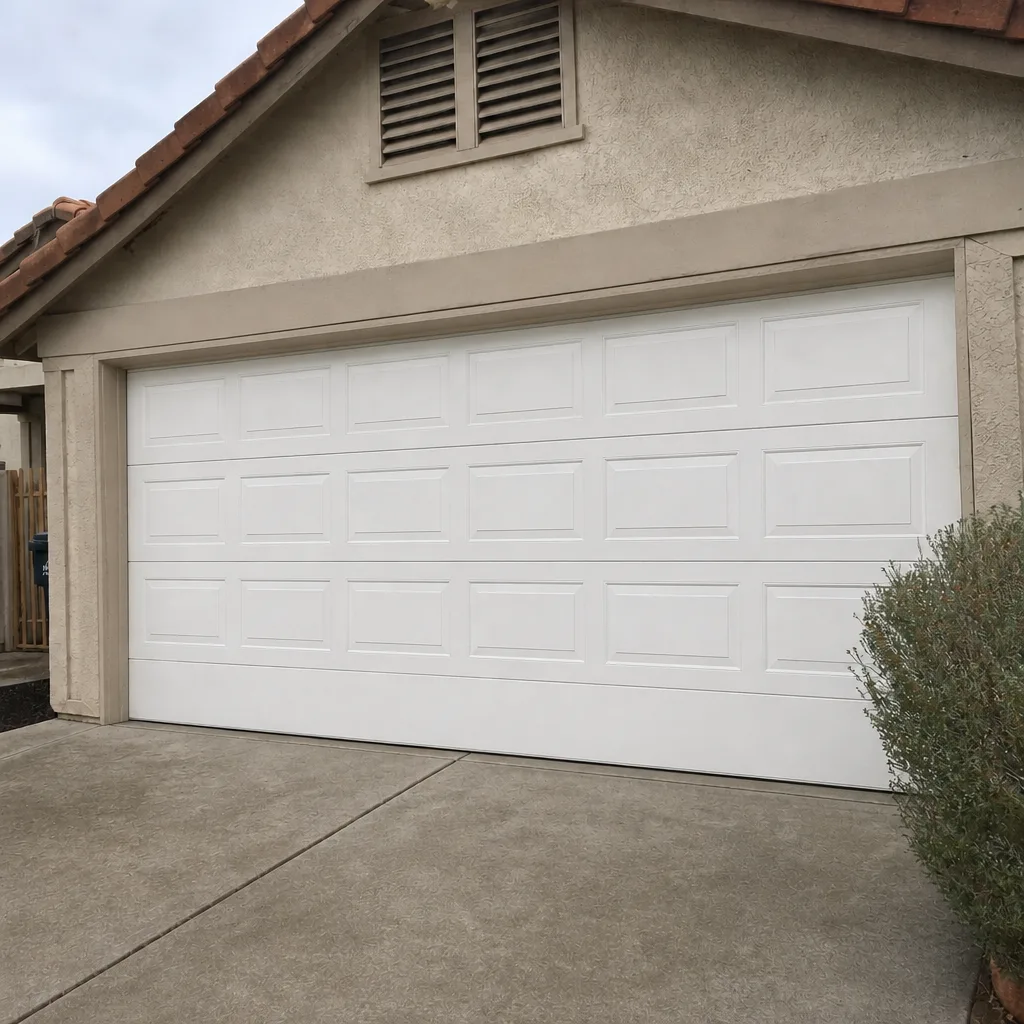 After
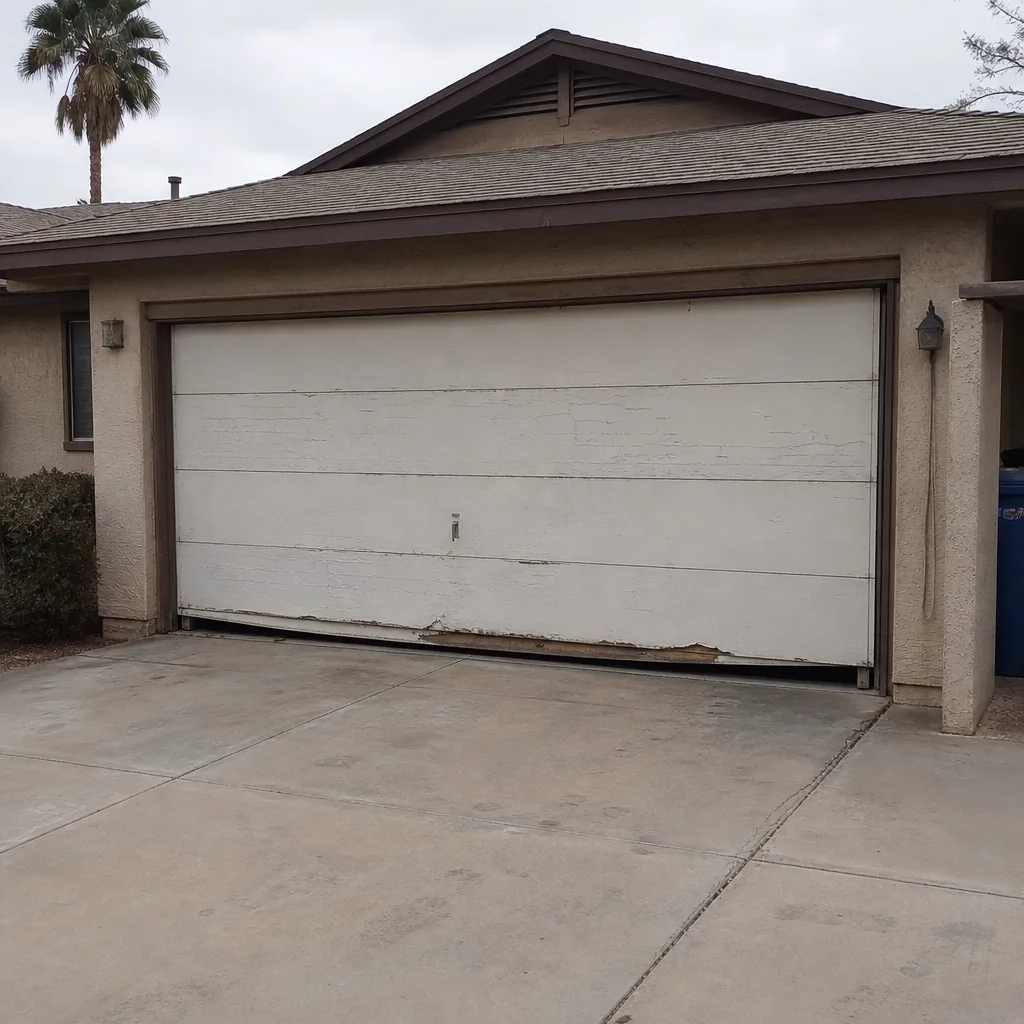 Before
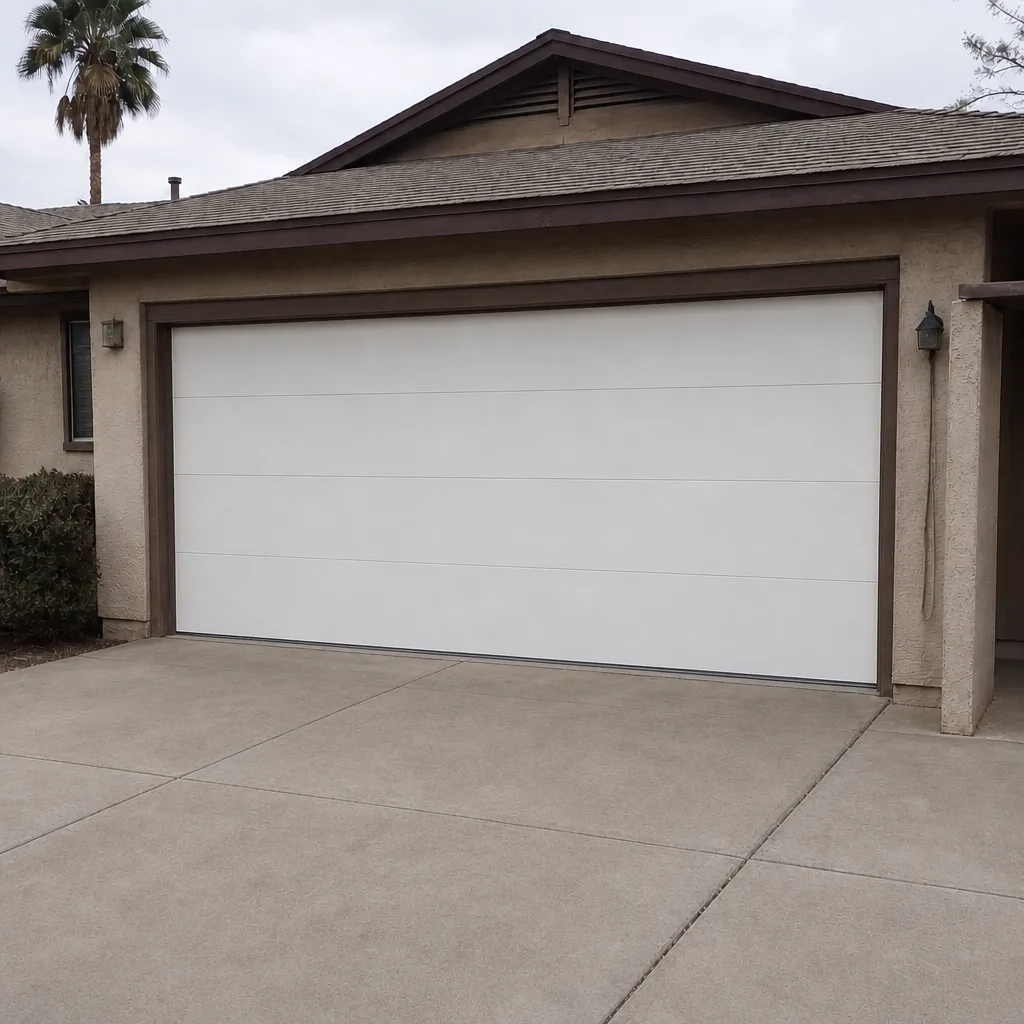 After
When to Call a Professional
Call a professional the moment the task involves a spring, a cable, a track that’s bent, or a door panel that needs replacing. Call when the door is stuck, sitting crooked, or making a new loud noise. Call if the opener won’t respond to remotes after fresh batteries and code reprogramming. Call if any part of the door feels loose or the door is difficult to lift manually when disconnected. And call if you’re simply not sure what’s wrong – a diagnosis is part of a free estimate.
Firstline Garage Door Repair offers free estimates in Tucson – call (855) 632-1096. Our technicians have up to 15 years of experience across the eight major brands we work on, and we’re happy to look at your door and tell you what it needs before you make any decisions.
Frequently Asked Questions
No. Garage door torsion and extension springs are under high tension and cause tens of thousands of injuries every year. In Tucson, the summer heat adds a further risk of heat stress and grip loss while working on charged components. This is a job for a trained professional with the right tools, not a homeowner.
Spring replacement typically runs a few hundred dollars per spring, with matched pairs usually replaced together. Opener repairs and other parts vary by issue. Every job is priced with a free written estimate before work starts, so the number you agree to is the number you pay. Call (855) 632-1096 for details on your specific repair.
Yes. Lubricating moving parts, tightening loose brackets, cleaning and realigning photo eyes, replacing remote batteries, and doing visual inspections are all safe DIY tasks. These tasks don’t involve removing or adjusting spring tension. Anything involving springs, cables, or a jammed door needs a professional.
It can. Manufacturer warranties on brands like Clopay, Amarr, Wayne Dalton, and Raynor generally require spring and structural repairs to be performed by a professional. If the work is done improperly, the manufacturer may decline a claim on the affected components. Check your door’s specific warranty terms before attempting any repair.
Garages in Tucson can run hotter than the outside temperature during the summer, reaching levels that increase heat stress and reduce grip and reaction time. Errors on a spring or cable job multiply when you’re overheated. Do safe maintenance in cooler hours and leave the dangerous work to a professional.
Yes, when the schedule allows. We answer 24/7. Fast dispatch from 7am to 7pm, Sunday through Friday. If you call outside those dispatch hours, we’ll book you into the next opening. An hour of delay is far better than a jammed door giving way unexpectedly, so don’t try to force it open.
The Bottom Line
The right question when you’re facing garage door work isn’t “am I handy enough?” It’s “what happens if I get this wrong?” For routine maintenance, the answer is usually a small inconvenience, and the task is yours. For springs, cables, bent tracks, and jammed doors, the answer is real injury risk that training and the right tools exist to manage. In Tucson, the heat compounds the risk, and doing the job yourself on a summer afternoon is a poor trade. Do the safe work on your schedule, and call a professional for the rest. Firstline Garage Door Repair is here for repair, opener repair, and installation across Tucson, and our estimates are free: call (855) 632-1096.
Written by the team at Firstline Garage Door Repair.